

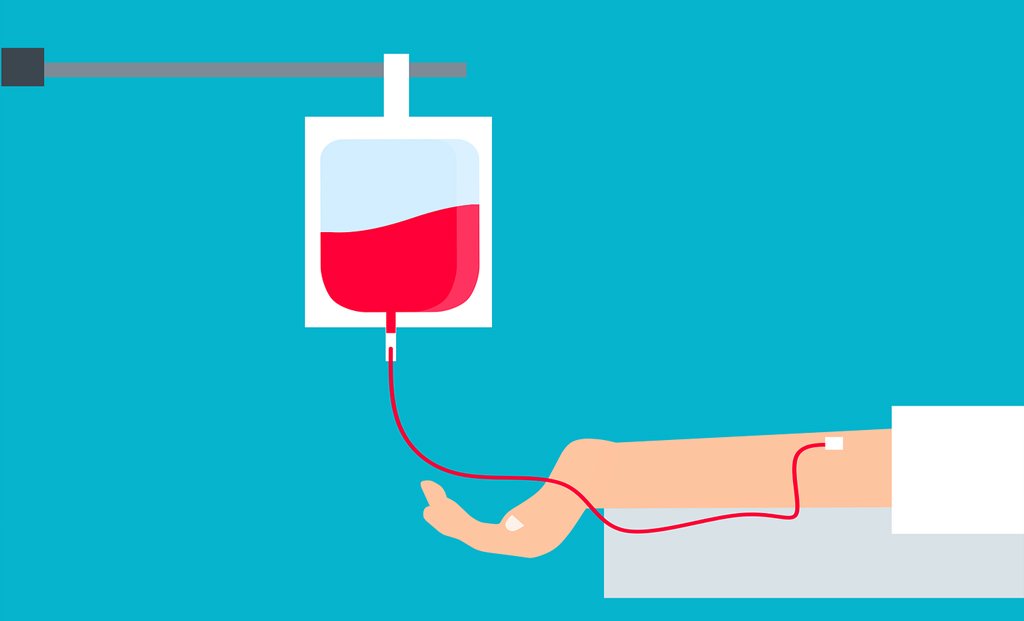
Giving blood is a selfless deed, potentially life-saving and has a massive impact on society. Yet, it’s crucial to remember a few things to ensure the safety of both the blood donors and recipients, particularly preventing the transmission of HIV/AIDS.
Blood Donation: What To Keep In Mind?
Safe blood donation is an overlooked factor in halting the spread of infectious diseases, including HIV/AIDS. By closely following the prescribed regulations and methods, the risk of passing on blood-related infections can be significantly dwindled, protecting the wellbeing of those receiving blood.
Comprehensive Screening Process
Everyone willing to donate goes through a comprehensive screening process, which determines eligibility and assures the safety of the blood present. This includes a private interview to gather details regarding the donor’s health background, travel history, and potential risk variables for blood-related infections like HIV/AIDS.
Thorough testing is conducted on each blood donation made, to detect the existence of any infectious diseases like HIV/AIDS. These tests play a pivotal role in recognising any contaminated blood samples and stop the further infection to the patients who receive these transfusions.
Keeping the equipment used in the process sterile, and following the correct procedures during blood donation are of utmost importance in preventing HIV/AIDS. It falls on the healthcare providers to stick to strict cleanliness practices to guarantee the lowest risk of contamination and a safe experience for both donors and recipients.
Increasing awareness and educating the public about the significance of safe blood donation is essential to prevent the spread of HIV/AIDS. Sharing knowledge about the hazards linked to unsafe blood transfusions and endorsing voluntary testing for infectious diseases, it can significantly decrease the likelihood of blood-borne infections.
Fighting the stigma and prejudice against individuals with HIV/AIDS is equally important, as it often creates fear in people, discouraging them from donating blood or even seeking treatment. Using education, advocacy, and support services is the first step towards creating a more accepting and empathetic society.
Blood Donation Care Tips
It is recommended that the donors accept regular health check-ups to understand their overall health better and detect any significant health concerns, including HIV/AIDS. By constantly updating their health condition, donors can protect themselves and others from potential risks.
Cooperation with healthcare providers and blood donation centres is key to promoting safe donation practices and ensuring that the donated blood is of great quality. Through teamwork, they can form successful preventive strategies against HIV/AIDS and other infectious diseases.
The importance of safe blood donation extends beyond saving lives and plays a crucial role in preventing the spread of HIV/AIDS. It’s only when we adhere to correct screning and testing and maintain high standards of hygiene can we uphold the quality and safety of donated blood. Education, awareness, and cooperation form the backbone of creating successful blood donation programs and protecting the health of communities globally.















Leave a comment