


Heart attacks are often associated with daytime stress and activity, but many cardiac emergencies occur during the night—often when people are asleep. Nighttime heart attacks can be particularly dangerous because symptoms may go unnoticed or be ignored until it is too late. Understanding the risk factors behind these silent emergencies is crucial for timely prevention and care.
Why Do Heart Attacks Happen at Night?
During sleep, the body undergoes several physiological changes. Blood pressure, heart rate, and breathing patterns fluctuate, which can sometimes put additional strain on the heart—especially in individuals with underlying health conditions. Reduced awareness during sleep also means warning signs may not be recognised immediately.
5 Most Common Causes of Nighttime Heart Attacks
1. Obstructive Sleep Apnea (OSA)
Sleep apnea is one of the leading causes of nighttime cardiac events. This condition causes repeated pauses in breathing during sleep, reducing oxygen levels in the blood. Low oxygen can strain the heart and increase the risk of arrhythmias, high blood pressure, and heart attacks.
2. Uncontrolled High Blood Pressure
Blood pressure naturally dips at night, but in some individuals, it remains high or fluctuates abnormally. This puts extra stress on the arteries and heart, increasing the likelihood of a cardiac event during sleep.
3. Late-Night Heavy Meals
Eating heavy or fatty meals late at night can trigger acid reflux and increase heart workload. In some cases, it may also lead to a temporary spike in blood pressure and cholesterol levels, raising the risk of heart complications.
4. High Stress and Poor Sleep Quality
Chronic stress and disturbed sleep can elevate cortisol levels, disrupt heart rhythm, and increase inflammation. Poor sleep quality has been directly linked to a higher risk of cardiovascular diseases, including heart attacks.
5. Underlying Heart Conditions
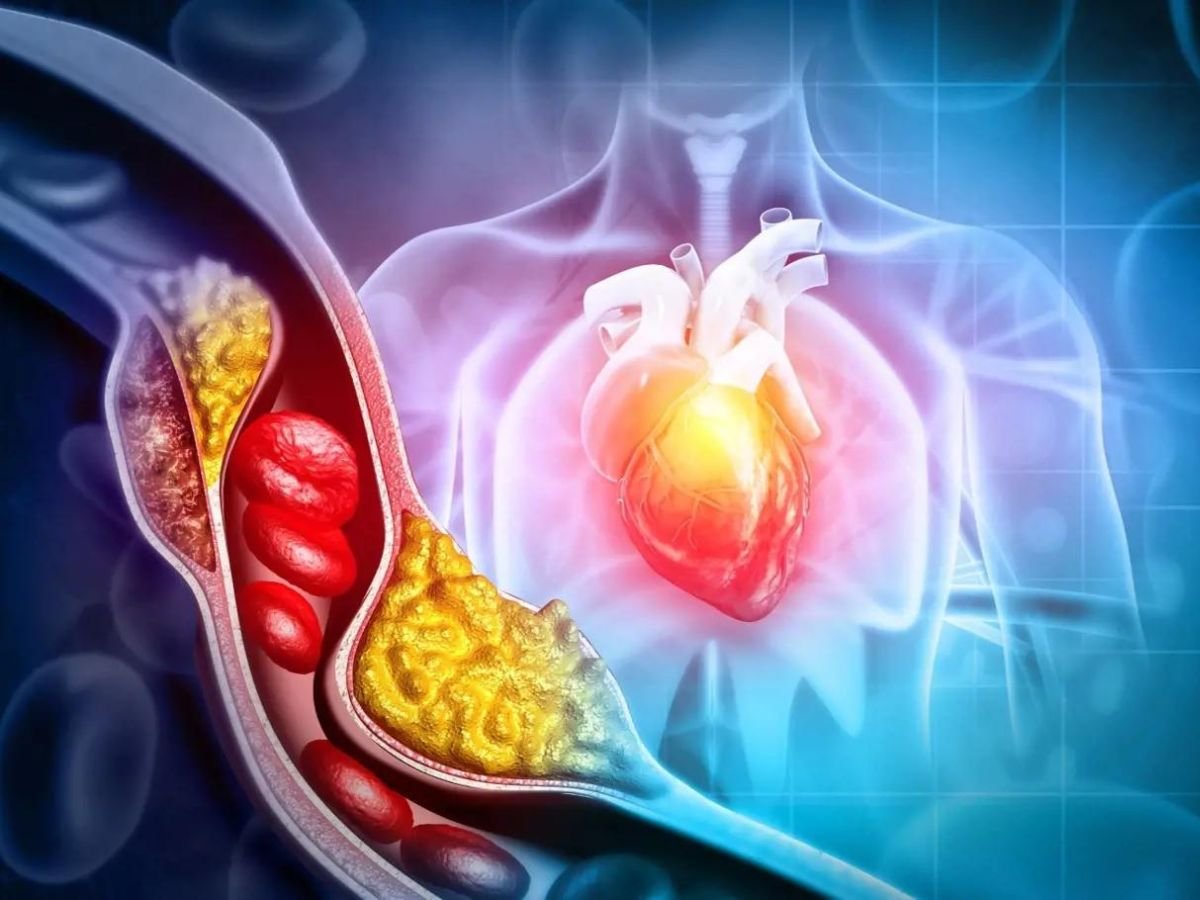
Conditions such as coronary artery disease, arrhythmias, or previous heart issues can significantly increase the risk of nighttime cardiac emergencies. These conditions may worsen during rest when the body’s regulatory mechanisms slow down.
Warning Signs You Should Not Ignore
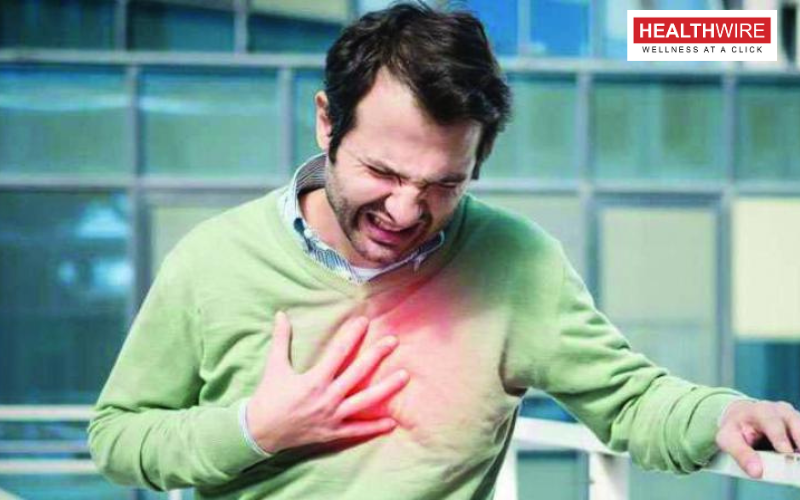
Nighttime heart attack symptoms may feel different and can include:
- Chest discomfort or pressure
- Shortness of breath during sleep
- Sudden sweating or anxiety
- Pain in the arm, jaw, or back
- Waking up with a feeling of heaviness in the chest
Many people mistake these symptoms for indigestion or anxiety, delaying critical care.
How to Reduce the Risk
Preventing nighttime heart attacks involves simple yet effective lifestyle changes:
- Maintain a regular sleep schedule
- Avoid heavy meals before bedtime
- Manage stress through relaxation techniques
- Monitor blood pressure and cholesterol levels
- Seek treatment for sleep apnea or other sleep disorders
- Stay physically active and follow a heart-healthy diet
Nighttime heart attacks are a serious but often overlooked health risk. By understanding the common causes and recognising early warning signs, individuals can take proactive steps to protect their heart health. Regular check-ups, healthy lifestyle habits, and timely medical intervention can make all the difference in preventing life-threatening cardiac emergencies—even while you sleep.
Disclaimer: This article is for informational purposes only and should not be considered medical advice. Always consult a healthcare professional for concerns related to heart health.












Leave a comment