


Heart failure remains one of the leading causes of morbidity, mortality, and hospitalization worldwide. Despite advances in pharmacological and device-based therapies over the past 2 decades, it continues to impose a huge burden on patients and healthcare systems alike. Heart failure is also being confused with heart attacks and is used interchangeably by individuals, although both are different heart conditions. Hence, the first step to managing heart failure is to understand the conditions well enough and distinguish them, which can ensure prompt medical care.
Heart Failure and Heart Attack: Key Differences
Dr Deepesh Gupta, Cardiologist, Apollo Hospitals, Kolkata, explains – Heart failure, a chronic, progressive condition, occurs when the heart can’t pump enough blood to meet the body’s metabolic needs due to a structural or functional impairment. The ejection fraction (EF) rate (normal range: 55 – 70%) calculates the amount of blood pumped from the left ventricle with each heartbeat. An EF of below 50% indicates a weakening of the heart muscle, which fails to perform its heart functions at the required capacity. At this stage, you begin to notice symptoms of breathlessness, fatigue, swelling of the legs, and reduced tolerance to physical activity.
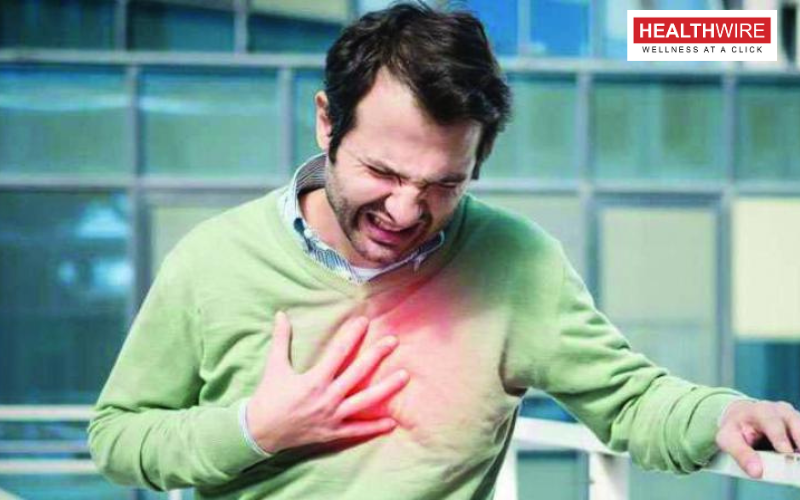
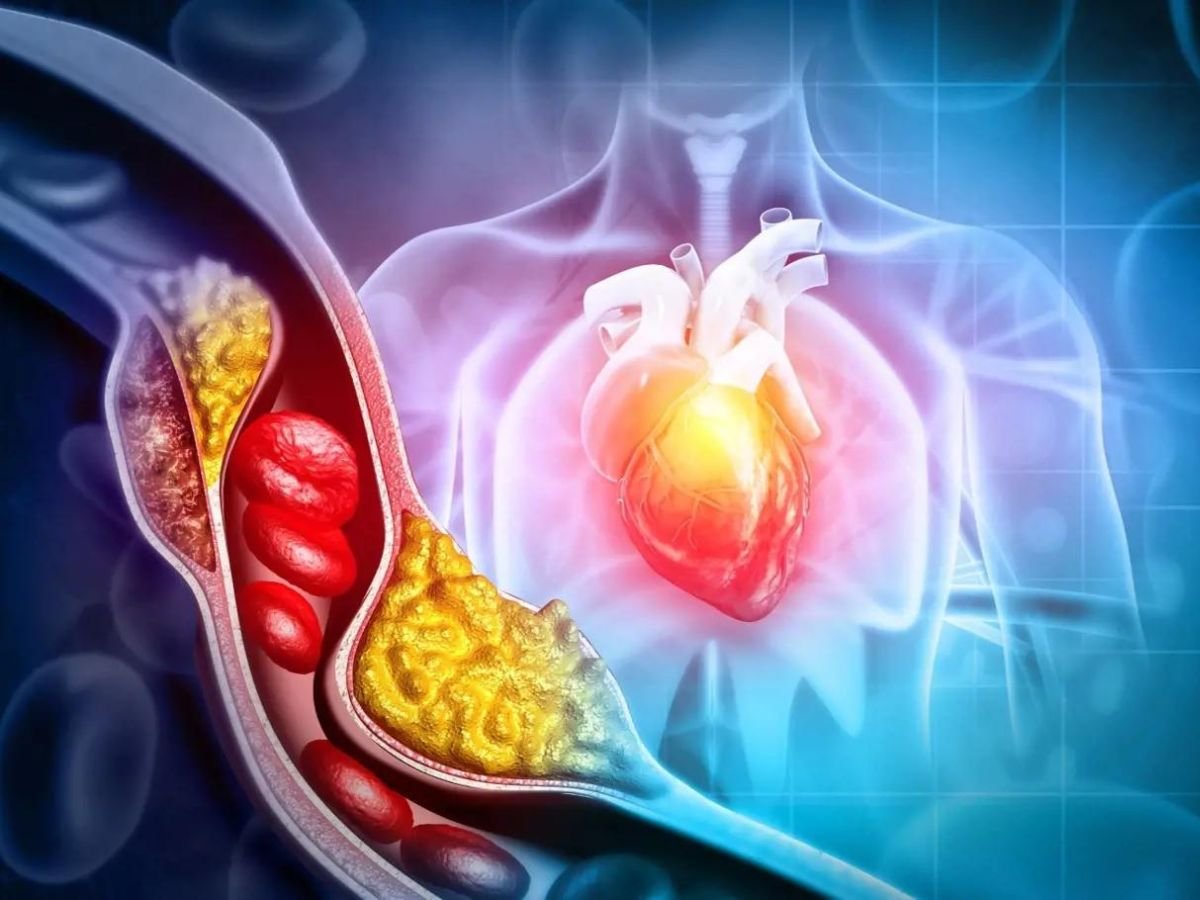
A heart attack or myocardial infarction (MI) is an acute emergency where oxygenated blood supply to the heart suddenly stops due to blockages in the coronary arteries (a condition known as coronary artery disease or CAD). It follows a series of symptoms like severe pain, pressure, or discomfort in the chest, which may radiate to the jaw or arm. Without timely treatment, the affected heart muscle remains starved of oxygen and begins to die, leading to mortality.
Causes of Heart Failure
A heart attack is the single most common cause of heart failure. That’s why preventing and promptly treating heart attacks is central to preventing heart failure. However, heart failure has many other causes, and not every patient with heart failure has had a heart attack. It is not a single disease but the final common pathway of multiple cardiac and systemic conditions.
Several of its causes are reversible, and correcting them can restore heart function significantly. Other causes are uncontrolled hypertension, valve disease, cardiomyopathies, arrhythmias (heart rhythm disorders), thyroid issues, viral infections, and alcohol abuse. Therefore, when heart failure is diagnosed, a comprehensive evaluation to investigate the underlying cause before beginning treatment becomes extremely important.
Four Pillars of Modern Treatment
There are currently four pillar medications for the therapeutic management of heart failure, which are proven to be highly effective in reducing mortality, disease progression, and hospitalisation rates. They are SGLT2 inhibitors, ARNIs, beta blockers, and aldosterone receptor antagonists. These evidence-based medications serve different purposes to manage heart failure symptoms by reducing strain on the heart, slowing the heart rate, and preventing sudden collapse (SCA-sudden cardiac death).
If patients remain severely symptomatic despite therapy, alternative and advanced device-based management are available. Cardiac resynchronisation and defibrillator (CRT-D) can be implanted to coordinate the heart’s electrical activity and protect against fatal arrhythmias.
In advanced stages, a left ventricular assist device (LVAD), which is a mechanical pump, can be used surgically. This will take over the work of the failing ventricle and protect the heart from worsening further. This is also used as a bridge while patients await a donor heart for a rather permanent solution – a heart transplant that offers the best chance of long-term survival and quality of life.













Leave a comment