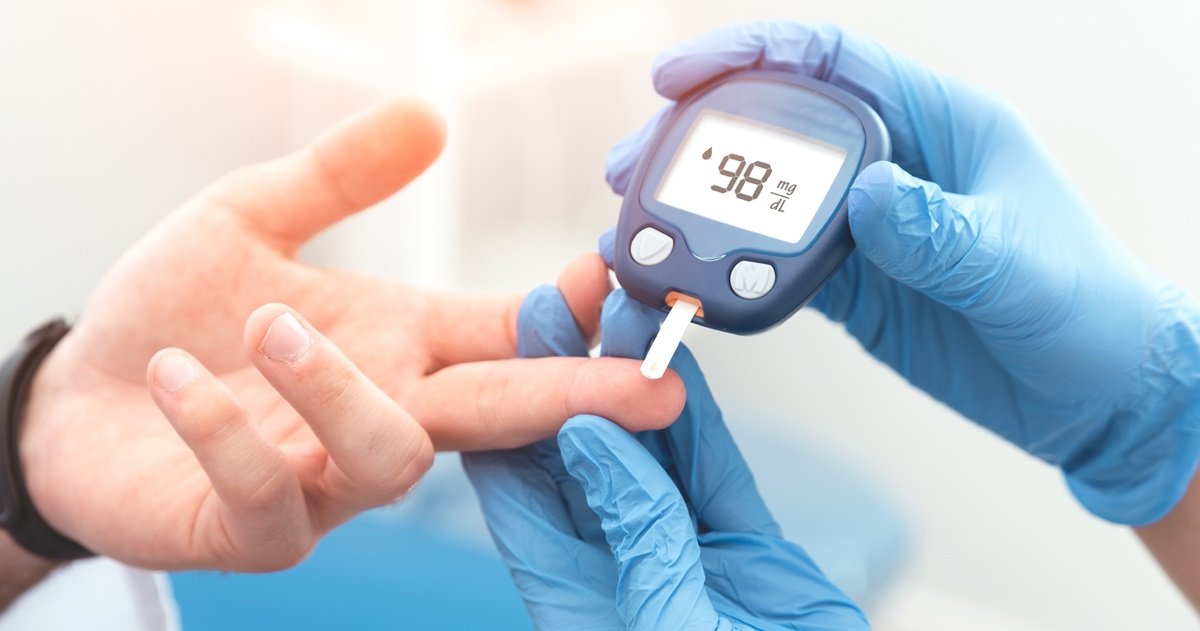
Diabetes has long been considered a disease of middle-aged or older adults. However, in India, it is increasingly affecting people in their 20s and 30s. This early onset poses serious health risks, as longer disease duration increases the likelihood of complications such as heart disease, kidney problems, nerve damage, and vision loss. Understanding the early signs, underlying causes, and prevention strategies is crucial to combat this growing epidemic.
Early Signs of Diabetes
Recognising diabetes early can prevent severe complications. Common early symptoms include:
- Frequent urination: Needing to urinate more often than usual, particularly at night.
- Excessive thirst: Persistent thirst despite adequate fluid intake.
- Unexplained weight changes: Sudden weight loss or gain without changes in diet or activity.
- Fatigue: Feeling unusually tired or lacking energy even after rest.
- Blurred vision: High blood sugar levels can temporarily affect eyesight.
- Slow-healing wounds: Cuts or infections that take longer to heal than usual.
- Tingling or numbness: Especially in hands or feet, indicating possible nerve damage.
Early recognition and medical testing can help manage blood sugar levels before severe complications arise.
Why Diabetes Is Affecting Younger Indians
Several factors contribute to the earlier onset of diabetes in India:
1. Genetic Predisposition
Indians have a higher genetic risk for insulin resistance and type 2 diabetes compared to many other populations. A family history of diabetes increases susceptibility significantly.
2. Sedentary Lifestyle
Urbanisation and modern work environments have led to reduced physical activity. Long hours at desks, minimal exercise, and increased screen time contribute to weight gain and metabolic problems.
3. Unhealthy Diet
Diets high in refined carbohydrates, sugar, fried foods, and processed snacks are common in India. These foods cause rapid spikes in blood sugar and contribute to insulin resistance.
4. Obesity and Abdominal Fat
Even modest weight gain, particularly around the abdomen, increases the risk of developing diabetes. This is especially significant in Indians, who tend to accumulate visceral fat at lower body mass indices (BMI).
5. Stress and Sleep Deprivation
Chronic stress, poor sleep, and irregular lifestyles elevate cortisol and insulin resistance, further increasing the risk of early-onset diabetes.
Preventive Measures
The good news is that type 2 diabetes can often be prevented or delayed with lifestyle modifications. Key strategies include:
- Balanced diet: Focus on whole grains, vegetables, fruits, lean proteins, and healthy fats. Limit sugar, refined carbs, and processed foods.
- Regular physical activity: Aim for at least 150 minutes of moderate-intensity exercise each week, including walking, cycling, or strength training.
- Weight management: Maintain a healthy body weight, with special attention to abdominal fat reduction.
- Adequate sleep: Prioritise 7–8 hours of quality sleep per night.
- Stress management: Practice yoga, meditation, or mindfulness to reduce stress-induced metabolic effects.
- Regular health screenings: Monitor fasting blood sugar, HbA1c, and cholesterol levels, especially if you have risk factors or a family history.
Early intervention can prevent the progression from prediabetes to full-blown diabetes and reduce long-term complications.
Individuals experiencing persistent fatigue, frequent urination, excessive thirst, or unexplained weight changes should consult a healthcare professional promptly. Even if symptoms seem mild, early testing and lifestyle changes can make a substantial difference in long-term health outcomes.
The trend of younger Indians developing diabetes is alarming but not inevitable. Awareness of early symptoms, understanding genetic and lifestyle risk factors, and adopting preventive measures can protect individuals from lifelong complications. With proactive management, diabetes can be controlled—or even prevented—allowing for healthier, longer lives.