

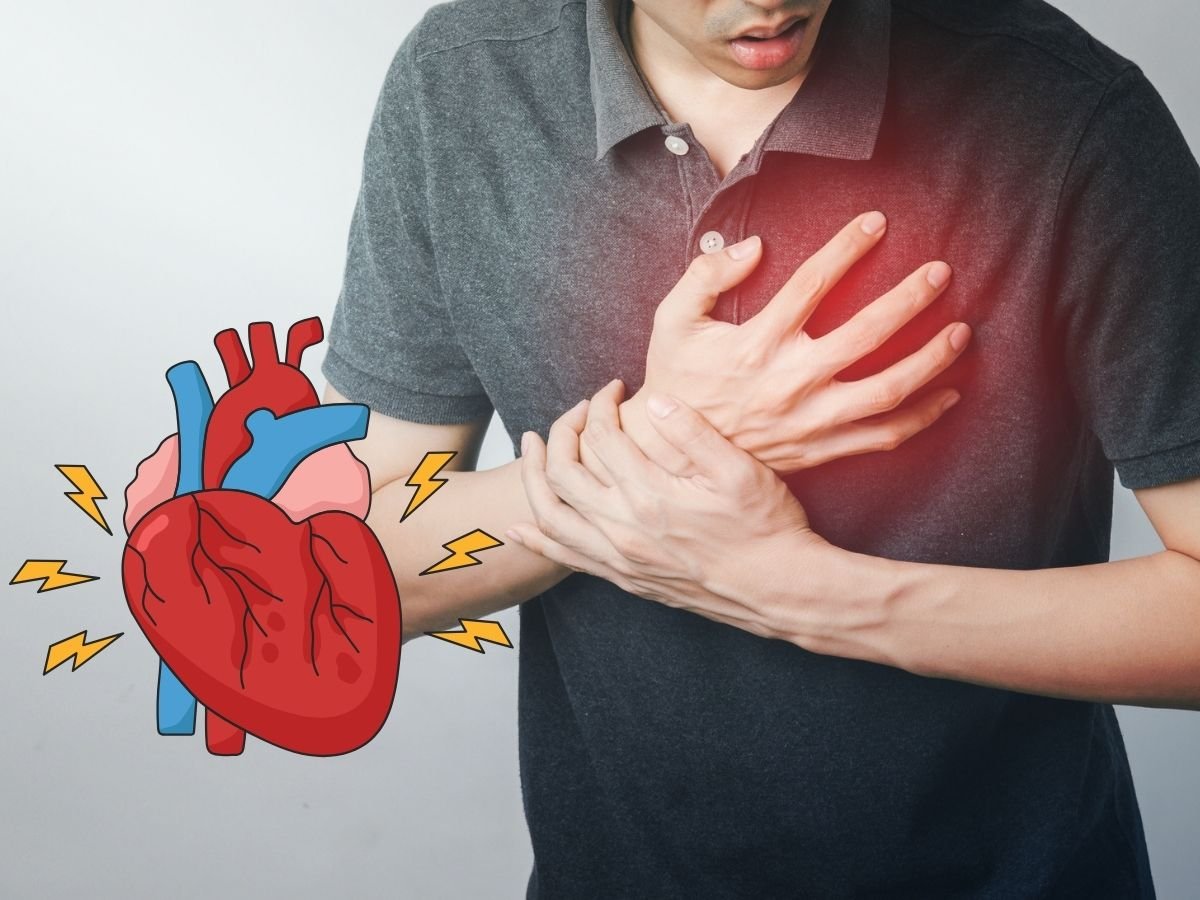
New Delhi, 09 June 2025: Heart attacks are no longer confined to the elderly; a growing number of individuals in their 40s are experiencing serious and sometimes fatal cardiovascular events. This alarming trend is attributed to a mix of lifestyle factors, genetic predisposition, increasing stress levels, and undiagnosed health conditions. The 40s, once considered the prime of life, are now becoming a critical decade for heart health. As work stress peaks, responsibilities multiply, and metabolism slows, many people begin to show early signs of heart disease without even realizing it. According to cardiologists, heart attacks in the 40s are now being diagnosed at double the rate compared to two decades ago, making it crucial to understand the underlying risk factors and prevention strategies to protect your heart before it’s too late.
Common Risk Factors for Heart Attacks in the 40s
Several key risk factors are driving the surge in cardiovascular disease among people in their 40s. These include high blood pressure (hypertension), high levels of LDL (bad) cholesterol, type 2 diabetes, smoking, obesity, a sedentary lifestyle, and excessive alcohol consumption. Metabolic syndrome—a cluster of conditions including belly fat, insulin resistance, and high triglycerides—is especially common in this age group and significantly increases heart disease risk. Family history of heart disease is another major contributor, particularly if a first-degree relative had a heart attack before age 55 (for men) or 65 (for women). Chronic stress, poor sleep, and anxiety further elevate the chances of plaque buildup in arteries, increasing the likelihood of a heart attack at an earlier age.
Hidden Triggers: The Silent Causes You Might Be Ignoring
While traditional risk factors like blood pressure and cholesterol are well known, several silent triggers are often overlooked. Poor dental hygiene has been linked to heart disease due to chronic inflammation caused by gum infections. Sleep apnea, a condition where breathing repeatedly stops during sleep, can lead to increased blood pressure and heart strain. Chronic inflammation due to autoimmune diseases like lupus or rheumatoid arthritis also raises cardiovascular risk. Hormonal imbalances, particularly in women approaching menopause, and low testosterone levels in men can also negatively affect heart function. Even frequent exposure to air pollution, high noise levels, and long working hours can contribute to vascular dysfunction, often without immediate symptoms.
Lifestyle Choices: Habits That Can Make or Break Your Heart Health
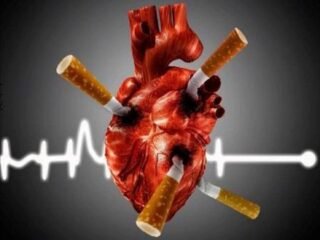
The 40s are often marked by career stress, irregular eating, lack of physical activity, and increased responsibilities, all of which can negatively impact heart health. Unhealthy eating habits such as high intake of trans fats, processed meats, sugary beverages, and fast food can lead to clogged arteries and high cholesterol. Lack of physical exercise, especially in people with desk jobs, contributes to weight gain and poor cardiovascular conditioning. Smoking and frequent alcohol consumption not only damage blood vessels but also reduce oxygen flow to the heart. Prolonged screen time, late nights, and high caffeine intake can spike cortisol levels, disturbing heart rate and blood pressure regulation. Making small but consistent lifestyle changes can dramatically reduce your heart disease risk even in your 40s.
Symptoms of an Impending Heart Attack: Know the Warning Signs Early
Recognizing the early symptoms of a heart attack is crucial to prevent permanent heart damage or death. In men and women in their 40s, these warning signs may include chest pain or tightness, shortness of breath, pain radiating to the arms, jaw, neck or back, nausea, sweating, dizziness, fatigue, and an irregular heartbeat. Women are more likely to experience less typical symptoms like indigestion, anxiety, or back pain. These signs are often mistaken for acidity or anxiety, which delays diagnosis and treatment. If you experience any of these symptoms, especially during physical activity or emotional stress, seek immediate medical help without delay.
Diagnosis and Early Detection: How to Check Your Heart Risk in the 40s
If you’re in your 40s, it’s important to undergo regular heart health screenings even if you feel fine. A basic cardiac risk evaluation includes blood pressure measurement, fasting blood sugar, lipid profile (cholesterol and triglycerides), BMI assessment, and an electrocardiogram (ECG). Advanced tests like echocardiograms, treadmill stress tests, coronary calcium scans, or CT angiography may be recommended if you have a family history or other risk factors. Regular checkups help in early identification of arterial blockages or irregular heart rhythms. Doctors may also assess inflammatory markers like CRP (C-reactive protein) or homocysteine levels to gauge your risk more precisely.
Prevention: How to Lower Your Risk of a Heart Attack in Your 40s
Preventing a heart attack in your 40s involves a multi-faceted approach focused on lifestyle changes, regular monitoring, and in some cases, medication. Start by maintaining a healthy weight and following a heart-healthy diet that includes whole grains, leafy greens, fruits, nuts, seeds, lean proteins, and healthy fats like omega-3s. Cut down on processed and sugary foods. Exercise at least 30–45 minutes a day, five times a week, focusing on cardio and strength training. Quit smoking and limit alcohol intake. Manage stress through yoga, meditation, or therapy, and ensure 7–8 hours of quality sleep every night. Keep your blood sugar, cholesterol, and blood pressure within normal range. If you are already on medication for these conditions, follow your doctor’s prescription strictly and never skip doses. Consider taking a low-dose aspirin or statins only if prescribed by your healthcare provider based on your risk profile.
Gender Differences: Why Women in Their 40s Must Be Extra Cautious
Heart attack symptoms and risks can differ between men and women, especially in their 40s. Women are more likely to experience atypical symptoms and are often underdiagnosed. Hormonal changes during perimenopause may contribute to changes in blood lipid levels and increase the risk of plaque buildup in arteries. Birth control pills, when combined with smoking or hypertension, can further elevate cardiovascular risks. Women with conditions like polycystic ovary syndrome (PCOS) or gestational diabetes are at higher risk for heart disease later in life. Therefore, it’s vital for women to undergo regular heart health screenings and not dismiss subtle symptoms like fatigue, insomnia, or breathlessness.
When to See a Doctor: Don’t Wait for a Heart Attack to Strike
If you are over 40 and experiencing frequent fatigue, breathlessness, palpitations, or chest discomfort—even if mild—it’s time to consult a cardiologist. Even if you’re asymptomatic but have risk factors like diabetes, high cholesterol, or a family history of heart disease, regular cardiac checkups are essential. Timely detection of blocked arteries, valve issues, or arrhythmias can prevent a fatal heart attack. Seek immediate medical attention if you notice signs of a heart attack such as severe chest pain, sudden sweating, fainting, or pain radiating to your left arm or jaw.
Your 40s are a turning point for your long-term heart health. With rising stress, declining metabolism, and busy lifestyles, this decade marks a critical phase where ignoring cardiovascular health can prove dangerous. The increasing incidence of heart attacks in individuals aged 40–49 is a clear signal that proactive prevention, timely diagnosis, and healthy living are more important than ever. By identifying risk factors early and taking conscious steps towards a heart-healthy lifestyle, you can not only prevent heart attacks but also improve your overall well-being and longevity. Don’t wait for symptoms to show—start protecting your heart today.














Leave a comment