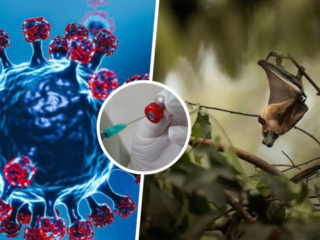
The World Health Organization (WHO) has reassured the public that the risk of a Nipah virus outbreak in India remains low, following the confirmation of two isolated cases in the country. Health authorities are actively monitoring the situation, conducting contact tracing, and reinforcing preventive measures to ensure the virus does not spread further.
All About Nipah Virus
Nipah virus is a rare but potentially deadly zoonotic virus first identified in Malaysia in 1998. Fruit bats are its natural hosts, and it can spread to humans through:
- Direct contact with infected bats, pigs, or other intermediate hosts
- Consumption of contaminated fruits or sap
- Human-to-human transmission in close-contact settings
The virus can cause severe respiratory illness and encephalitis, with a reported case fatality rate ranging from 25% to 100% depending on the outbreak and location.
The Recent Cases in India
Health authorities confirmed two cases of Nipah virus in India over the past week, prompting immediate investigation. Both patients were admitted to specialized isolation units and are receiving supportive care, as there is currently no specific vaccine or antiviral treatment approved for Nipah virus.
Officials emphasized that the cases were isolated and under strict containment, and there is no evidence of community-wide transmission so far.
Dr. Soumya Swaminathan, Chief Scientist at WHO, stated: “The situation is being closely monitored, but based on current information, the risk of a broader outbreak is considered low. The focus is on rapid detection, contact tracing, and public awareness.”
Symptoms to Watch For
The Nipah virus can present with flu-like symptoms initially, progressing to more severe illness in some cases. Common signs include:
- Fever and headache
- Drowsiness or confusion
- Respiratory distress
- Encephalitis (inflammation of the brain)
Individuals experiencing these symptoms after visiting affected areas or coming into contact with infected animals or patients are advised to seek immediate medical attention.
Preventive Measures and Guidelines
Health authorities recommend the following to reduce the risk of infection:
- Avoid Contact With Fruit Bats and Pigs
- Do not handle sick animals or consume partially eaten fruits.
- Maintain Hygiene
- Wash hands regularly with soap and water.
- Disinfect surfaces frequently, especially in healthcare settings.
- Practice Safe Food Habits
- Avoid consuming raw date palm sap or unwashed fruits from areas frequented by bats.
- Monitor Symptoms
- Early detection is crucial for containment. Report fever, cough, or neurological symptoms promptly.
- Hospital Precautions
- Health workers are advised to use personal protective equipment (PPE) when treating suspected cases to prevent human-to-human transmission.
Why WHO Assesses Low Risk
WHO’s risk assessment is based on several factors:
- Only two cases have been reported, with no evidence of widespread transmission.
- Both patients are isolated and receiving care, minimizing the chance of secondary infections.
- India has experience handling previous Nipah outbreaks and has established surveillance, diagnostic, and containment protocols.
Dr. Swaminathan added:
“While Nipah is a serious virus, its spread requires close contact. With proper containment, the likelihood of a large-scale outbreak is very low.”
Public Health Preparedness
India’s Ministry of Health has activated rapid response teams and is coordinating with WHO and state authorities. Measures include:
- Contact tracing of all individuals who interacted with the patients
- Quarantine protocols for high-risk contacts
- Enhanced surveillance in regions with fruit bats or pig populations
These steps aim to prevent escalation and reassure the public that the situation is under control.
Key Takeaways for the Public
- The overall risk of a Nipah outbreak in India is low, according to WHO.
- Awareness and early reporting of symptoms remain essential.
- Avoiding contact with potential hosts and practicing hygiene can prevent infection.
While Nipah virus remains a serious and potentially deadly pathogen, health authorities and WHO stress that there is no cause for panic. Rapid containment of the two confirmed cases, combined with public vigilance, is expected to prevent a larger outbreak.
Dr. Swaminathan concluded:”The key is awareness and timely action. With proper precautions, Nipah virus can be contained effectively.”