

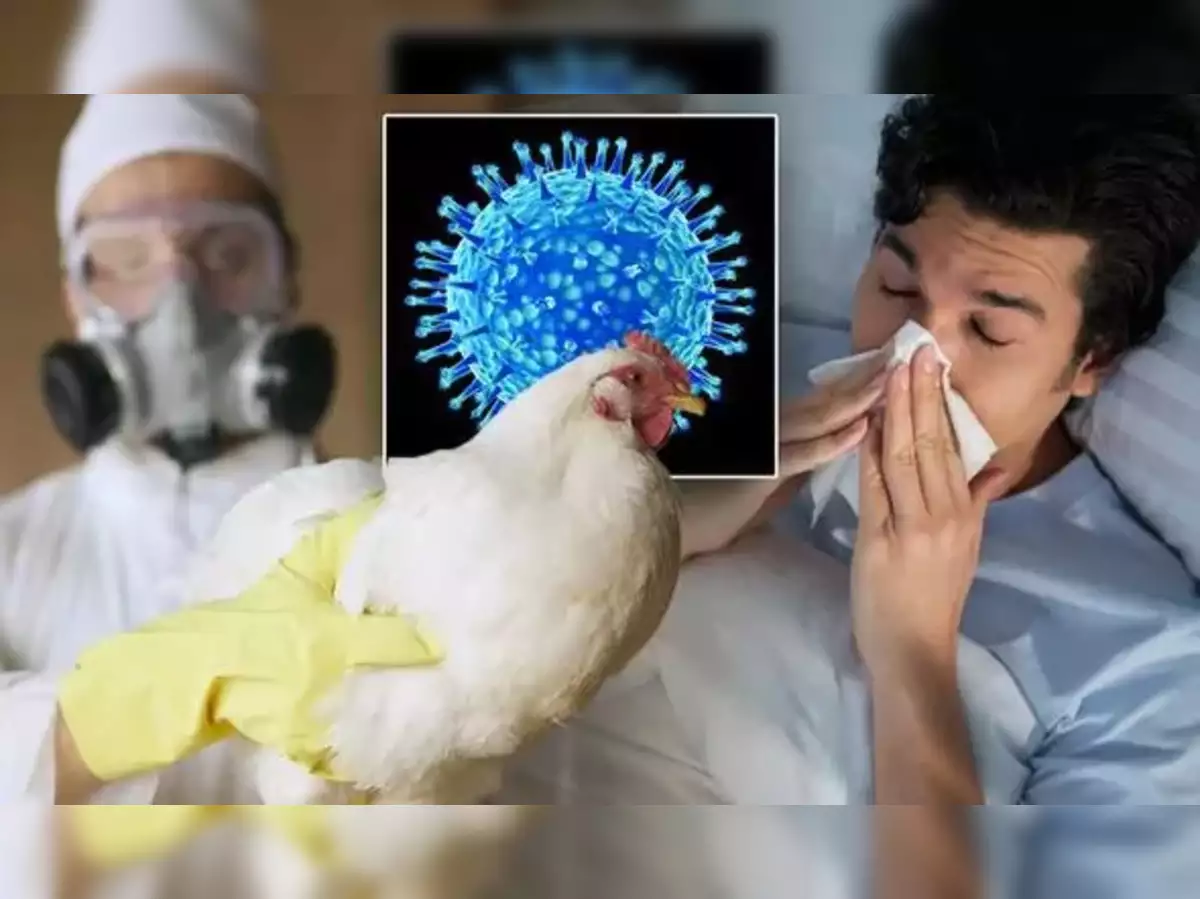
New Delhi, 29 November 2024: The World Health Organization (WHO) is stepping up its monitoring efforts after the first human case of bird flu was reported. This development poses serious public health concerns, sparking inquiries about how the virus spreads, the possibility of outbreaks, and the necessary precautions to take. It’s vital to grasp why this situation has worsened, how to manage it, and what it means for global health.
Understanding Bird Flu: What Is It?
Bird flu, known as avian influenza, is a viral illness that primarily affects birds but can also infect humans. Strains like H5N1 and H7N9 are particularly dangerous, as they can cause severe respiratory issues in people and have a high mortality rate. The recent discovery of human cases has reignited fears of a potential pandemic since these viruses have the capacity to mutate and spread more easily between people.
The First Human Case: What Happened?
The first confirmed human case of bird flu came from an area with high bird infection rates. The affected individual had close contact with infected birds and showed symptoms like fever and breathing problems. Health officials acted promptly by isolating the patient and starting contact tracing efforts to curb any further spread. This incident highlights the risks associated with zoonotic diseases, which can be transmitted from animals to humans.
WHO’s Increased Surveillance: Why It Matters
In light of this troubling news, WHO has intensified its surveillance efforts in the regions impacted. This increased monitoring aims to quickly identify and contain any outbreak before it spirals out of control. It’s an essential approach to understanding how the virus behaves and preventing more human infections. Surveillance also includes tracking bird populations and evaluating factors that may put humans at risk.
Public Health Implications: What Can Be Done?
The rise of bird flu cases in humans poses various public health challenges. Authorities need to ensure that healthcare systems are ready for potential cases by training healthcare providers, enhancing testing capabilities, and stockpiling antiviral medications. Additionally, public awareness is crucial; communities should be educated on the risks of bird flu and the importance of safe practices when handling poultry.
The Role of Bird Flu Vaccination: A Preventive Measure
Vaccination is key to managing avian influenza. Although there is no specific vaccine for bird flu in humans yet, scientists are actively researching effective options for the more severe strains. Immunization campaigns for poultry can also help reduce the risk of transmission from birds to people. Effective vaccination strategies are critical in minimizing risks associated with bird flu outbreaks.
Global Collaboration: A Unified Front
Combatting the threat of bird flu demands a collective global effort. Countries need to collaborate, sharing information, resources, and successful strategies for managing outbreaks. WHO is essential in this cooperation, providing guidance and support to nations. Building strong international partnerships is crucial for improving surveillance, research, and response strategies.
The Importance of Research: Understanding the Bird Flu Virus
Ongoing research is vital to unraveling the complexities of bird flu. Scientists are investigating the virus’s genetic structure, how it spreads, and potential mutations. This knowledge will inform public health approaches and contribute to the development of effective treatments and vaccines. Investing in research is essential to stay ahead of emerging infectious threats and safeguarding global health.
















Leave a comment