

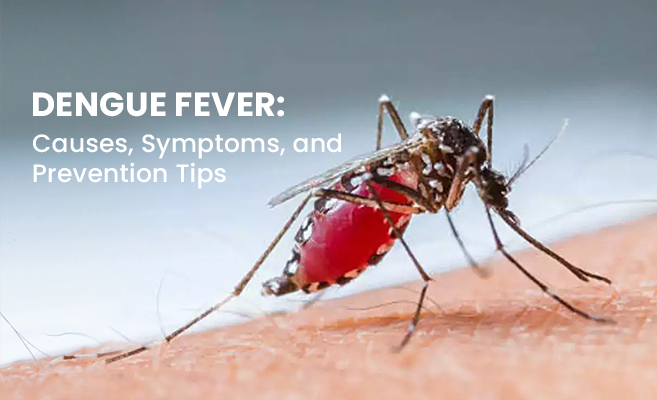
New Delhi, 03 September 2025: Dengue fever is a mosquito-borne viral infection caused by the Aedes aegypti mosquito. It is a common illness in tropical and subtropical regions, especially during monsoon seasons. While dengue can cause symptoms such as high fever, severe headache, muscle and joint pain, nausea, vomiting, and skin rashes, the most concerning complication is a significant drop in platelet count, which can lead to bleeding disorders and even life-threatening conditions if not managed properly.
There is no specific antiviral treatment for dengue, but proper diet and hydration play a crucial role in recovery. Eating the right foods can help boost immunity, restore lost nutrients, improve platelet count, and speed up healing. On the other hand, avoiding certain foods is equally important to prevent complications and reduce stress on the body.
In this article, we will discuss what you should eat and what you should avoid if you are suffering from dengue fever.
Why Diet Matters in Dengue Fever
When the body is fighting dengue, it needs extra energy and nutrients to recover. A poor diet can slow down recovery, worsen symptoms, and increase the risk of complications such as dehydration, low platelet count, and liver strain. A balanced dengue diet should:
- Maintain hydration and electrolyte balance.
- Support immune system function.
- Promote platelet and white blood cell production.
- Be easy to digest to avoid overloading the liver and stomach.
Foods to Eat During Dengue Fever
1. Papaya Leaf Extract or Juice
Papaya leaves are considered one of the most effective natural remedies for increasing platelet count. They contain compounds that help in the production of platelets and boost overall immunity. Many doctors recommend consuming papaya leaf juice in small amounts during dengue recovery.
2. Citrus Fruits (Oranges, Lemons, Kiwi, Grapefruit)
Citrus fruits are rich in vitamin C, which enhances immunity and helps in the absorption of iron. Vitamin C also strengthens blood vessels, reducing the risk of bleeding—a common complication in dengue patients.
3. Pomegranate
Pomegranates are packed with iron and antioxidants. They help combat fatigue, improve blood circulation, and support healthy platelet production.
4. Coconut Water
Dengue often leads to dehydration due to high fever, sweating, and vomiting. Coconut water is an excellent natural electrolyte drink that restores lost minerals like potassium and sodium, helping maintain fluid balance.
5. Papaya, Kiwi, and Dragon Fruit
These fruits are rich in vitamins A, C, and K, and are known to boost platelet count naturally. Kiwi, in particular, is loaded with vitamin C and folate, both essential for blood cell formation.
6. Leafy Greens (Spinach, Kale, Moringa Leaves)
Green leafy vegetables are rich in iron, vitamin K, and folate. These nutrients are vital for improving hemoglobin levels, supporting blood clotting, and promoting faster healing.
7. Pumpkin, Carrots, and Beetroot
These vegetables are rich in antioxidants and beta-carotene, which support immune function and improve blood health. Beetroot, in particular, is excellent for increasing hemoglobin levels and enhancing stamina.
8. Protein-Rich Foods (Lean Chicken, Eggs, Fish, Legumes, Tofu)
Protein helps repair body tissues, strengthens immunity, and aids recovery. If you are not vegetarian, lean chicken broth or boiled eggs are excellent choices. For vegetarians, lentils, chickpeas, and tofu provide good protein intake.
9. Soups and Broths
Vegetable or chicken soups are light, easy to digest, and provide warmth and hydration. They also supply minerals and vitamins necessary for recovery.
10. Hydrating Fluids
Apart from water, fluids like fresh fruit juices, herbal teas, rice water, and oral rehydration solutions (ORS) are important to keep dehydration at bay and help flush out toxins.
Foods to Avoid During Dengue Fever
While some foods aid recovery, others can slow down healing, weaken immunity, or worsen symptoms. Here are the foods to avoid:
1. Oily and Fried Foods
Deep-fried and greasy foods are difficult to digest and can cause bloating, acidity, and liver stress. Since the liver is often affected during dengue, avoiding fried foods is crucial.
2. Spicy Foods
Spicy dishes can irritate the stomach lining, worsen nausea, and cause acidity. They may also increase discomfort for patients already struggling with weakness and digestive issues.
3. Caffeinated Drinks (Coffee, Energy Drinks, Strong Tea)
Caffeine acts as a diuretic, causing excessive urination and increasing the risk of dehydration—a serious concern in dengue fever. It also puts extra strain on the liver.
4. Alcohol
Alcohol consumption is strictly prohibited during dengue fever. It dehydrates the body, damages the liver, weakens immunity, and interferes with platelet recovery.
5. Red Meat
Red meat is heavy and difficult to digest, which may burden the liver and digestive system during recovery. Opt for lean meats or plant-based proteins instead.
6. Packaged and Processed Foods
Junk foods, canned products, chips, and instant noodles are loaded with preservatives, sodium, and unhealthy fats. They provide little nutrition and may delay recovery.
7. Sugary Foods and Carbonated Beverages
Too much sugar weakens the immune system, causes energy spikes followed by crashes, and increases the risk of inflammation. Soft drinks and packaged juices should be avoided.
8. Foods Low in Fiber
Constipation is common during dengue due to reduced appetite and dehydration. Low-fiber foods worsen this condition, so fiber-rich fruits and vegetables are better choices.
Dengue Recovery Diet Plan (Sample)
Here’s a simple diet plan that can be followed during dengue recovery (customized based on medical advice):
- Morning (Empty Stomach): Papaya leaf juice or warm lemon water.
- Breakfast: Oatmeal with kiwi and pomegranate seeds.
- Mid-Morning Snack: Coconut water or fresh orange juice.
- Lunch: Steamed rice with moong dal, spinach curry, and beetroot salad.
- Evening Snack: Herbal tea with boiled sweet potato.
- Dinner: Vegetable soup with boiled chicken or tofu.
- Before Bed: A glass of warm turmeric milk (for immunity).
Additional Tips for a Dengue Diet
- Stay Hydrated: Drink 2.5–3 liters of fluids daily.
- Eat Small Meals: Instead of heavy meals, consume light and frequent meals to avoid stress on the stomach.
- Include Immunity Boosters: Foods rich in vitamin C, zinc, and antioxidants speed up recovery.
- Avoid Self-Medication: Do not rely on home remedies alone. Always follow your doctor’s advice.
- Monitor Platelet Count: Regularly check your blood reports to track platelet and hemoglobin levels.
Diet plays a powerful role in the recovery process from dengue fever. While there is no magic food that can cure dengue overnight, eating the right foods—like papaya leaves, citrus fruits, pomegranate, coconut water, and protein-rich meals—can help improve platelet count, boost immunity, and restore strength. On the other hand, avoiding alcohol, caffeine, fried foods, red meat, and processed items is essential to prevent complications.
If you or a loved one is suffering from dengue, follow a nutrient-rich, hydrating, and light diet along with medical guidance. With proper care, patience, and good nutrition, recovery from dengue can be much smoother and faster.
- best diet for dengue patients
- dengue fever care
- dengue fever diet
- dengue hydration foods
- dengue nutrition tips
- dengue patient meal plan
- dengue recovery foods
- foods to avoid in dengue
- foods to eat in dengue
- fruits for dengue recovery
- immunity boosting foods for dengue
- increase platelet count in dengue
- natural remedies for dengue
- papaya leaves for dengue

















Leave a comment