


New Delhi, September 12: In the wake of the global COVID-19 pandemic, the world is once again grappling with the emergence of a new virus. China has recently detected a novel virus, dubbed the “wetland virus,” which has raised concerns about its potential impact on public health. This article will explore the details of the wetland virus, including its origins, symptoms, and the potential risks it poses.
Another Outbreak? China Reports Emergence of Wetland Virus
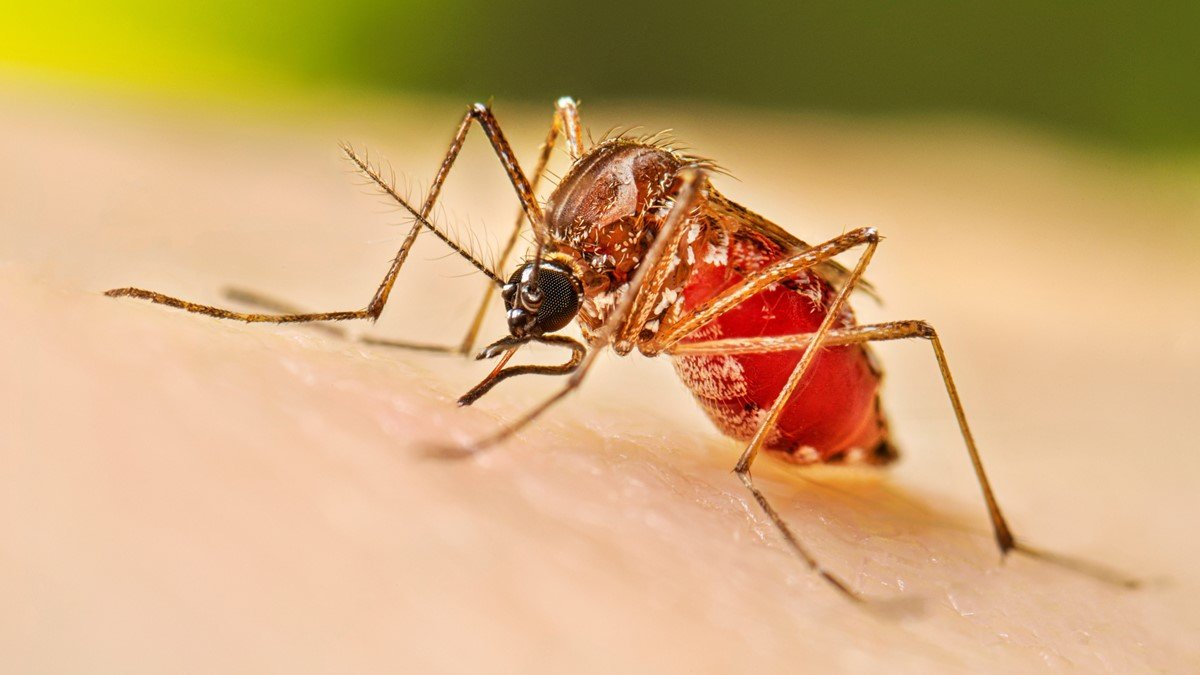
The wetland virus was first identified in China through surveillance efforts aimed at detecting emerging pathogens. Researchers discovered the virus in samples collected from wetland areas, hence its name. While the exact source of the virus remains under investigation, it is believed to have originated from animals or insects found in these environments.
Symptoms of Wetland Virus Infection
The symptoms associated with wetland virus infection are still being studied, but initial reports suggest that they can vary widely. Some individuals may experience mild flu-like symptoms, such as fever, cough, and fatigue. However, in severe cases, the virus can cause more serious complications, including damage to the brain and nervous system.
The Virus Can Severely Damage The Brain
One of the most concerning aspects of the wetland virus is its potential to cause brain damage. Some studies have indicated that the virus can cross the blood-brain barrier, allowing it to infect the central nervous system. This can lead to a range of neurological symptoms, including:
1. Headache
2. Confusion
3. Seizures
4. Paralysis
5. Cognitive impairment
The Threat of a Global Pandemic
While the current situation remains fluid, there is a growing concern that the wetland virus could potentially lead to a global pandemic. If the virus develops the ability to spread easily from person to person, it could rapidly infect large populations.
China Virus: Prevention and Control Measures
To prevent the spread of the wetland virus, several measures can be implemented:
Surveillance: Continued surveillance efforts are essential to monitor the spread of the virus and identify new cases.
Public health measures: Implementing public health measures, such as social distancing, mask-wearing, and hand hygiene, can help to reduce the transmission of the virus.
Vaccination development: Researchers are working to develop vaccines that can protect against the wetland virus.
International cooperation: Global cooperation is crucial in addressing the threat of emerging infectious diseases like the wetland virus.
Read Also – New COVID Wave? XEC Variant Spreading Rapidly, Experts Warn of Severe Symptoms
The emergence of the wetland virus in China is a serious public health concern. While the full extent of its risks and potential impact remains to be determined, it is important to take proactive measures to prevent its spread.
Follow this space to stay updated with all the latest health news and developments from around the world.















Leave a comment