

New Delhi, 27 August 2025: When it comes to anti-aging solutions, skincare products like retinol often dominate the conversation. But new research is shifting the spotlight to a much simpler and more accessible tool: Vitamin D. Recent findings suggest that daily Vitamin D supplementation may not only protect your DNA but also slow down the biological aging process—by as much as three years.
A Breakthrough in the Science of Aging
A major long-term clinical trial involving thousands of adults has provided compelling evidence that daily Vitamin D intake helps reduce DNA damage and preserve telomere length—one of the most reliable markers of biological aging. Telomeres, which are protective caps at the ends of our chromosomes, naturally shorten with age. The faster they shorten, the faster we age at the cellular level.
Participants in the study who received 2,000 IU of Vitamin D3 daily showed significantly slower telomere shortening than those who received a placebo. Over four years, the difference in telomere length between the two groups was comparable to about three fewer years of cellular aging.
In contrast, another supplement tested during the same period—omega-3 fatty acids—did not have a meaningful effect on telomere length.
What Are Telomeres and Why Do They Matter?
Telomeres serve as protective buffers that prevent DNA from deteriorating or sticking to other DNA strands. Every time a cell divides, telomeres shorten slightly. When they become too short, the cell can no longer divide and becomes inactive or dies—a process that contributes to aging and the development of age-related diseases such as heart disease, diabetes, and certain cancers.
Therefore, preserving telomere length is a key strategy in promoting healthy longevity. The fact that Vitamin D may help with this process puts it in the spotlight as more than just a vitamin for bones and immunity—it could be a central player in cellular health.
DNA Damage and the Anti-Aging Effect
In addition to preserving telomeres, Vitamin D has also been shown to reduce oxidative DNA damage, which is another hallmark of aging. In various clinical settings, participants who took Vitamin D supplements daily experienced a measurable reduction in DNA damage in white blood cells.
The supplement appears to work through several mechanisms: boosting antioxidant activity, lowering inflammation, and enhancing mitochondrial function. These benefits make Vitamin D a unique agent in the fight against both aging and chronic disease.
In one smaller trial, Vitamin D supplementation also increased telomerase activity—the enzyme that rebuilds telomeres after cell division. This further reinforces its potential as a tool for supporting cellular regeneration.
How Much Vitamin D Should You Take?
While the trial used 2,000 IU of Vitamin D3 daily, this is higher than the standard recommended daily allowance, which ranges from 600 to 800 IU for most adults. However, the upper safe limit is 4,000 IU per day, and 2,000 IU is considered both safe and effective for many individuals, particularly those with low baseline levels.
Still, individual needs vary. Vitamin D levels in the blood are influenced by many factors, including sunlight exposure, skin tone, age, body weight, and geography. In some cases, supplementation may be necessary year-round, especially for people living in areas with limited sunlight or spending most of their time indoors.
There is currently no global consensus on the “optimal” blood level of Vitamin D. While some guidelines suggest 20 ng/mL as sufficient, others recommend at least 30 ng/mL for better health outcomes. Because these numbers can vary between organizations and labs, it’s important to get your levels checked and speak to a healthcare provider before starting any high-dose supplementation.
Can You Get Too Much?
Yes. While Vitamin D is essential for health, excessive intake can lead to toxicity. Doses above 4,000 IU per day over long periods can cause hypercalcemia—a buildup of calcium in the blood. This condition may lead to nausea, vomiting, kidney problems, and calcium deposits in soft tissues.
If you’re considering taking more than 2,000 IU daily, it’s crucial to monitor your blood levels and consult with a healthcare professional. Safe and effective supplementation depends not only on dosage but also on individual health status, diet, and lifestyle factors.
Should You Start Taking Vitamin D for Anti-Aging?
If you’re deficient in Vitamin D—which many people unknowingly are—then yes, supplementation may offer wide-ranging benefits. These go beyond just telomere preservation and include:
- Improved immune function
- Enhanced bone strength
- Reduced inflammation
- Better mood regulation
- Potential reduction in chronic disease risk
However, it’s important to remember that Vitamin D is not a magic bullet. Aging is a complex process influenced by genetics, environment, and lifestyle. Vitamin D should be seen as part of a broader strategy that includes healthy eating, regular exercise, quality sleep, stress reduction, and avoiding harmful habits like smoking or excessive alcohol consumption.
Who Is Most at Risk for Vitamin D Deficiency?
- People with darker skin tones (melanin reduces Vitamin D synthesis)
- Older adults (skin becomes less efficient at producing Vitamin D)
- Individuals who are overweight or obese
- People living in northern regions with long winters
- Those who wear sunscreen frequently or cover most of their skin
- Individuals with certain medical conditions affecting nutrient absorption
If you fall into one of these categories, it’s a good idea to get your Vitamin D levels tested before starting a supplementation routine.
Natural Sources of Vitamin D
While supplements are effective, there are also natural ways to increase Vitamin D levels:
- Sunlight: 10–30 minutes of sun exposure on face, arms, or legs a few times per week can help
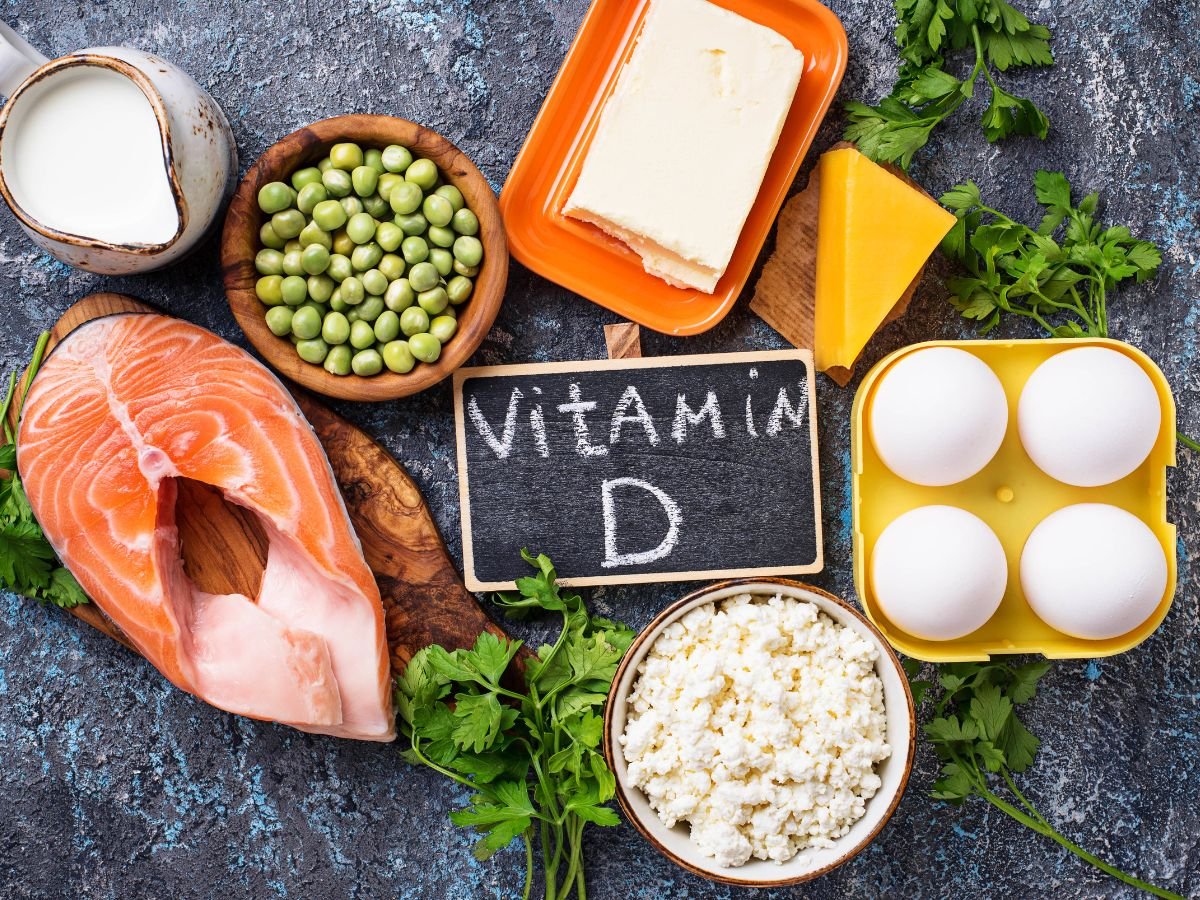
- Foods: Fatty fish (like salmon and sardines), egg yolks, fortified milk and cereals, mushrooms exposed to sunlight
- UV lamps: For people in sun-deprived climates, these can mimic sunlight and boost Vitamin D
Final Thoughts: The Simpler Path to Longevity?
The idea that something as accessible as Vitamin D could slow biological aging by years is both exciting and empowering. While more research is needed to confirm long-term outcomes, the current evidence is promising enough to consider this nutrient a key part of any wellness and longevity strategy.
Rather than chasing expensive or invasive anti-aging treatments, focusing on your vitamin levels—especially Vitamin D—may provide a safer, more sustainable path to feeling and functioning younger.
As always, check with a healthcare provider to determine the right dose for your needs, especially if you’re considering long-term supplementation.

















Leave a comment