

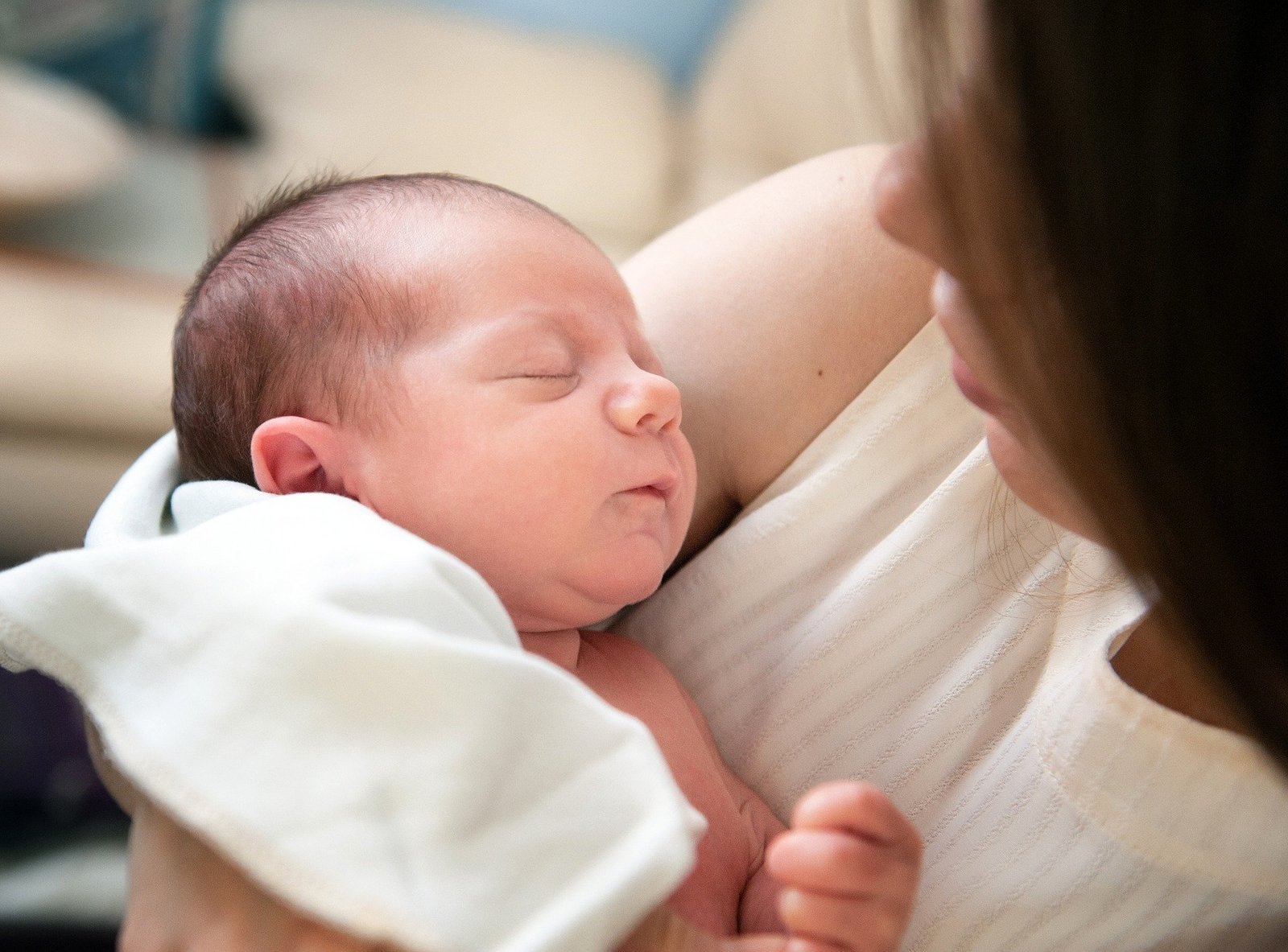
Bringing a new life into the world is an incredible experience, but it can also be overwhelming and challenging for new mothers. While it’s normal to feel a mix of emotions after childbirth, some women experience more severe and long-lasting feelings of sadness, anxiety, and exhaustion. This condition is known as postpartum depression (PPD), and it’s important to recognize its symptoms and signs early to provide the necessary support and treatment.
What is Postpartum Depression?
Postpartum depression is a serious mental health condition that affects new mothers, usually within the first few weeks to months after giving birth. Unlike the “baby blues,” which are mild and short-lived feelings of sadness and anxiety, PPD is more intense and can interfere with a mother’s ability to care for herself and her baby.
Common Symptoms of Postpartum Depression
Recognizing the symptoms of PPD is the first step in seeking help. Here are some common signs to look out for:
1. Persistent Sadness or Low Mood: Feeling sad or empty most of the time, even when everything seems to be going well.
2. Loss of Interest or Pleasure: Losing interest in activities that used to bring joy, including spending time with the baby.
3. Changes in Appetite or Weight: Experiencing significant changes in eating habits, leading to weight loss or gain.
4. Sleep Disturbances: Having trouble sleeping, even when the baby is asleep, or sleeping too much.
5. Fatigue or Loss of Energy: Feeling extremely tired and lacking the energy to carry out daily tasks.
6. Feelings of Guilt or Worthlessness: Feeling like a bad mother or thinking that you’re not good enough.
7. Difficulty Concentrating: Struggling to focus, make decisions, or remember things.
8. Anxiety or Panic Attacks: Experiencing intense anxiety or panic attacks that interfere with daily life.
9. Thoughts of Harming Yourself or Your Baby: Having scary thoughts about hurting yourself or your baby. This is a medical emergency and requires immediate attention.
Seeking Help and Support
If you or someone you know is experiencing symptoms of postpartum depression, it’s crucial to seek help. Here are some steps to take:
Talk to a Healthcare Provider: A doctor or mental health professional can provide a proper diagnosis and recommend treatment options, such as therapy, medication, or a combination of both.
Reach Out to Loved Ones: Share your feelings with family and friends who can offer support and understanding.
Join a Support Group: Connecting with other new mothers who are going through similar experiences can provide comfort and practical advice.
Self-Care: Make time for self-care activities that help you relax and recharge, like taking a walk, reading, or practicing mindfulness.
Postpartum depression is a treatable condition, and with the right support, new mothers can overcome it and enjoy their journey of motherhood. Early recognition and intervention are key to ensuring the well-being of both the mother and the baby. If you suspect PPD, don’t hesitate to seek help and take the first step towards recovery.













Leave a comment