

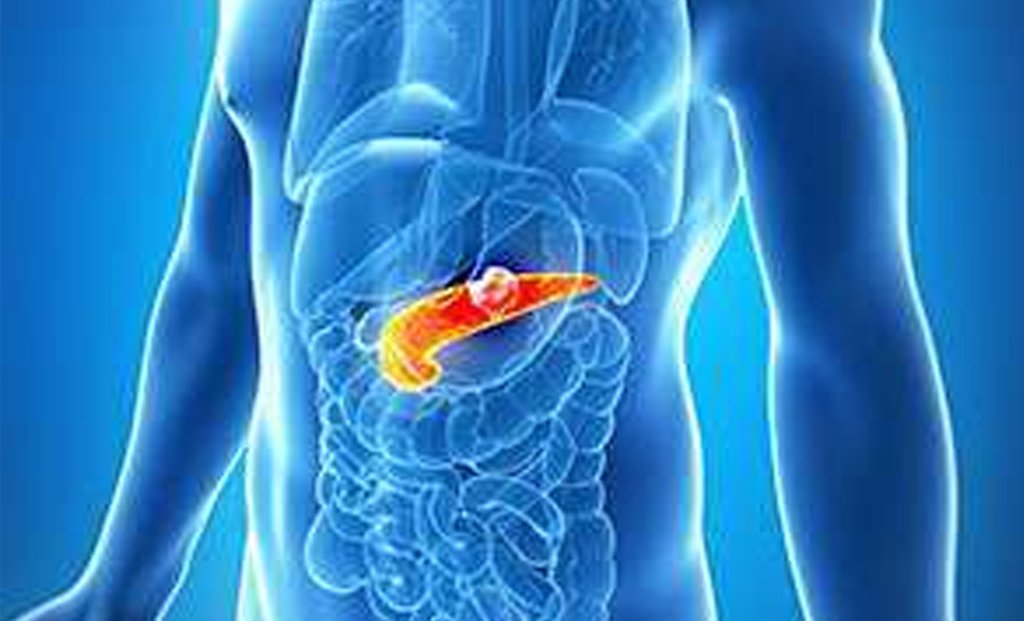
New Delhi, 28 May 2025: A recent United Nations (UN) study has highlighted a concerning link between alcohol consumption and an elevated risk of developing pancreatic cancer. This revelation underscores the importance of understanding lifestyle factors that contribute to cancer risk and emphasizes the need for public health initiatives aimed at reducing alcohol intake.
The comprehensive study analyzed data from various global health organizations and research institutions, focusing on the correlation between alcohol consumption patterns and the incidence of pancreatic cancer. The findings indicate that excessive alcohol intake is a significant risk factor for the development of this aggressive cancer type.
Key Findings
Increased Risk with Higher Consumption
The study found a dose-dependent relationship between alcohol consumption and pancreatic cancer risk. Individuals who consumed higher amounts of alcohol were found to have a significantly increased risk of developing pancreatic cancer compared to those who abstained or consumed alcohol in moderation.
Impact of Binge Drinking
Patterns of binge drinking, characterized by consuming large quantities of alcohol in short periods, were particularly associated with a higher incidence of pancreatic cancer. This behavior exacerbates the risk, especially when combined with other factors such as smoking.
Gender Differences
While both men and women are at risk, the study observed that men who engage in heavy alcohol consumption have a notably higher risk of developing pancreatic cancer. This disparity may be due to differences in alcohol metabolism and lifestyle factors.
Interaction with Other Risk Factors
The study also examined how alcohol consumption interacts with other known risk factors for pancreatic cancer, such as smoking and obesity. It was found that alcohol use, when combined with these factors, significantly amplifies the overall risk.
Mechanisms Behind the Link
The study delves into several biological mechanisms that may explain the association between alcohol consumption and pancreatic cancer:
Inflammation: Chronic alcohol intake can lead to inflammation of the pancreas, which may promote cancerous changes in pancreatic cells.
Genetic Mutations: Alcohol metabolism produces acetaldehyde, a toxic compound that can cause DNA damage, leading to mutations associated with cancer development.
Oxidative Stress: Excessive alcohol consumption increases oxidative stress, damaging cells and tissues and contributing to cancer progression.
Hormonal Changes: Alcohol can alter hormone levels, which may influence the development of certain cancers, including those of the pancreas.
The findings of this study have significant public health implications:
Awareness Campaigns: There is a need for global awareness campaigns to educate the public about the risks associated with excessive alcohol consumption and its link to pancreatic cancer.
Policy Recommendations: Health organizations are urged to implement policies that promote responsible drinking and provide resources for individuals seeking to reduce alcohol intake.
Screening and Early Detection: Given the aggressive nature of pancreatic cancer, the study advocates for improved screening and early detection methods, particularly for individuals with a history of heavy alcohol use.
This UN study serves as a stark reminder of the health risks associated with excessive alcohol consumption, particularly its link to pancreatic cancer. It calls for concerted efforts from governments, health organizations, and communities to address this issue through education, policy, and support systems aimed at reducing alcohol-related harm.

















Leave a comment