


New Delhi, 28 May 2025: In recent decades, obesity has emerged as a global health epidemic, affecting millions of individuals across age groups. While its association with conditions like diabetes, hypertension, and heart disease is widely recognized, mounting scientific evidence also links obesity to the onset of various cancers. This connection is not merely coincidental — excess body fat plays a direct role in creating a biological environment conducive to cancer development. Understanding how obesity influences cancer risk is essential for prevention, early detection, and long-term health.
What Is Obesity?
Obesity is defined as an abnormal or excessive fat accumulation that poses a risk to health. It is typically measured using the Body Mass Index (BMI), where a BMI of 30 or above is classified as obese. Obesity often results from a combination of genetic, behavioral, and environmental factors — including poor diet, sedentary lifestyle, and lack of physical activity.
The Link Between Obesity and Cancer
Several studies, including those by the World Health Organization (WHO) and American Cancer Society, have confirmed that obesity significantly increases the risk of developing at least 13 types of cancer.
These include:
Breast cancer (especially after menopause)
Colorectal cancer
Endometrial (uterine) cancer
Kidney cancer
Esophageal adenocarcinoma
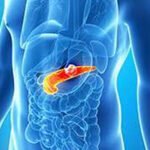
Pancreatic cancer
Gallbladder cancer
Liver cancer
Ovarian cancer
Thyroid cancer
Multiple myeloma
Meningioma (a type of brain tumor)
Stomach (gastric cardia) cancer
The more excess weight a person gains — and the longer they maintain that weight — the greater the cancer risk becomes.
How Does Obesity Trigger Cancer?
- Chronic Inflammation
Excess fat, especially visceral fat around internal organs, triggers chronic low-grade inflammation throughout the body. Inflammatory cells release cytokines and other compounds that can damage DNA, interfere with normal cell repair, and promote unchecked cell growth — a key hallmark of cancer.
- Hormonal Imbalance
Fat cells produce and store hormones such as estrogen. In obese individuals, excess estrogen can promote the development of hormone-sensitive cancers like breast and endometrial cancer. Obesity also leads to increased insulin and insulin-like growth factor (IGF-1) levels, which can stimulate cell proliferation and reduce cell death (apoptosis), making the body more prone to tumor growth.
- Impaired Immune Function
Obesity weakens the immune system, reducing its ability to detect and destroy abnormal or pre-cancerous cells. It can also impair the function of T-cells, a type of white blood cell that plays a critical role in fighting infections and cancer cells.
- Altered Microbiome
Obesity may change the gut microbiota in ways that promote inflammation and tumorigenesis. These imbalances can lead to digestive cancers, particularly colorectal cancer.
Why Cancer Risk Is Higher in Women with Obesity
Women who are overweight or obese, particularly after menopause, face a higher risk of hormone-related cancers such as breast, ovarian, and uterine cancers. This is largely due to the increased estrogen production from fat tissue after the ovaries stop producing hormones. Furthermore, obesity-related insulin resistance and inflammation create an environment where cancer cells can thrive.
Can Weight Loss Reduce Cancer Risk?
Yes. Numerous studies suggest that intentional weight loss, even a modest 5-10% of body weight, can lower levels of inflammation, reduce circulating hormones like estrogen and insulin, and improve immune function. This translates into a reduced risk for certain cancers and better outcomes for those already diagnosed. Bariatric surgery in severely obese individuals has also been associated with a lower incidence of obesity-related cancers.
Preventive Measures: How to Reduce Your Cancer Risk
- Maintain a Healthy Weight
Aim for a BMI between 18.5 and 24.9. Regularly monitor your weight and waist circumference — excess abdominal fat is particularly harmful.
- Adopt a Balanced Diet
Eat plenty of fruits, vegetables, and whole grains.
Limit intake of red meat, processed foods, sugar-sweetened beverages, and high-fat dairy.
Include healthy fats from nuts, seeds, and fish.
- Stay Physically Active
Engage in at least 150 minutes of moderate-intensity or 75 minutes of vigorous-intensity exercise each week. Physical activity helps regulate hormones, reduce inflammation, and support weight control.
- Avoid Smoking and Limit Alcohol
Both smoking and alcohol independently increase cancer risk. When combined with obesity, the danger is amplified.
- Regular Screenings
Early detection through screenings like mammograms, colonoscopies, and Pap smears can help identify precancerous changes and treat cancer at an early stage when it’s most curable.
Obesity is not just a cosmetic or lifestyle issue — it is a serious medical condition with far-reaching consequences, including a significantly increased risk of cancer. Fortunately, obesity is largely preventable and manageable. Through conscious lifestyle changes, regular health checkups, and public awareness, individuals can take control of their weight and, in turn, reduce their cancer risk.
Maintaining a healthy body weight isn’t just about looking good — it’s a crucial part of staying cancer-free and living a longer, healthier life.
















Leave a comment