

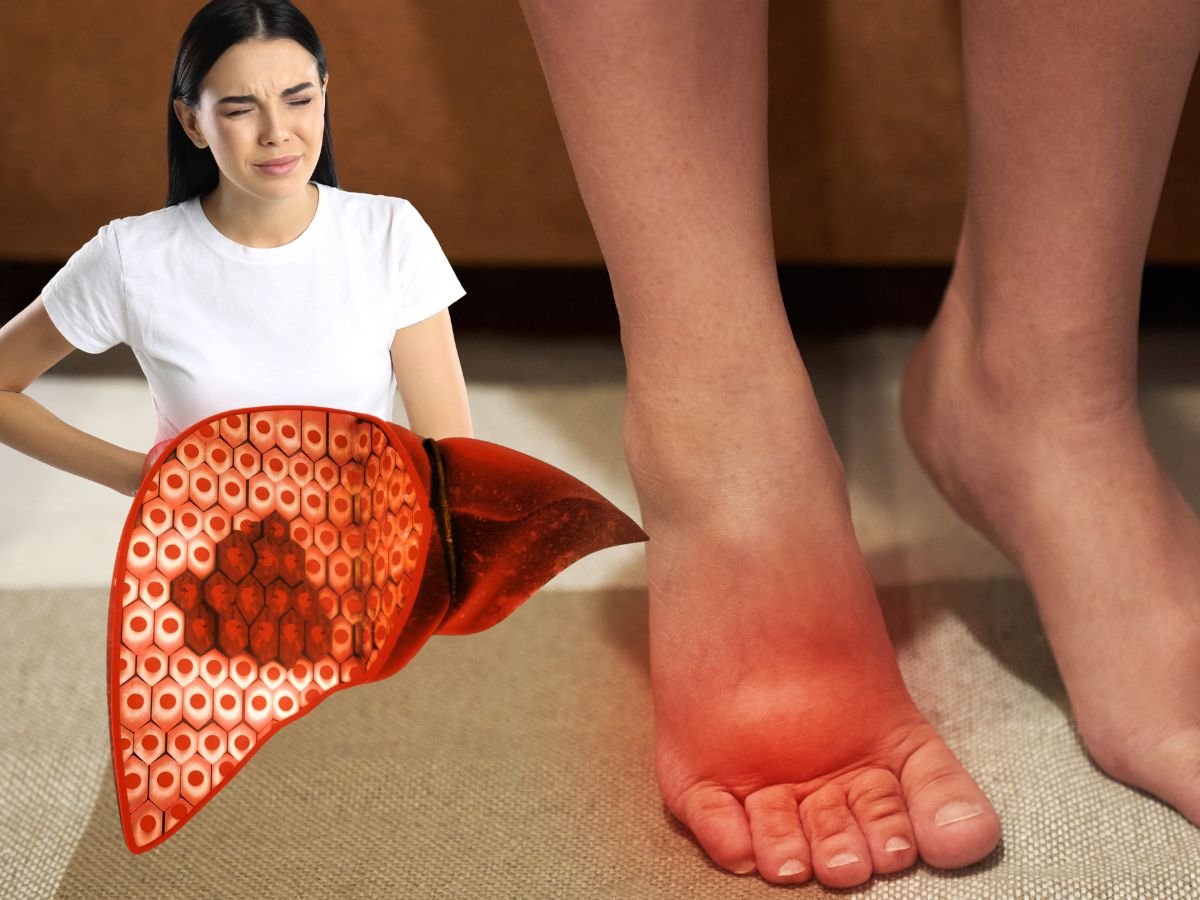
New Delhi, 02 June 2025: A new study from the University of California, Davis, has shown that tiny plastic particles found in everyday food and beverages may pose serious health risks. Researchers have discovered that polystyrene nanoplastics, commonly leached from food packaging and containers, can disrupt blood sugar regulation and damage the liver. These findings, presented at the American Society for Nutrition’s annual meeting, raise red flags about the long-term health impact of microplastics in our diet.
What Are Nanoplastics and Where Do They Come From?
Nanoplastics are microscopic fragments of plastic measuring less than 1 micrometer. They often originate from the breakdown of larger plastic items, such as bottles, food wrappers, and containers. Polystyrene is a type of plastic commonly used in disposable cutlery, foam cups, takeout containers, and packaging. When food is stored in or heated using such materials, polystyrene particles can migrate into what we eat and drink.
The UC Davis Mouse Study: A Closer Look
In this recent experiment, researchers exposed mice to polystyrene nanoplastics in amounts that mimic realistic human dietary exposure. The results were concerning. The mice developed glucose intolerance and elevated liver enzymes, signaling inflammation and damage.
Here are the key findings of the study:
- Glucose Intolerance: Mice struggled to regulate blood sugar, increasing their risk of insulin resistance and type 2 diabetes.
- Liver Injury: Elevated levels of alanine aminotransferase (ALT) suggested that the liver was under stress, a sign of liver inflammation or damage.
- Increased Gut Permeability: The gut lining became more “leaky,” allowing toxins and particles to enter the bloodstream and overload the liver.
Lead researcher Amy Parkhurst stated, “We’re only beginning to understand how pervasive micro- and nanoplastics are in our food system, and these findings raise urgent health concerns.”
How Do Nanoplastics Harm the Body?
Though research on humans is still in its early stages, animal studies indicate several mechanisms through which nanoplastics can harm health:
- Oxidative Stress: Nanoplastics generate reactive oxygen species (ROS) in cells, damaging proteins, DNA, and cell membranes.
- Inflammation: The body recognizes these particles as foreign invaders, leading to chronic, low-grade inflammation.
- Endocrine Disruption: Some plastic compounds may interfere with hormones, affecting metabolism and reproductive health.
- Organ Accumulation: Nanoplastics can accumulate in vital organs like the liver, kidneys, intestines, and brain.
Real-Life Exposure: How You Ingest Nanoplastics
Nanoplastics are not confined to laboratory settings—they’re everywhere:
- Packaged Foods: Ready-to-eat meals, snacks, and beverages stored in plastic containers may contain micro- or nanoplastics.
- Bottled Water: Studies have shown that a single bottle of water can contain thousands of plastic particles.
- Seafood and Salt: Marine life often consumes microplastics, which can enter the human food chain. Even sea salt and table salt have shown plastic contamination.
Health Risks in Humans: What Experts Are Saying
While the study was conducted on mice, experts suggest that similar effects could potentially be observed in humans over time. Earlier research has linked plastic exposure to obesity, infertility, cardiovascular issues, and neurodegenerative diseases.
A study published in Environmental Health Perspectives noted that polystyrene nanoplastics can cross the blood-brain barrier, potentially impacting brain health. Another 2024 study in Toxicology Reports found that chronic exposure could lead to gut dysbiosis, weakening the immune system and overall metabolic health.
How to Reduce Nanoplastic Exposure
Although completely avoiding plastics in modern life is nearly impossible, here are steps you can take to reduce your risk:
- Avoid Heating Food in Plastic: Microwaving food in plastic containers accelerates the release of plastic particles.
- Switch to Alternatives: Use stainless steel, glass, or ceramic containers for storing and heating food.
- Drink Filtered Water: Invest in a high-quality filter capable of removing microplastics.
- Reduce Plastic-Packaged Foods: Choose fresh produce and bulk foods stored in non-plastic materials.
- Support Eco-Friendly Brands: Look for companies that use biodegradable or recyclable packaging.
This research comes at a time when global awareness of plastic pollution is at an all-time high. Policymakers and public health agencies are being urged to regulate plastic use in food packaging and enforce better recycling standards.
The World Health Organization (WHO) and United Nations Environment Programme (UNEP) have both called for urgent action on microplastic pollution, including more research, better waste management, and public education.
The UC Davis mouse study is a chilling reminder that the seemingly invisible plastics in our daily lives may not be as harmless as once believed. With potential links to metabolic dysfunction, liver damage, and systemic inflammation, polystyrene nanoplastics present a growing threat to public health.
As further research continues to unfold, both consumers and industries must work together to adopt safer, sustainable practices. Reducing plastic usage and demanding better food safety standards could be key steps toward a healthier, cleaner future.












Leave a comment