


New Delhi, 03 December 2024: The Marburg virus, a deadly pathogen known for causing severe hemorrhagic fever, has sparked global concern following recent outbreaks in regions such as Equatorial Guinea and Tanzania. Often called the “bleeding eye” virus due to the rare but striking symptom of bloodshot or hemorrhaged eyes, Marburg shares its notoriety with its viral cousin, Ebola. As the world recovers from the COVID-19 pandemic, the emergence of such outbreaks highlights the urgent need for global preparedness and response mechanisms.
What is the Marburg Virus?
The Marburg virus is a member of the Filoviridae family, closely related to the Ebola virus. It was first identified in 1967 after outbreaks among laboratory workers in Germany and Yugoslavia, linked to infected monkeys imported from Uganda. The virus spreads through direct contact with bodily fluids of infected individuals, contaminated surfaces, or animals like fruit bats, considered its natural hosts.
Marburg’s symptoms are severe, beginning with fever, chills, headache, and muscle pain, and progressing to vomiting, diarrhea, and significant internal and external bleeding in severe cases. The disease has an incubation period of 2 to 21 days and a fatality rate ranging from 23% to 90%, depending on the outbreak and healthcare availability.
Recent outbreaks in Equatorial Guinea and Tanzania have resulted in dozens of cases and fatalities, raising alarm among global health organizations. These outbreaks have been characterized by their rapid spread and high fatality rates, underscoring the challenges of containing Marburg in areas with limited healthcare infrastructure.
In response, the World Health Organization (WHO) has deployed teams to affected regions to assist with surveillance, case management, and public awareness campaigns. Contact tracing, isolation of infected individuals, and community engagement have been critical in limiting the spread of the virus.
Global Implications
The emergence of the Marburg virus poses significant global health risks for several reasons:
High Fatality and Transmission Rates: The virus’s lethality and potential for human-to-human transmission make it a dangerous pathogen. Without timely intervention, outbreaks can escalate into regional or global health emergencies.
Healthcare System Strain: In resource-limited settings, outbreaks can quickly overwhelm healthcare systems, leading to delayed diagnosis and inadequate care, further exacerbating mortality rates.
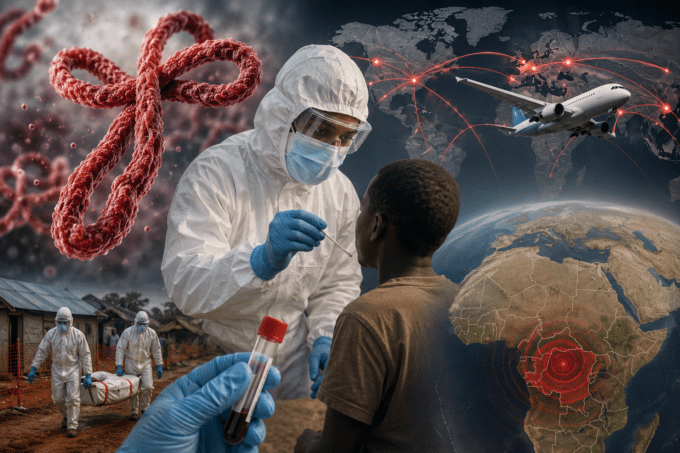
Globalization and Travel: Increased global connectivity raises the risk of the virus spreading beyond its origin, as travelers can unknowingly carry the disease to new regions.
Lack of Vaccines and Treatments: Currently, no approved vaccines or antiviral treatments exist for Marburg. Experimental therapies, such as monoclonal antibodies, are in development but remain inaccessible to most affected populations.
What Can Be Done?
To combat the Marburg virus, a proactive approach is essential. Governments and health organizations must:
Strengthen surveillance systems to detect and respond to outbreaks early.
Invest in vaccine and therapeutic research to develop effective treatments.
Educate communities in high-risk areas about preventive measures, such as avoiding contact with bats and proper hygiene practices.
Enhance healthcare infrastructure in vulnerable regions to manage outbreaks more effectively.
The Marburg virus serves as a stark reminder of the constant threat posed by emerging infectious diseases. Global health security depends on collaboration, vigilance, and sustained investment in prevention and response systems. By learning from past pandemics and preparing for future threats, the world can mitigate the devastating impact of deadly pathogens like Marburg.













Leave a comment