

New Delhi, 09 July 2025: Heart attacks are often portrayed as sudden, intense episodes of chest pain, but in reality, many people experience far more subtle symptoms — especially during the night. In fact, some heart attacks happen while you’re asleep, and the warning signs may be vague, delayed, or completely different from what you’d expect. Chest pain is still the most common symptom, but it’s not the only one, and in some cases, it may not appear at all. Late-night heart attacks are particularly dangerous because the symptoms can be so mild that they’re mistaken for indigestion, fatigue, or anxiety. Understanding these lesser-known signs could be the difference between life and death, especially if they occur during sleeping hours when people are less likely to seek immediate help.
1. Sudden Shortness of Breath or Gasping While Sleeping
One of the most overlooked symptoms that can appear during a heart attack is unexplained breathlessness, especially at night. You may wake up gasping for air or feel like you can’t catch your breath while lying down. This can be caused by fluid buildup in the lungs due to poor heart function, a condition often referred to as nocturnal dyspnea. In many cases, this breathlessness feels similar to an asthma attack or severe anxiety, but it’s actually a red flag that your heart is struggling. If this symptom occurs suddenly and repeatedly in the middle of the night, especially if it’s new or worsens over time, it shouldn’t be ignored.
2. Nausea, Sweating, and a Feeling of Dread
Late-night nausea or a cold sweat that wakes you up from deep sleep can also be early signs of a heart attack. Unlike normal sweating that comes from heat or exercise, this sweat feels cold, clammy, and unnatural. Some people may also experience sudden vomiting or an upset stomach without any obvious cause. These symptoms are sometimes misread as food poisoning or indigestion, but when paired with feelings of anxiety or dread — like something is terribly wrong — they may indicate that the heart is under stress. These signs are especially common in women, who may not feel the classic chest pain but still suffer from a full-blown cardiac event.
3. Pain in the Jaw, Neck, or Left Arm
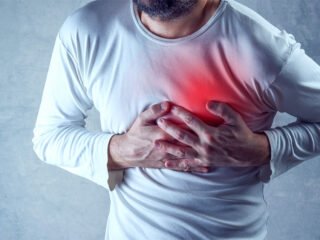
Discomfort that radiates to the jaw, shoulders, upper back, or left arm is another nighttime symptom of a potential heart attack. These areas may ache, feel numb, or present a dull, nagging pain that slowly intensifies. People often dismiss this kind of pain as a pinched nerve or bad sleeping posture, but it can be a sign of referred pain — where the brain interprets heart distress as pain in another part of the body. If you wake up in the night with such sensations, especially if they’re unfamiliar, come on suddenly, or feel deep and heavy, they need to be taken seriously.
4. Irregular Heartbeat or Palpitations
Waking up with a racing heart, irregular beats, or the sensation of fluttering in your chest can also point to a problem with your heart’s electrical system, which may be triggered by a lack of oxygen to the heart muscle. While occasional palpitations can be harmless, if they are accompanied by lightheadedness, fatigue, or pressure in the chest, they may signal a heart attack in progress. These sensations at night can easily be brushed off as nightmares or panic attacks, but if they persist or worsen, medical attention is crucial.
When to Seek Help Immediately
The danger of nighttime heart attack symptoms lies in their subtlety. Many people go back to sleep, hoping the discomfort will pass, only to wake up feeling worse — or sometimes, not at all. If any of the above symptoms occur suddenly, last more than a few minutes, or feel severe or unfamiliar, it’s essential to act fast. Don’t wait for daylight. The quicker a heart attack is recognized and treated, the greater the chances of survival and reduced long-term damage. Listening to your body, even in the middle of the night, could save your life.















Leave a comment