

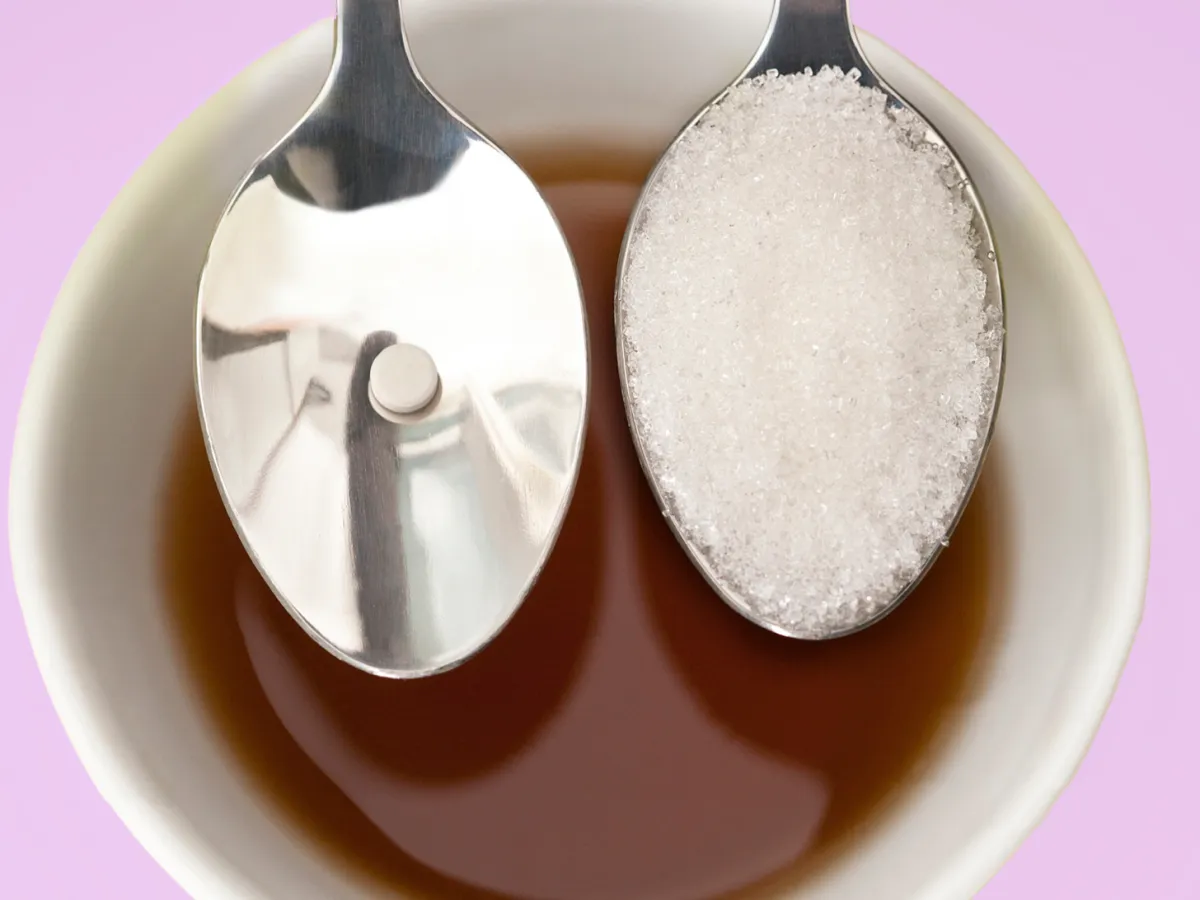
New Delhi, 15 October, 2025: In the modern wellness world, the war on sugar is louder than ever. With rising rates of obesity, type 2 diabetes, and heart disease, many people are seeking healthier alternatives to refined sugar. But the question remains: are sugar-free products or artificial sweeteners really better for your health—or are they just clever marketing tricks?
From zero-calorie sweeteners to sugar-free snacks, consumers are flooded with options. Understanding what these substitutes actually are and how they affect your body is crucial to making informed choices.
The Problem with Regular Sugar
Before diving into sugar alternatives, it’s important to understand why excessive sugar intake is a health concern.
- Empty Calories: Sugar provides energy but lacks essential nutrients.
- Blood Sugar Spikes: It causes rapid rises and falls in blood glucose, which can lead to insulin resistance over time.
- Weight Gain: High sugar intake contributes to fat accumulation, especially around the abdomen.
- Increased Risk of Chronic Diseases: Regular consumption is linked to obesity, diabetes, heart disease, fatty liver, and inflammation.
- Addictive Properties: Sugar activates reward pathways in the brain, making it difficult to cut back.
This has driven many people to look for healthier ways to satisfy their sweet tooth—enter sugar-free products and artificial sweeteners.
What Does “Sugar-Free” Really Mean?
“Sugar-free” often refers to products that don’t contain traditional table sugar (sucrose). However, it doesn’t always mean the product is free of sweetness.
Sugar-free products typically use:
- Artificial sweeteners (like aspartame or sucralose)
- Sugar alcohols (like xylitol or erythritol)
- Natural alternatives (like stevia or monk fruit)
The goal is to reduce calorie content while maintaining sweetness. But not all sugar substitutes are created equal.
Understanding Artificial Sweeteners
Artificial sweeteners are synthetic sugar substitutes that provide little to no calories. They are hundreds of times sweeter than sugar, so only small amounts are needed. Common examples include:
- Aspartame – often found in diet sodas and sugar-free desserts.
- Sucralose – widely used in baking and beverages.
- Saccharin – one of the oldest artificial sweeteners.
- Acesulfame potassium (Ace-K) – often blended with other sweeteners.
These sweeteners are generally approved for use by health authorities in many countries, but they remain a topic of ongoing research and debate.
Natural Zero-Calorie Sweeteners
Unlike artificial sweeteners, natural alternatives are derived from plants.
- Stevia: Extracted from the stevia plant, it’s known for being intensely sweet without raising blood sugar.
- Monk Fruit: Gaining popularity for its natural origin and mild taste.
These options are often considered “cleaner” by health-conscious consumers, though they may still require moderation.
Sugar Alcohols: A Middle Ground
Sugar alcohols are another popular sugar substitute in sugar-free products. Common types include:
- Xylitol
- Erythritol
- Sorbitol
They contain fewer calories than sugar, don’t cause dramatic blood sugar spikes, and are less likely to contribute to tooth decay. However, in large amounts, they can cause digestive discomfort like bloating or gas.
How These Alternatives Affect Your Body
1. Blood Sugar Control
- Regular sugar raises blood glucose rapidly.
- Artificial sweeteners generally don’t cause spikes in blood sugar, making them attractive for people with diabetes.
- Sugar alcohols have a minimal impact on blood sugar, though the effect varies by type.
- Natural sweeteners like stevia and monk fruit do not raise glucose levels, making them suitable alternatives.
2. Weight Management
One of the main reasons people switch to sugar-free products is weight control.
- Artificial sweeteners provide sweetness without calories, which can help reduce total caloric intake.
- However, some studies suggest they might increase cravings for sweet foods, leading to overeating in some individuals.
- Sugar alcohols and natural sweeteners offer lower-calorie options without the same appetite stimulation effects seen with some artificial sweeteners.
3. Gut Health
Emerging research indicates that artificial sweeteners may impact the gut microbiome, which plays a crucial role in digestion, immunity, and metabolism.
- Some artificial sweeteners have been shown to alter gut bacteria, potentially leading to glucose intolerance or metabolic changes.
- Natural sweeteners and sugar alcohols may be gentler on the gut, though excessive intake of sugar alcohols can cause bloating or diarrhea.
4. Dental Health
Unlike sugar, artificial sweeteners and sugar alcohols don’t contribute to tooth decay. In fact, xylitol is sometimes used in toothpaste and gum to help protect enamel.
5. Hormonal and Metabolic Effects
There’s ongoing debate about how artificial sweeteners affect appetite-regulating hormones. Some studies suggest they might trick the brain into craving more calories, while others show neutral or positive effects.
Potential Concerns with Artificial Sweeteners
While generally recognized as safe by regulatory bodies, artificial sweeteners come with a few cautions:
- Digestive Sensitivity: Some individuals experience headaches, bloating, or discomfort.
- Altered Appetite: For some, artificial sweeteners increase cravings for sweet or high-calorie foods.
- Long-Term Impact Unclear: More studies are needed on how prolonged use may affect metabolism and gut health.
Moderation is key, and not all sweeteners affect everyone in the same way.
Benefits of Sugar-Free Options
- Reduced calorie intake
- Better blood sugar control
- Lower risk of cavities
- Useful tool for managing diabetes and weight
Sugar-free products can support a healthier diet when used mindfully and as part of a balanced eating pattern.
When Sugar-Free Isn’t Actually Healthy
Just because something is labeled “sugar-free” doesn’t make it healthy. Many sugar-free snacks and drinks are still highly processed, containing preservatives, unhealthy fats, or sodium.
Examples:
- Diet sodas may be sugar-free but lack nutrients and may disrupt gut health.
- Sugar-free desserts can still be calorie-dense.
- Sweeteners can condition your taste buds to crave more sweetness, making it harder to enjoy naturally flavored foods.
Tip: Always read labels. A short ingredient list is usually a good sign.
Best Sweetener Choices Depending on Your Goals
- For weight loss: Stevia, monk fruit, or small amounts of sugar alcohols can be helpful.
- For blood sugar control: Stevia and monk fruit are best options.
- For general use: Reducing overall sweetness (even from substitutes) is healthier than replacing sugar with large amounts of sweeteners.
- For baking: Sucralose or blends of natural sweeteners work best as sugar substitutes.
Practical Tips for Using Sweeteners Wisely
- Don’t Rely on Them Entirely: Sweeteners should be a bridge, not a crutch. Gradually reduce your sweet preference over time.
- Choose Natural Options When Possible: Stevia and monk fruit are less likely to cause side effects.
- Be Aware of Hidden Sweeteners: Check ingredient labels for multiple types of sweeteners in one product.
- Listen to Your Body: If you notice digestive discomfort or increased cravings, adjust your intake.
- Balance with Whole Foods: Fruits, vegetables, whole grains, and proteins should be the foundation of your diet—not sweetened products.
What Experts Say
Health experts generally agree that cutting down on added sugar is one of the best steps you can take for your overall health.
- For people with diabetes, using sugar substitutes in moderation can help manage blood sugar levels.
- For weight management, sweeteners may help reduce calorie intake—but they’re not a magic fix.
- Long-term health is best supported by minimizing both sugar and sweeteners and embracing a diet rich in whole, unprocessed foods.
The Future of Sweeteners
As consumer demand grows, food scientists are developing new natural sweeteners that taste more like sugar without the health downsides. Options derived from plants and fruits are gaining traction over artificial chemicals.
There’s also a growing trend toward retraining the palate to enjoy less sweetness altogether. By doing this, people can reduce sugar and sweetener use naturally.
The battle between sugar-free products and artificial sweeteners isn’t about choosing a perfect option—it’s about making better, informed choices.
- Regular sugar, when consumed in excess, is harmful to health.
- Artificial sweeteners offer a calorie-free alternative but should be used wisely.
- Natural sweeteners like stevia and monk fruit may be a safer, more balanced choice.
- Ultimately, the best strategy is to reduce your overall sweetness preference and build your diet around real, nutrient-rich foods.
Cutting sugar doesn’t have to mean giving up sweetness altogether. It’s about finding a healthy balance that works for your body.

















Leave a comment