

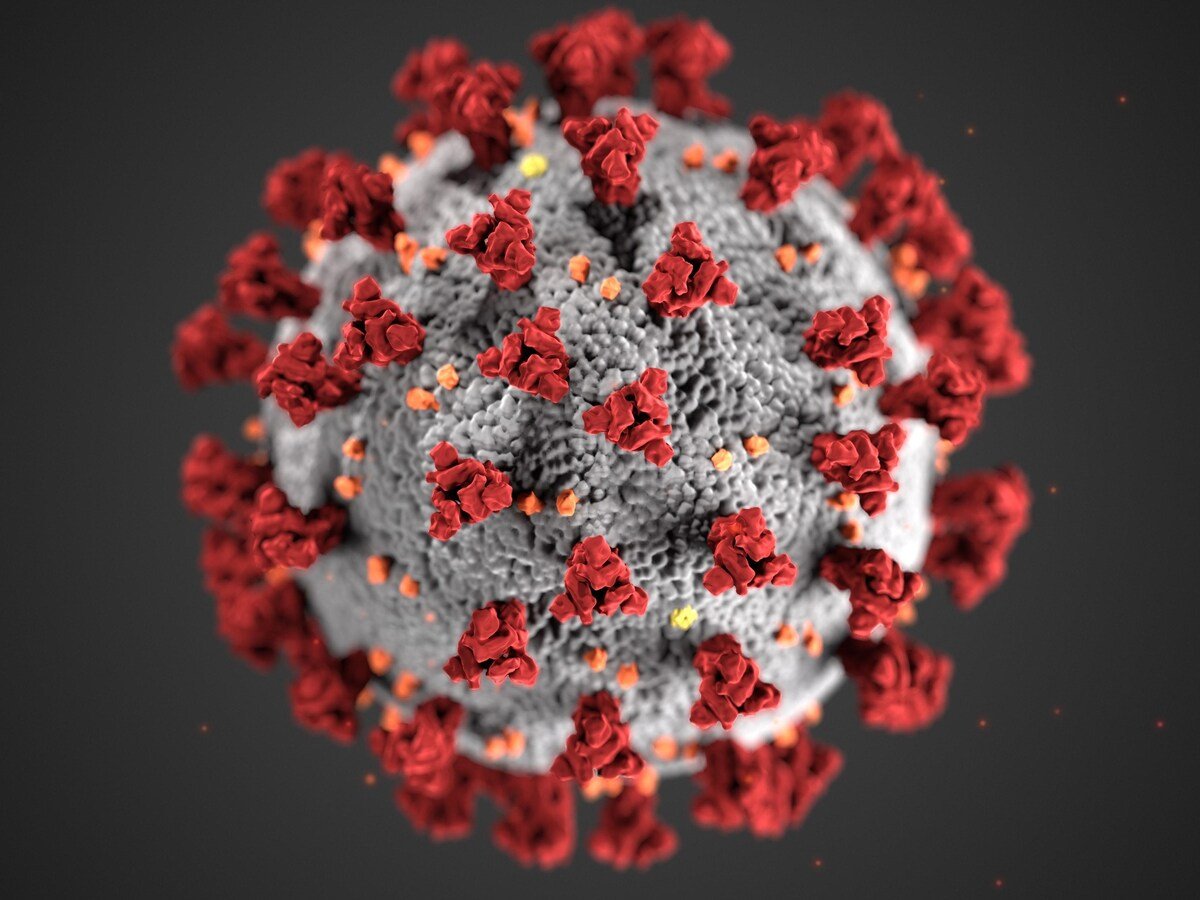
New Delhi, August 27: Recent research has revealed that specific changes in the spike protein of the SARS-CoV-2 virus. The virus that causes COVID-19, have allowed it to gain entry into the human brain. This discovery has significant implications for understanding the long-term neurological consequences of COVID-19 infection.
Previous studies have linked coronavirus to a range of neurological symptoms, including brain fog, fatigue, and headaches. However, the exact mechanisms by which the virus can infect the brain have remained unclear.
The new research, published in the journal Cell Host & Microbe, examined the genetic mutations that have occurred in the spike protein of the SARS-CoV-2 virus over time. The researchers found that certain mutations have enabled the virus to bind to a specific receptor on brain cells. Allowing it to enter and infect the brain tissue.
This finding provides a potential explanation for the neurological symptoms experienced by some individuals with COVID-19. It also raises concerns about the long-term consequences of the virus on brain health.
The Implications of Brain Infection
The ability of the SARS-CoV-2 virus to infect the brain has several implications:
- Long-Term Neurological Effects: The virus may cause lasting damage to brain cells. Leading to long-term neurological symptoms such as cognitive impairment, mood disorders, and even neurodegenerative diseases.
- Increased Risk of Neurodegenerative Diseases: Brain infection could potentially increase the risk of developing Alzheimer’s disease and Parkinson’s disease.
- Need for Further Research: The discovery of the virus’s ability to infect the brain highlights the need for further research to understand the long-term consequences of COVID-19 infection and to develop effective treatments.
COVID: Prevention and Treatment
While the research suggests that the SARS-CoV-2 virus can infect the brain, it’s important to note that the risk of severe neurological complications remains relatively low for most people. Vaccination remains the most effective way to prevent severe COVID-19 infection and its associated complications.
Read Also – Global Strategy to Combat Mpox: WHO Launches Preparedness and Response Plan
If you are experiencing persistent neurological symptoms after recovering from COVID-19, it’s important to consult with a healthcare professional for evaluation and treatment. The discovery that the SARS-CoV-2 virus can infect the brain has significant implications for our understanding of the long-term consequences of COVID-19 infection. By staying informed about the latest research and taking steps to prevent COVID-19 infection, individuals can help protect their brain health and reduce the risk of long-term complications.
















Leave a comment