

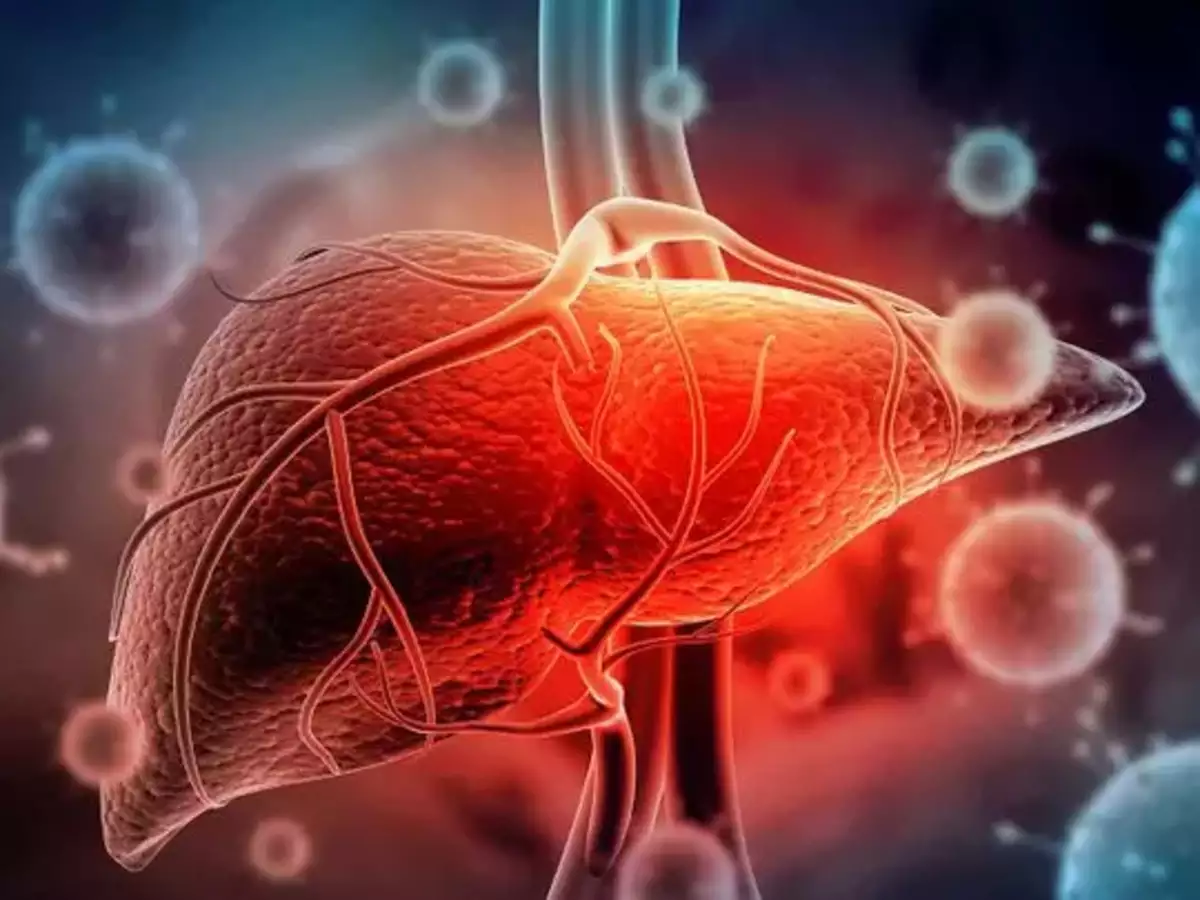
New Delhi, 21 October 2025: Chronic liver disease (CLD) is emerging as a global health crisis, silently affecting millions and causing thousands of deaths annually without many people realizing the dangers. Health experts worldwide are raising the alarm about this progressive condition, which damages the liver over time, leading to life-threatening complications such as cirrhosis, liver failure, and liver cancer. Often asymptomatic in its early stages, chronic liver disease is frequently diagnosed late, making timely intervention challenging. This article explores the causes, warning signs, risk factors, and crucial preventive measures you need to know to protect yourself from this silent killer.
What Is Chronic Liver Disease?
Chronic liver disease refers to a group of conditions that cause long-term damage to the liver. The liver, a vital organ responsible for detoxification, nutrient metabolism, and immune regulation, gradually loses its ability to function when affected by diseases such as hepatitis B and C, alcoholic liver disease, and non-alcoholic fatty liver disease (NAFLD). The damage accumulates slowly over months or years, often progressing to fibrosis and cirrhosis—where healthy liver tissue is replaced with scar tissue, severely impairing liver function.
Major Causes and Risk Factors
The main causes of chronic liver disease vary across populations but largely include viral hepatitis infections (particularly hepatitis B and C), excessive alcohol consumption, obesity, and metabolic disorders such as diabetes. Non-alcoholic fatty liver disease is rapidly increasing worldwide due to rising obesity rates and sedentary lifestyles, making it one of the leading causes of CLD today. Other factors like certain medications, genetic disorders, and autoimmune diseases also contribute to liver damage. Risk factors that increase susceptibility include chronic alcohol abuse, unprotected sex, intravenous drug use, poor diet, and lack of vaccination against hepatitis viruses.
Warning Signs You Should Not Ignore
Because chronic liver disease often develops silently, early symptoms can be vague and easily overlooked. Fatigue, weakness, unexplained weight loss, nausea, and loss of appetite are common initial signs. As the disease progresses, more specific symptoms may appear such as yellowing of the skin and eyes (jaundice), abdominal pain and swelling, dark urine, pale stools, and persistent itching. In advanced stages, patients may experience confusion, bleeding tendencies, and fluid accumulation in the abdomen (ascites). Recognizing these symptoms early and seeking medical advice can significantly improve outcomes.
How Is Chronic Liver Disease Diagnosed?
Diagnosis typically involves a combination of medical history evaluation, physical examination, blood tests to assess liver function and detect viral infections, imaging studies like ultrasound or CT scans, and sometimes a liver biopsy to determine the extent of liver damage. Regular screening is recommended for high-risk individuals such as those with a history of hepatitis, heavy alcohol use, or metabolic syndrome.
Preventive Measures and Lifestyle Changes
The good news is that many cases of chronic liver disease can be prevented or managed effectively with timely intervention and lifestyle changes. Experts strongly advise avoiding excessive alcohol consumption, maintaining a healthy weight through a balanced diet and regular exercise, and getting vaccinated against hepatitis B. For those diagnosed with viral hepatitis, early antiviral treatment can prevent progression to cirrhosis and liver cancer. Regular medical check-ups and liver function tests are crucial for early detection and management. Additionally, minimizing exposure to toxins and certain medications that may harm the liver is essential.
Treatment Options and Management
While chronic liver disease is irreversible in its advanced stages, early diagnosis allows for effective management to slow progression and improve quality of life. Treatment focuses on addressing the underlying cause, such as antiviral therapy for hepatitis, lifestyle modifications for fatty liver disease, and abstaining from alcohol. In cases of cirrhosis or liver failure, patients may require specialized care, including liver transplantation. Supportive therapies to manage symptoms and prevent complications also play a critical role.
Why Awareness Matters
Despite its widespread impact, chronic liver disease remains under-recognized and underdiagnosed in many regions. Raising public awareness about risk factors, symptoms, and the importance of early testing can save countless lives. Health experts emphasize that adopting healthier lifestyles, vaccination, and regular screening are powerful tools in combating this silent epidemic.
Chronic liver disease is a growing health threat that demands urgent attention. Understanding its causes, recognizing early symptoms, and taking proactive steps can protect your liver and prevent serious complications. If you fall into any high-risk category or experience symptoms related to liver dysfunction, consult a healthcare professional immediately. Early intervention is the key to winning the fight against this silent killer.















Leave a comment