

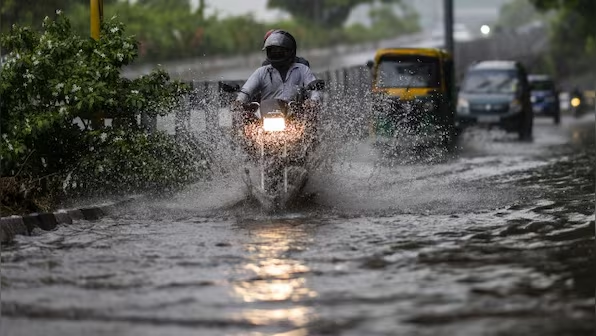
New Delhi, 09 August 2025: Over the last 24 hours, Delhi-NCR has experienced relentless rainfall, leading to widespread waterlogging, traffic disruptions, and mounting health concerns. The Indian Meteorological Department (IMD) has issued a red alert, warning of heavier downpours in the coming days.
While flooded roads, stranded commuters, and power outages have dominated headlines, health experts warn that the real danger comes after the rain — when stagnant water and poor sanitation create a breeding ground for dangerous diseases.
Why Heavy Rain Brings a Surge in Diseases
The monsoon season is notorious for spikes in mosquito-borne and waterborne illnesses. Flooded streets, clogged drains, and contaminated drinking water increase exposure to harmful bacteria, viruses, and parasites.
Key health risks after heavy rainfall include:
- Dengue & Malaria – Spread by mosquitoes that breed in stagnant water.
- Leptospirosis – Caused by water contaminated with animal urine, entering through cuts or skin abrasions.
- Cholera & Typhoid – Result from consuming or using contaminated water.
- Skin & Eye Infections – Develop after prolonged contact with dirty water.
Mosquito-Borne Diseases: A Rising Menace
Stagnant water from flooding creates ideal breeding sites for Aedes and Anopheles mosquitoes, increasing the spread of dengue, chikungunya, and malaria.
- Dengue symptoms: High fever, severe headache, joint and muscle pain, rashes.
- Malaria symptoms: Fever, chills, sweating, fatigue.
Prevention Tips:
- Empty stagnant water from flower pots, buckets, and coolers.
- Apply mosquito repellents and use bed nets.
- Wear full-sleeved clothing when stepping outside.
Waterborne Diseases: The Hidden Danger
Floodwater often mixes with sewage, contaminating drinking water supplies. Diseases like cholera and typhoid spread rapidly during such conditions.
- Cholera symptoms: Severe diarrhea, vomiting, dehydration.
- Typhoid symptoms: Prolonged fever, abdominal pain, loss of appetite.
Safe Drinking Water Tips:
- Boil tap water before use.
- Use water purifiers or drink bottled water.
- Carry ORS packets for rehydration during illness.
Leptospirosis — The Lesser-Known Monsoon Threat
Often overlooked, leptospirosis spreads when people come in contact with water contaminated by rodent urine. It enters the body through skin cuts or abrasions and can cause serious complications if untreated.
Symptoms: High fever, headache, muscle aches, vomiting, jaundice.
Prevention: Avoid walking barefoot in floodwater and cover wounds with waterproof bandages.
Skin and Eye Infections in the Monsoon
Prolonged exposure to dirty water can cause fungal infections, athlete’s foot, eczema flare-ups, and eye infections like conjunctivitis.
Care Tips:
- Keep feet dry and clean.
- Use medicated talcum powders.
- Wash eyes with clean water if irritation occurs.
Monsoon Safety Guide for Delhi-NCR Residents
- Prevent Mosquito Breeding
- Clear stagnant water regularly.
- Ensure overhead tanks are covered.
- Ensure Safe Water Consumption
- Avoid roadside beverages.
- Store drinking water in clean, covered containers.
- Maintain Personal Hygiene
- Wash hands frequently.
- Keep wounds covered.
- Change out of wet clothes immediately.
- Eat Fresh, Hot Meals
- Avoid raw salads during monsoon.
- Prefer freshly cooked meals.
- Stay Updated on Weather Alerts
- Follow IMD updates before leaving home.
- Avoid unnecessary travel during red alerts.
When to Seek Medical Help
If you experience fever, chills, persistent cough, severe diarrhea, vomiting, or rashes, seek medical attention immediately. Early treatment prevents complications from dengue, malaria, typhoid, and leptospirosis.
Authorities Step Up Measures
Local municipal bodies are conducting fogging drives, clearing drains, and deploying emergency teams. However, individual vigilance is equally important in reducing disease spread.
The ongoing heavy rains in Delhi-NCR are not just an inconvenience — they’re a serious public health hazard. With mosquito-borne and waterborne diseases thriving in post-rain conditions, preventive steps are your first defense.
By ensuring clean surroundings, safe drinking water, personal hygiene, and timely medical attention, you can protect yourself and your family during this risky monsoon season.rself and your loved ones this rainy season.

















Leave a comment