

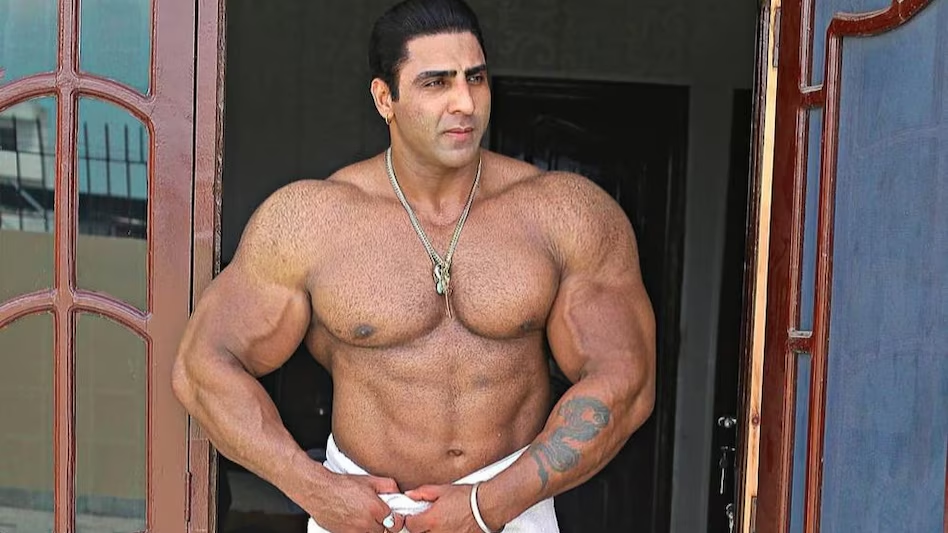
New Delhi, 10 October, 2025: The sudden demise of Varinder Singh Ghuman, a popular Punjabi actor and professional bodybuilder, has sent shockwaves across India’s fitness and entertainment industry. Known for his muscular physique and active lifestyle, his death has once again raised a critical question: Why are even young and fit people suffering from sudden heart attacks?
Ghuman’s case isn’t isolated. In recent years, multiple incidents involving athletes, gym-goers, and seemingly healthy individuals have made headlines. Experts say this pattern is a wake-up call — fitness on the outside doesn’t always guarantee heart health on the inside.
This article explores the underlying causes of heart attacks in fit individuals, key warning signs, and preventive measures that can save lives.
Who Was Varinder Singh Ghuman?
Varinder Singh Ghuman was an internationally renowned bodybuilder and a well-known face in Punjabi cinema. He was one of India’s first vegetarian professional bodybuilders and had earned several titles in international competitions. His dedication to fitness made him an icon among youth and aspiring athletes.
His sudden death has left many stunned — especially because he represented peak physical fitness. This tragedy has intensified public concern about why such incidents are becoming alarmingly frequent.
Heart Attack Doesn’t Always Target the Unhealthy
Most people associate myocardial infarction (heart attack) with obesity, sedentary lifestyles, or poor diet. While these are indeed major risk factors, cardiologists warn that heart disease can affect anyone, including:
- Athletes
- Gym regulars
- Young adults
- Individuals with “normal” weight and cholesterol levels
Dr. A.K. Sharma, a leading cardiologist, explains:
“What we often fail to realize is that external fitness is not always equal to internal cardiovascular health. A person may look fit, but silent damage may be occurring inside their arteries.”
The Hidden Risks Behind “Fitness”
1. Overtraining and Excessive Strain on the Heart
While regular exercise is protective against heart disease, excessive high-intensity training without proper recovery can stress the heart. Long-term overexertion can lead to:
- Elevated blood pressure
- Irregular heart rhythms (arrhythmias)
- Heart muscle thickening
This is why endurance athletes sometimes face higher risks if their training isn’t balanced with rest.
2. Undetected Heart Conditions
Some fit individuals may harbor silent cardiac conditions without knowing it. These include:
- hypertrophic cardiomyopathy – thickening of the heart muscles, common in athletes
- arrhythmogenic right ventricular cardiomyopathy – an electrical disturbance in the heart
- Congenital heart defects
Because symptoms can be subtle or absent, these issues may remain undiagnosed — until a cardiac event occurs.
3. Genetic Predisposition
Family history plays a major role in heart disease. Even if someone eats well, exercises regularly, and doesn’t smoke, genetics can increase their risk of sudden heart problems. A parent or sibling with early-onset heart disease doubles the risk.
4. Anabolic Steroids and Supplement Misuse
In the fitness and bodybuilding world, the use of performance-enhancing drugs or unregulated supplements can have serious cardiovascular consequences. These substances:
- Raise blood pressure
- Increase cholesterol imbalance
- Contribute to atherosclerosis (plaque buildup)
- Elevate the risk of blood clots
Even so-called “natural” supplements, if taken in excess, can stress the heart and liver.
5. Chronic Stress and Elevated Cortisol
Athletes and fitness enthusiasts often maintain rigid routines, and for some, the pressure to perform can lead to chronic stress. Stress hormones like cortisol can:
- Increase heart rate and blood pressure
- Trigger inflammation in blood vessels
- Accelerate plaque rupture
This combination can set the stage for sudden cardiac events.
Early Warning Signs Many Ignore
Heart problems often don’t strike out of nowhere. Experts say many people ignore subtle symptoms that can precede a heart attack — especially those who consider themselves “fit.”
Warning signs may include:
- Sudden fatigue or breathlessness during workouts
- Chest pressure or discomfort
- Dizziness or fainting
- Irregular heartbeat or palpitations
- Pain in the jaw, neck, or left arm
- Unusual sweating not explained by exercise
Dr. Sandeep Mehta, a cardiothoracic surgeon, notes:
“Many fit individuals brush off these symptoms as workout fatigue or muscle soreness. That delay in seeking help can be fatal.”
Preventing Heart Attacks in Fit People
While you can’t control genetics, several steps can significantly lower your risk, even if you are fit:
1. Get Regular Cardiac Screenings
- Annual heart check-ups, especially after 30
- Electrocardiogram (ECG) and Echocardiography to detect silent heart issues
- Stress tests for endurance athletes
2. Train Smart, Not Just Hard
- Incorporate rest and recovery days
- Avoid extreme workout regimens without medical clearance
- Listen to your body and scale intensity when needed
3. Be Honest About Supplement Use
- Avoid anabolic steroids or unverified supplements
- Consult a qualified sports nutritionist
- Stick to medically approved formulations
4. Manage Stress Holistically
- Practice deep breathing, yoga, or mindfulness
- Prioritize adequate sleep
- Avoid overtraining or mental burnout
5. Know Your Family History
- If your family has a history of heart disease, start screenings earlier
- Lifestyle modifications can help counter genetic risks
The Rising Trend of Heart Attacks in Young India
India has witnessed a sharp rise in heart attacks among people under 40 in recent years. Cardiologists attribute this to a combination of lifestyle factors, stress, undiagnosed conditions, and supplement misuse. Social media has also amplified the culture of “extreme fitness,” sometimes encouraging unsafe practices.
What’s alarming is that these events are not confined to sedentary people — they’re happening to marathoners, gym trainers, and athletes too.
Fitness Is Not Immunity
The tragic death of Varinder Singh Ghuman is a reminder that heart health must be taken seriously, regardless of how fit someone appears. A muscular physique and intense workout routine don’t make one invincible.
Cardiologists urge people — especially those involved in intense physical training — to:
- Get routine heart screenings
- Listen to their bodies
- Avoid shortcuts like steroids
- Focus on overall health, not just visible muscle.
Heart attacks are complex events with multiple contributing factors. While exercise is a cornerstone of good health, it must be balanced with medical awareness, stress management, and responsible habits.
Ghuman’s untimely passing is tragic, but it can serve as a powerful message:
Don’t just train for strength — train for heart health, too.

















Leave a comment