

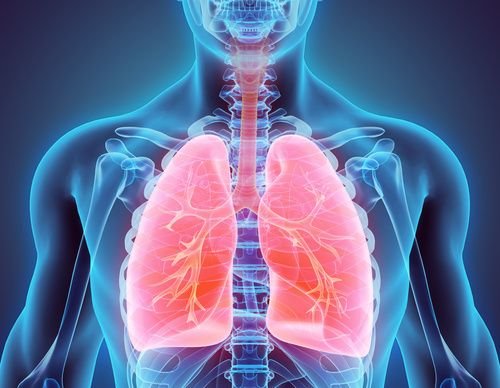
New Delhi, 13 July 2025: A rare and deadly disease has returned to the spotlight after a confirmed case of pneumonic plague led to a fatality in Arizona, prompting health officials to issue a statewide alert. The pneumonic plague, one of the three main types of plague caused by the Yersinia pestis bacterium, is considered the most virulent form due to its ability to spread through respiratory droplets from person to person. While the plague is often associated with medieval pandemics, cases still emerge occasionally, especially in parts of the western United States. The recent death has raised concerns about public awareness, early diagnosis, and the importance of timely medical intervention in preventing further infections.
What Is Pneumonic Plague and How Is It Transmitted?
Pneumonic plague is a severe lung infection that develops when the Yersinia pestis bacteria infect the lungs. This form of plague can arise either primarily through inhalation of infectious droplets or secondarily when the infection spreads from the bloodstream to the lungs in a person with bubonic or septicemic plague. Unlike other forms of the disease, pneumonic plague is highly contagious and can spread from person to person without the involvement of fleas or animals. This mode of transmission makes it particularly dangerous, especially in densely populated areas. Infected individuals may unknowingly transmit the bacteria to others through coughing or sneezing, causing rapid outbreaks if not contained early.
Early Symptoms of Pneumonic Plague You Should Never Ignore
The symptoms of pneumonic plague often resemble severe respiratory illnesses, making early detection challenging. Common early signs include sudden onset of fever, chills, headache, muscle aches, weakness, chest pain, cough, and difficulty breathing. As the disease progresses, coughing may produce bloody or watery sputum, and breathing issues can rapidly worsen. Without treatment, pneumonic plague can lead to respiratory failure and death within 24 to 72 hours of symptom onset. Because of its aggressive nature, recognizing symptoms early and seeking urgent medical help is critical to survival and containment.
Why the Arizona Case Has Triggered Public Health Concern
Health authorities have responded swiftly to the recent case, launching contact tracing efforts and issuing alerts to hospitals and clinics to be vigilant. Although human cases of plague are rare in the United States, they do occur sporadically, especially in rural or semi-rural areas where the bacterium may circulate among wild rodents and their fleas. The concern with pneumonic plague lies in its potential to spread through human-to-human contact, unlike the more common bubonic plague, which typically requires a bite from an infected flea. The Arizona fatality has raised questions about the possible source of exposure and whether others may be at risk due to delayed diagnosis or missed signs.
Is There a Cure for Pneumonic Plague? Understanding Treatment and Prevention
Fortunately, pneumonic plague is treatable if caught early. The key to effective treatment is the prompt use of antibiotics such as streptomycin, gentamicin, or doxycycline. If administered within the first 24 hours of symptom onset, these medications can significantly reduce the risk of death. However, delayed treatment increases the fatality risk substantially. In addition to medication, patients are often isolated to prevent airborne transmission. Preventive antibiotics may also be prescribed to close contacts. Public health experts emphasize the importance of awareness, early detection, and avoiding contact with sick animals or rodents in affected areas.
How to Protect Yourself from Pneumonic Plague in Affected Regions
Residents and travelers in plague-endemic areas should take basic precautions to reduce their risk of infection. Avoid handling sick or dead animals, prevent flea bites by using insect repellent, and keep pets free of fleas. If you develop flu-like symptoms after visiting rural areas or coming into contact with rodents or their droppings, seek immediate medical attention. Health departments routinely monitor rodent populations and issue warnings when plague activity is detected, so staying informed through local health alerts is crucial for early protection.
The reappearance of pneumonic plague in Arizona is a stark reminder that even rare infections can surface unexpectedly. While panic is unwarranted, public awareness, hygiene, early medical attention, and responsive health systems are key to preventing isolated cases from becoming outbreaks. As global travel and changing environmental conditions influence the spread of infectious diseases, being informed about even the rarest illnesses is more important than ever.














Leave a comment