

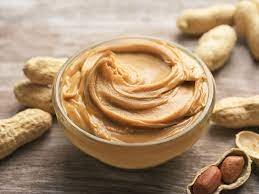
Peanut butter is a smooth spread made from roasted peanuts. It is delicious and can be used to spread it on a toast, use as a dip for smoothies or even add to smoothies. When eaten in moderate amount, peanut butter can be a nutritious choice for your diet. It is a good source of minerals, vitamins, healthy fats, and protein.
Let us look at how peanut butter fits into a balanced diet for weight management:
- Nutrient Density: Peanut butter has a high nutritional content despite its high calorie content. In addition to fibre, protein, good fats, and necessary vitamins and minerals, peanut butter also has bioactive ingredients including phytochemicals and antioxidants. These substances contribute to overall health in several ways, such as by lowering inflammation and boosting immunity. Therefore, although it should be considered high in calories, peanut butter is a great addition to a balanced diet due to its nutritional benefits.
- Cravings and Satiety: The satiating qualities of peanut butter can help reduce cravings and stop overindulging. Protein, fat, and fibre work together to promote feelings of fullness and pleasure, which can help curb the desire to eat unhealthy snacks in between meals. When you incorporate peanut butter into your meals or snacks, you’ll be able to withstand the need to eat high-calorie, low-nutrient items and feel fuller for longer.
- Versatility in Meal Planning: Due to its adaptability, peanut butter is a practical choice for both meal preparation and planning. It can be used to add taste, texture, and nutrients to a variety of foods, including breakfast and dessert. Peanut butter adds vital nutrients to food and improves its taste and satiety when it is used as a spread, dip, or component in recipes. You may maintain your diet and achieve your weight management objectives without feeling deprived by experimenting with different methods to incorporate peanut butter into your meals.
- Glycaemic Control: The nutritional makeup of peanut butter also helps in regulating blood sugar levels. The absorption of carbs from other foods eaten with peanut butter is slowed down by the presence of protein and good fats. This delayed digestion can help to better control hunger and lessen cravings for sweet or high-carb foods by preventing blood sugar rises that occur too quickly. Controlling blood sugar levels is essential for maintaining a healthy weight since it encourages fat burning and helps avoid consuming too many calories.
- Sustainable Energy: Peanut butter’s protein, fibre, and good fats all work together to provide steady energy levels. Unlike refined carbohydrates or sugary snacks, which can lead to energy surges and crashes, peanut butter releases energy gradually, keeping you alert and focused all day. This constant energy can help with weight management by decreasing the chance that hunger or exhaustion would lead you to go for bad, high-calorie snacks.
Knowing how peanut butter affects overall nutrition and satiety can help you choose how much of it to include in your diet to effectively manage your weight.
















Leave a comment