

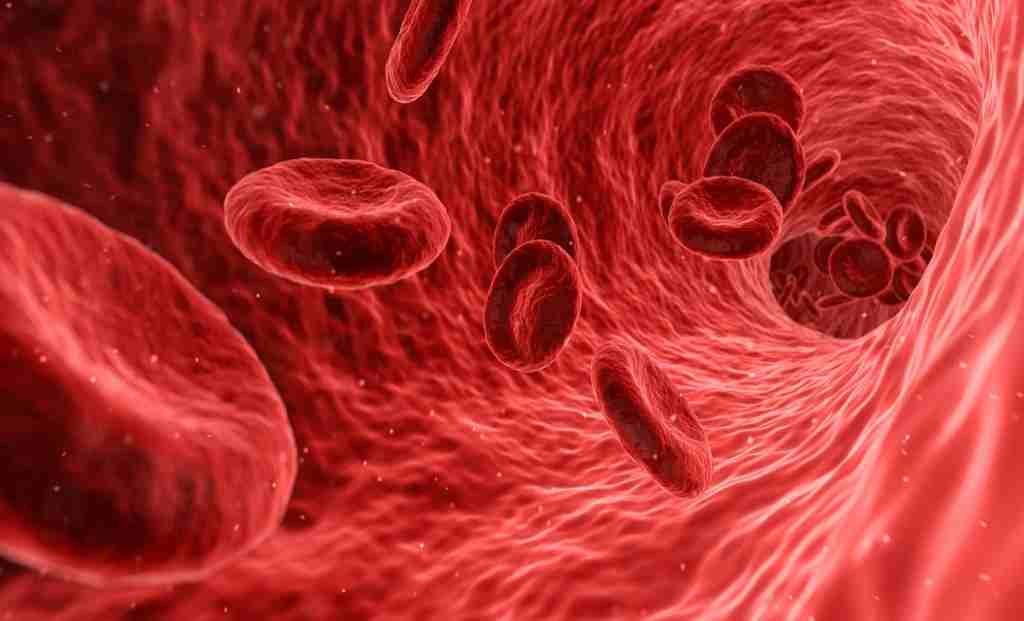
New Delhi, 12 December 2024: A groundbreaking study has uncovered a significant and alarming connection between air pollution and the development of dangerous blood clots, offering new insights into the broader health consequences of polluted air. The findings serve as a wake-up call to address the growing public health challenge posed by environmental hazards.
The study, conducted by a team of international researchers and published in a leading medical journal, focused on the impact of fine particulate matter (PM2.5) in the air. PM2.5 refers to microscopic particles less than 2.5 microns in diameter, small enough to penetrate deep into the lungs and enter the bloodstream.
Researchers analyzed data from urban populations exposed to varying levels of air pollution over several years. They discovered that higher exposure to PM2.5 significantly increased the risk of venous thromboembolism (VTE), a condition encompassing deep vein thrombosis (DVT) and pulmonary embolism (PE). These conditions can lead to life-threatening complications, including stroke and heart attack.
Air Pollution’s Effect on the Body
The study highlights how air pollution exacerbates blood clot formation:
Inflammatory Response: Inhalation of fine particulate matter triggers systemic inflammation, making blood more prone to clotting.
Endothelial Damage: Airborne pollutants damage the endothelial lining of blood vessels, further increasing the risk of clot formation.
Oxidative Stress: PM2.5 exposure leads to oxidative stress, causing the blood to become hypercoagulable, or more likely to clot.
This research adds to the growing body of evidence linking air pollution to cardiovascular diseases and highlights its potential role in worsening global health disparities.
Who Is Most at Risk?
Certain groups are more vulnerable to the harmful effects of air pollution on blood clotting:
Urban Populations: Those living in cities with high pollution levels face heightened risks due to constant exposure to traffic emissions, industrial pollutants, and construction dust.
Elderly Individuals: Older adults are more susceptible due to pre-existing conditions and weaker immune systems.
People with Pre-existing Conditions: Those with diabetes, obesity, or cardiovascular diseases are at an elevated risk of complications from air pollution exposure.
Air pollution is a leading cause of premature deaths worldwide, contributing to over 6.7 million deaths annually, according to the World Health Organization (WHO). The new findings about blood clots underline the urgency of addressing this issue on a global scale.
Regions with lax environmental regulations, heavy industrial activity, or poor air quality monitoring systems face a disproportionate burden of health risks. Countries with rapidly expanding urban centers, such as India and China, must prioritize pollution mitigation efforts to protect public health.
Mitigation Strategies
To address the growing health risks associated with air pollution, both individuals and governments can take action:
Policy Interventions: Governments should enforce stricter emission standards, transition to cleaner energy sources, and invest in sustainable urban planning.
Personal Precautions: Wearing masks, using air purifiers indoors, and avoiding outdoor activities during high pollution days can reduce personal exposure.
Awareness Campaigns: Public health organizations should educate communities about the risks of air pollution and promote preventive measures.
The study’s findings emphasize the need for a collaborative approach to tackle the dual threats of air pollution and blood clot-related diseases. Funding for further research, cross-sector partnerships, and stricter environmental policies are vital in mitigating these health risks.
The newly uncovered link between air pollution and blood clots adds to the long list of reasons why addressing air quality is critical. With millions of lives at stake, immediate action is essential to combat the silent but deadly impacts of pollution. This study serves as a clarion call for global leaders to prioritize environmental health and ensure a safer, healthier future for all.
















Leave a comment