
Home Latest News New Study Explains Why Treatments for Autoimmune and Inflammatory Diseases Increase TB Risk
Latest News

New Study Explains Why Treatments for Autoimmune and Inflammatory Diseases Increase TB Risk

Share
TB
TB
Share

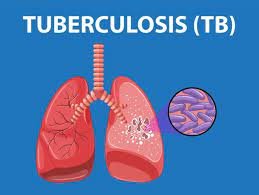
A recent study has revealed how a protein produced by immune cells, commonly used in treatments for autoimmune and inflammatory diseases, increases the risk of tuberculosis (TB). While TB remains the leading cause of death from infectious diseases globally, only 5% of people infected with Mycobacterium tuberculosis (Mtb) — the bacteria responsible for TB — actually die from it. Mtb primarily affects the lungs and is spread through the air.

The Role of TNF in TB

Scientists have long known that a deficiency in a protein called “tumour necrosis factor” (TNF) can elevate the risk of developing TB. However, new research has challenged previous beliefs about the immune system. Published in the journal *Nature*, the study reveals that a lack of TNF hinders a crucial immune process in the lungs, leading to severe TB infections.

Jean-Laurent Casanova from Rockefeller University in the US explained that TNF plays a protective role in the lungs against TB. However, he noted that otherwise, it has “a limited role in inflammation and immunity.”

The Study of Recurring TB Infections

The research focused on two individuals in Colombia — a 28-year-old woman and her 32-year-old cousin — who experienced recurring TB infections. Both patients were frequently hospitalized with severe lung conditions. Although they initially responded well to anti-TB antibiotics, they fell ill again within a year, despite their immune systems functioning normally.

Genetic Analysis and Key Findings

To understand why these patients kept getting TB, researchers conducted whole-exome sequencing and a genetic analysis of their parents and relatives. The analysis revealed that the two patients were the only members of their extended family with a mutation in the TNF gene, which caused the protein to fail to function properly.

As a result, the patients’ alveolar macrophages, immune cells located in the lungs, were overwhelmed with Mtb. The researchers concluded that the absence of TNF in these cells makes people more vulnerable to airborne TB.

This discovery answers a long-standing question about why TNF inhibitors, used to treat autoimmune and inflammatory diseases, increase the risk of TB. Without TNF, a critical part of the body’s defense against TB is compromised, leading to higher susceptibility to the disease.

Share

Leave a comment

Leave a Reply

Your email address will not be published. Required fields are marked *

Don't Miss

Signs Of Heart Attack
Cardiology

Heart Attack Symptoms Explained: Does the Pain Always Occur on the Left Side? Expert Reveals Warning Signs You Shouldn’t Ignore

In 2026, heart attacks are not limited to the elderly—young people are increasingly facing this serious condition. Before a heart attack occurs, the...

There are many microorganisms that directly harm the stomach.
Diet & NutritionLifestyle & Wellness

Viral gastroenteritis cases amid rising summer heatwave: Tips to protect yourself

As the temperature continues to rise, viral gastroenteritis also known as stomach flu spikes in Mysuru with reports indicating a sharp rise in...

Nephrology

Heatwave alert: How dehydration silently damages your kidneys and hidden risks you must not ignore

With the moderate increase in temperatures in India, the majority of the population is concentrating on being hydrated. Although dehydration is a key...

Lifestyle & Wellness

Pre-pregnancy obesity may raise child’s fatty liver risk by 3 times, warns expert

Planning a pregnancy often focuses on eating well, taking supplements, and going for regular check-ups. However, recent studies indicate that preconceptual health is...

Sir ganga ram hospital (SGRH)
Press Release

Sir Ganga Ram Hospital Celebrates 71st Founder’s Day; Delhi LG Shri Taranjit Singh Sandhu Graces the Occasion

New Delhi: Sir Ganga Ram Hospital celebrated its 71st Founder’s Day with great reverence and enthusiasm, commemorating the enduring legacy of its visionary...

Section title

Related Articles
Latest News

Indian techie dies in California after contracting rare fungal infection: What is valley fever and how dangerous is it?

An Indian technology professional recently lost his life in California after contracting...

Latest News

Creatine for muscle and brain: What science really says about strength, performance and safety

Creatine is the world’s most popular fitness supplement. You may come across...

Latest News

Hantavirus Outbreak: How This Dangerous Rodent-Borne Infection Spreads And The Warning Signs You Should Never Ignore

The recent concerns around hantavirus outbreaks have once again highlighted the dangers...

Latest News

WHO Flags Rare Human-to-Human Spread in Deadly Cruise Ship Hantavirus Outbreak

A rare hantavirus outbreak aboard a cruise ship in the South Atlantic...










