

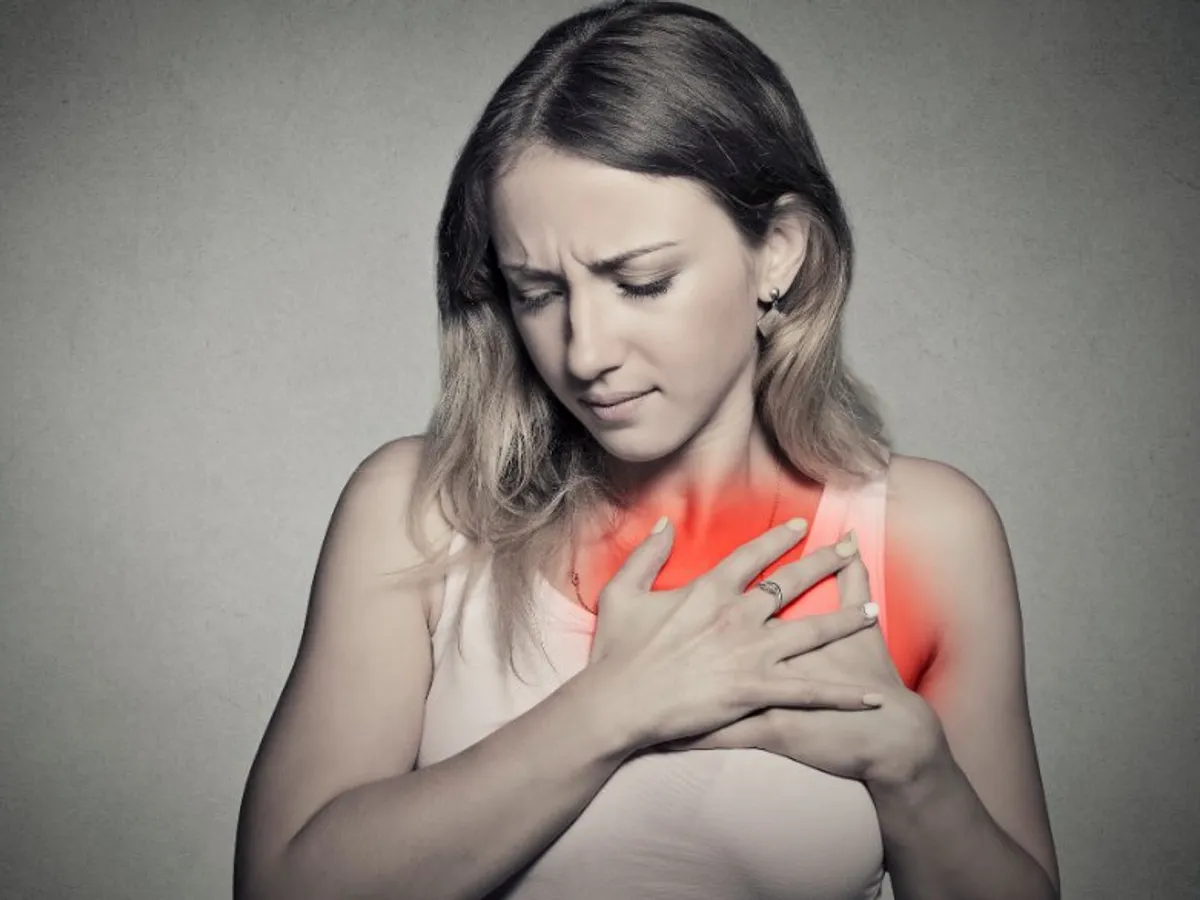
Heart disease and stroke are often perceived as primarily men’s health issues, but new projections reveal a stark reality: nearly 6 in 10 women worldwide could develop cardiovascular disease by 2050. Experts warn that this growing trend is fueled by lifestyle changes, aging populations, and inadequate awareness about risk factors among women. Understanding the causes, symptoms, and preventive measures is crucial to safeguarding heart health in the coming decades.
Cardiovascular diseases (CVDs), which include coronary artery disease, heart attacks, and strokes, are the leading cause of death globally. According to the World Health Organization (WHO), over 17.9 million people die each year from CVDs, and women account for nearly half of these deaths. While heart disease has historically been associated with men, epidemiological data shows that women face unique risks and are increasingly affected as lifestyles evolve.
By 2050, researchers predict that up to 60% of women will develop heart disease or suffer a stroke at some point in their lives. Factors driving this alarming trend include urbanization, sedentary lifestyles, obesity, diabetes, hypertension, and stress — conditions that disproportionately affect women as they juggle multiple responsibilities at work and home.
Heart Attack: Why Women Are at Risk
Unlike men, women often experience subtler symptoms of heart disease, which can lead to delayed diagnosis. While men may report chest pain as the primary warning sign, women are more likely to experience:
Shortness of breath
Fatigue or unusual tiredness
Nausea or indigestion-like discomfort
Pain in the back, jaw, or neck
These atypical symptoms contribute to misdiagnosis or late detection, increasing the severity of heart attacks or strokes when they occur.
Additionally, hormonal changes, particularly during menopause, can elevate cardiovascular risk. Declining estrogen levels affect blood vessel health and cholesterol levels, making postmenopausal women more susceptible to heart disease than before.
Modern lifestyle choices significantly influence cardiovascular health. Sedentary habits, high-calorie diets, smoking, excessive alcohol consumption, and chronic stress all contribute to obesity, high blood pressure, and elevated cholesterol — the key drivers of heart disease.
Women also face unique metabolic challenges, such as gestational diabetes or pregnancy-related hypertension, which can increase long-term heart risk if not monitored and managed effectively.
Steps to Protect Heart Health
The good news is that cardiovascular disease is largely preventable with timely interventions and healthy lifestyle choices. Experts recommend the following:
- Regular Screening: Women should monitor blood pressure, cholesterol, blood sugar, and BMI regularly.
- Early detection of risk factors is crucial.
- Balanced Diet: Prioritize fruits, vegetables, whole grains, lean protein, and healthy fats. Limit sugar, salt, and processed foods.
- Physical Activity: Aim for at least 150 minutes of moderate exercise per week, including walking, swimming, or yoga.
- Stress Management: Mindfulness, meditation, and adequate sleep can help reduce cardiovascular strain.
- Avoid Smoking and Limit Alcohol: Both are major contributors to heart disease and stroke.
- Know the Symptoms: Be alert to atypical signs of heart disease, especially shortness of breath, fatigue, or unusual pain in the upper body.
Healthcare experts emphasize the importance of public awareness campaigns targeting women. Many women underestimate their risk of heart disease, leading to delayed diagnosis and treatment. Empowering women with knowledge about risk factors, lifestyle modifications, and early warning signs can dramatically reduce future cardiovascular events.
With projections suggesting that nearly 6 in 10 women may develop heart disease or experience a stroke by 2050, urgent action is required. Cardiovascular health is not just a personal concern; it is a public health priority. By adopting preventive measures, maintaining a healthy lifestyle, and seeking regular medical check-ups, women can take control of their heart health and significantly reduce their risk.
The message is clear: heart disease is not just a man’s problem, and awareness today can save millions of women tomorrow.

















Leave a comment