


New Delhi, October 12: Mpox (formerly known as monkeypox), a viral disease that causes symptoms similar to smallpox, has been spreading rapidly in Africa, with the death toll recently surpassing 1,000. The number of reported cases has exceeded 38,000, raising concerns about the potential for further escalation of this outbreak. The situation has prompted global health authorities to closely monitor the situation and assess the risks associated with the spread of this highly contagious disease.
What Is Monkeypox Which Has Been Renamed As Mpox By WHO?
Monkeypox is caused by the monkeypox virus, which belongs to the same family as the smallpox virus. The disease primarily affects animals, including rodents and primates, but can also be transmitted to humans through close contact with infected animals or through consumption of contaminated meat. Symptoms of monkeypox in humans include fever, rash, and swollen lymph nodes, with severe cases leading to complications such as pneumonia and encephalitis.
Understanding Its Dangerous Impact
The recent surge in monkeypox cases in Africa has placed a significant strain on healthcare systems in the region. Limited resources and infrastructure have made it challenging to contain the spread of the disease effectively, leading to a high mortality rate among those infected. The situation has raised alarms among public health officials and policymakers, who are working to implement measures to control the outbreak and prevent further casualties.
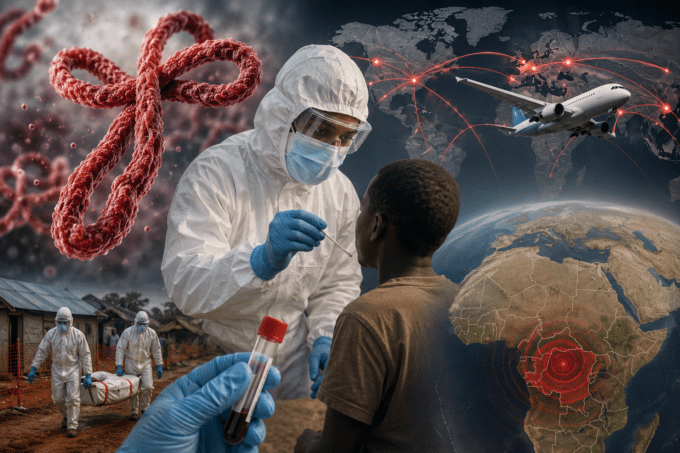
The rapid spread of monkeypox in Africa has raised concerns about the potential for the disease to spread to other regions, including Asia. With international travel facilitating the movement of people across borders, there is a risk of the virus being introduced to new populations, posing a threat to global health security. As such, countries around the world, including India, are closely monitoring the situation and preparing contingency plans to respond to any potential outbreaks.
Mpox Spreading Rapidly: Should India Be Worried?
Given India’s large population and high population density, the country is particularly vulnerable to infectious disease outbreaks. The presence of wildlife species that can serve as reservoirs for the monkeypox virus further increases the risk of transmission to humans. While there have been no reported cases of monkeypox in India thus far, the country remains vigilant and has implemented surveillance measures to detect and respond to any suspected cases promptly.
How Is India Preparing?
In light of the escalating Mpox outbreak in Africa, Indian health authorities have stepped up surveillance efforts at ports of entry and healthcare facilities to screen for potential cases. Public awareness campaigns have also been launched to educate the population about the symptoms of Mpox and the importance of seeking medical attention if they experience any relevant symptoms.
International collaboration and information sharing are essential in addressing global health threats such as monkeypox. India is actively engaged in partnerships with other countries and international organizations to exchange data, expertise, and resources to enhance preparedness and response capabilities. By working together, the global community can effectively mitigate the impact of infectious disease outbreaks and protect public health.
The escalating death toll and rising number of cases of monkeypox in Africa underscore the urgent need for coordinated efforts to control the spread of the disease and prevent further loss of life. While the situation in India remains stable for now, proactive measures and vigilance are crucial to ensure prompt detection and containment of any potential outbreaks.














Leave a comment