

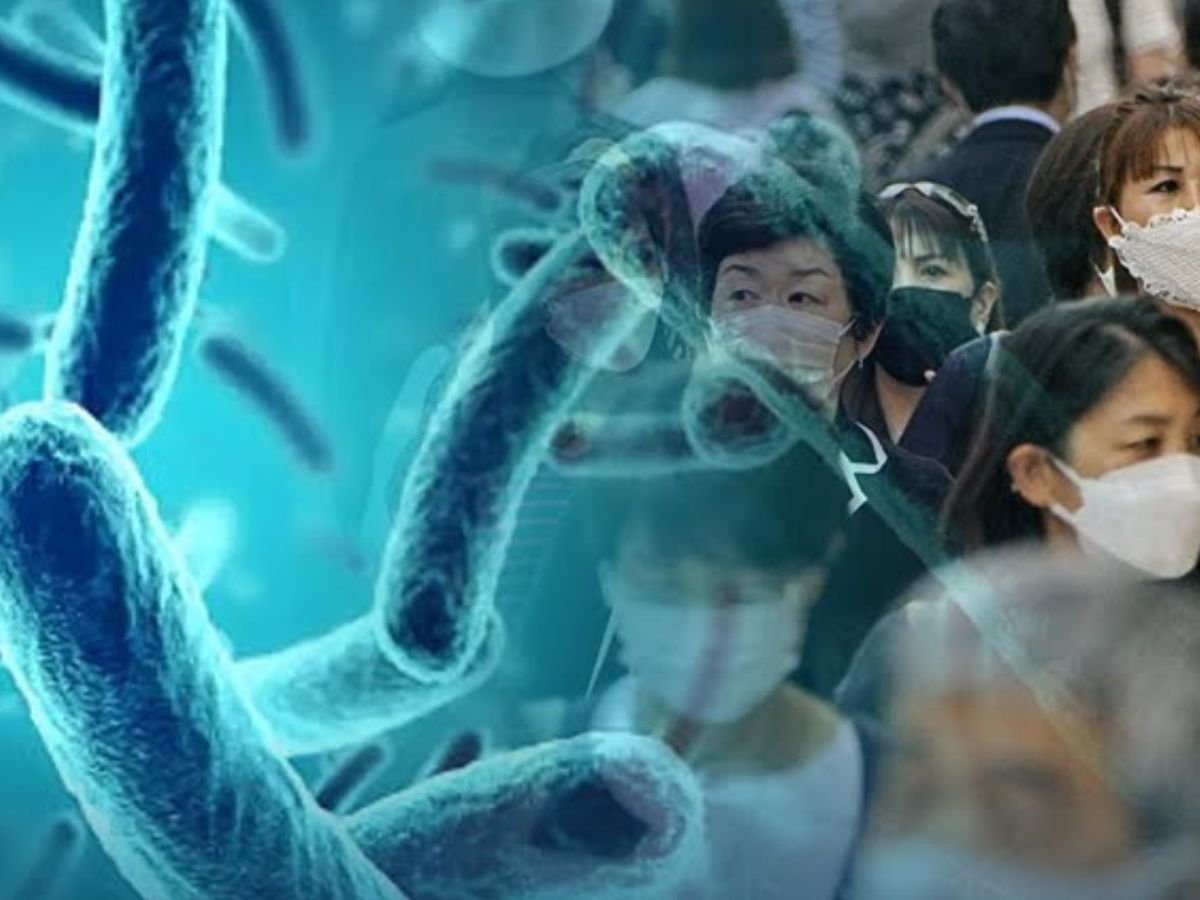
New Delhi, 14 December 2024: Recent scientific warnings have shed light on the alarming potential of “mirror life” bacteria —hypothetical microbes originating from a biochemistry fundamentally different from life as we know it. These entities, often referred to as “shadow biosphere” organisms, could exist on Earth, unnoticed and unexamined due to their unique molecular structures. Now, experts are sounding the alarm about the potential catastrophic consequences such life forms could pose to humanity if they ever emerge as a dominant life system.
What Is ‘Mirror Life’ Bacteria Threat?
Mirror life, or alternative life, is a concept that refers to organisms with biochemistry that operates as a “mirror” to standard Earth-based life. While life on Earth relies on right-handed sugars and left-handed amino acids, mirror life would use the opposite configuration, fundamentally altering its interaction with the environment and making it invisible to most detection methods.
The theoretical existence of such life forms has fascinated scientists for decades, but recent research indicates that conditions on Earth could support these alternative biochemistries. Unlike known microbes, which thrive or perish based on predictable biological interactions, mirror life bacteria could operate in complete isolation from traditional life forms, creating a world within a world.
A Growing Threat or Hypothetical Fear?
The danger posed by mirror life bacteria arises from their potential to disrupt existing ecosystems. Their unique molecular mechanisms could lead to the unchecked spread of diseases or environmental changes that Earth-based life forms have no natural defenses against.
Scientists have theorized that mirror life microbes, if pathogenic, could easily bypass human immune systems. The human body’s defense mechanisms, which evolved to fight familiar biological threats, might fail to recognize or counteract these entirely foreign entities. Additionally, if these organisms compete with traditional bacteria for resources, they could destabilize vital ecosystems, impacting agriculture, medicine, and biodiversity.
Scientific Discoveries and Concerns
Research teams worldwide are investigating areas where mirror life could theoretically thrive—such as extreme environments or isolated ecosystems. A 2023 study conducted by researchers in Antarctica uncovered microbes capable of surviving in extreme conditions, renewing interest in the shadow biosphere hypothesis. While these microbes were not identified as mirror life, their resilience suggests the possibility that undiscovered organisms with unique biochemistry could exist elsewhere on Earth.
The potential connection between mirror life and emerging diseases is also gaining attention. Some scientists have suggested that unexplained illnesses or anomalies in microbial studies might point to the presence of alternative biochemistries. However, no direct evidence of mirror life has yet been found, leaving the concept in the realm of theoretical risk rather than immediate danger.
What Could Mirror Life Mean for Humanity?
If mirror life bacteria were discovered, it would revolutionize our understanding of biology, evolution, and the potential for extraterrestrial life. However, the risks cannot be underestimated. The potential for mirror life to trigger pandemics, destroy crops, or irreparably alter ecosystems necessitates urgent research and preparedness.
To mitigate potential threats, scientists emphasize the need for specialized detection tools capable of identifying non-standard biochemistries. Additionally, the study of extremophiles—organisms thriving in extreme conditions—may provide insights into the adaptability of life and how mirror life could interact with traditional organisms.
Bacteria Outbreak: The Global Response and Next Steps
Leading research organizations, including NASA and the World Health Organization (WHO), are calling for international collaboration to explore the implications of mirror life. Monitoring environments such as deep-sea vents, salt flats, and Antarctic ice sheets could help identify any signs of alternative life systems. At the same time, the development of new scientific frameworks for studying unknown biochemistries is critical.
Public awareness and education about mirror life are also essential. While the concept may sound like science fiction, understanding its implications ensures that humanity is prepared for any future challenges it may bring.
The potential discovery of mirror life would be one of the most profound scientific breakthroughs of all time, reshaping our understanding of life itself. However, it is a double-edged sword, presenting risks that could threaten global ecosystems and human health. As scientists race to uncover the mysteries of alternative biochemistries, humanity must remain vigilant, ensuring that curiosity does not come at the cost of survival.












Leave a comment