

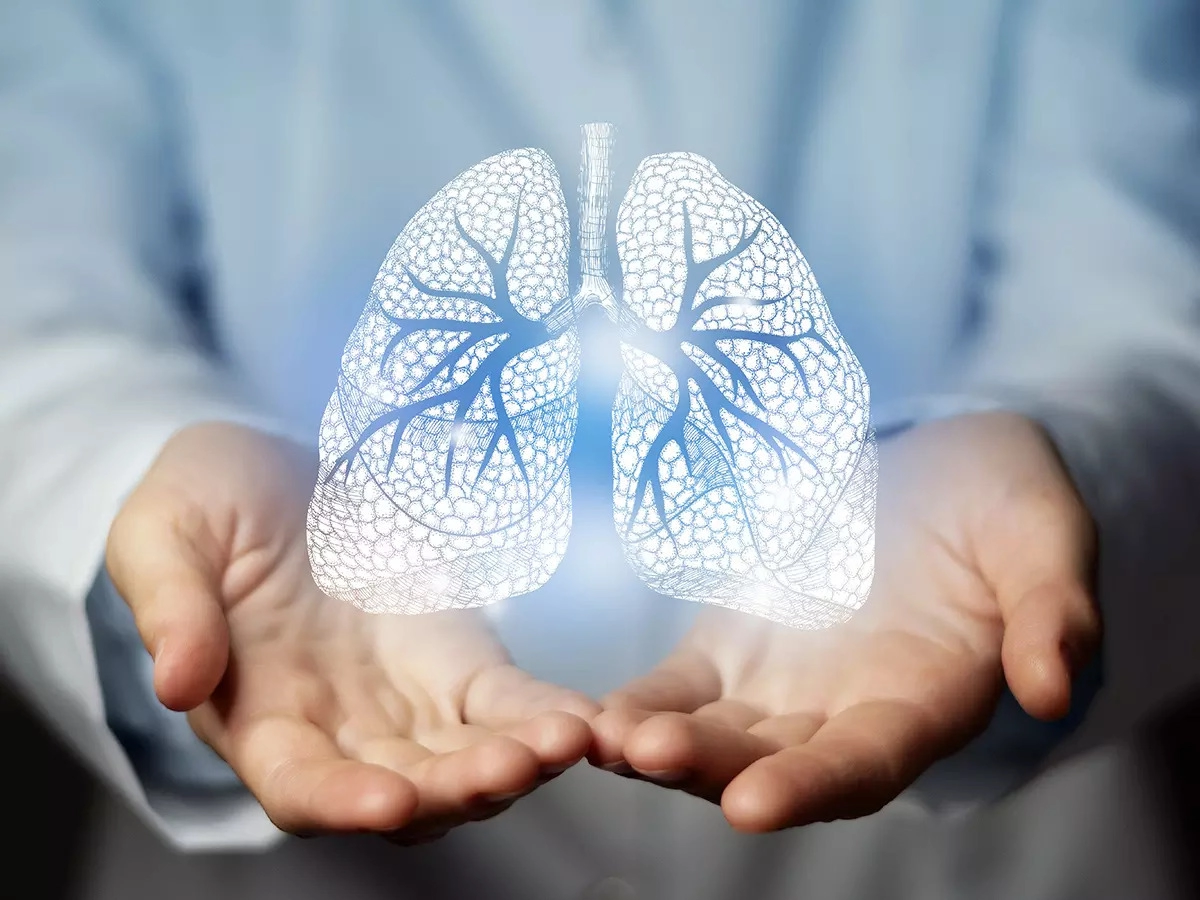
New Delhi, 18 November, 2025: Chronic obstructive pulmonary disease (COPD)—a long-term lung condition that includes emphysema and chronic bronchitis—affects millions of people worldwide. It causes breathing difficulties, persistent cough, frequent respiratory infections, and a gradual decline in physical endurance. But COPD affects far more than the lungs. Decades of research show a deep, two-way connection between COPD and mental health, especially depression.
Depression is one of the most common yet overlooked comorbidities in people with COPD. Studies suggest that up to 40% of individuals with COPD experience significant depressive symptoms, a rate far higher than in the general population. Unfortunately, depression often goes undiagnosed or untreated—partly because its symptoms can overlap with or be mistaken for COPD symptoms, and partly because mental health is not always discussed during routine respiratory care.
This article explores why COPD and depression are so strongly linked, how each condition can worsen the other, and what individuals and caregivers can do to support both mental and physical health long-term.
Why COPD and Depression Frequently Occur Together
Living with COPD can be challenging, both physically and emotionally. Understanding why depression commonly accompanies COPD starts with recognizing the enormous impact the disease has on daily life.
1. The Physical Limitations of COPD Affect Emotional Health
COPD makes activities that most people take for granted—walking, climbing stairs, or even getting dressed—more difficult. Over time, shortness of breath and fatigue can lead to:
- Reduced independence
- Less social engagement
- Fear of physical exertion
- Avoidance of previously enjoyable activities
This loss of autonomy can contribute to feelings of helplessness, frustration, and sadness, which can evolve into clinical depression.
2. Chronic Illness and Uncertainty Increase Emotional Stress
COPD is a progressive condition. Many individuals worry about worsening symptoms, the need for hospitalization, or how the disease will affect their long-term lifestyle. This ongoing uncertainty and fear can weigh heavily on mental health.
3. Inflammation Plays a Biological Role
Emerging research suggests that systemic inflammation—common in COPD—may also contribute to depressive symptoms. Inflammatory markers are often elevated in both depression and COPD, hinting at biological pathways that may link the two conditions.
4. Lack of Oxygen and Low Physical Activity Levels Can Influence Mood
Low oxygen levels can impair brain function and energy levels. Meanwhile, reduced activity due to breathlessness can also affect neurotransmitters that regulate mood. The combination of inactivity and hypoxia increases vulnerability to depression.
5. Social Isolation Is More Common With COPD
People with COPD often avoid social situations that trigger coughing or breathlessness. Limited mobility can also contribute to staying home more frequently. Over time, social isolation is a major risk factor for depression.
How Depression Worsens COPD Symptoms
The relationship between COPD and depression isn’t one-sided. Just as COPD increases the risk of depression, depression can also significantly affect COPD management and outcomes.
1. Depression Reduces Motivation to Exercise
Exercise is one of the most beneficial non-medication treatments for COPD. It improves lung function, builds endurance, and enhances quality of life. However, depression drains motivation, making it harder to stay active—even when exercise is medically recommended.
2. Poor Adherence to Treatment Plans
Depression often affects concentration, routine planning, and energy levels. As a result, people may:
- Forget or skip inhaler doses
- Miss appointments
- Delay seeking help during flare-ups
- Avoid pulmonary rehabilitation programs
This can lead to more frequent exacerbations and hospitalizations.
3. Depression Increases Perception of Breathlessness
Mental health affects how physical symptoms are interpreted. Depression can heighten sensitivity to breathlessness, making symptoms feel more overwhelming and harder to manage—even when lung function hasn’t worsened.
4. Higher Risk of Smoking Relapse
For individuals who previously smoked (a major COPD cause), depression increases the risk of relapse. Smoking not only worsens COPD but also makes depression more difficult to treat.
Recognizing Depression in People With COPD
Because COPD and depression share overlapping symptoms—such as fatigue and reduced activity—depression can go unnoticed. Some individuals also avoid mentioning mood changes because they feel they should focus on their physical condition during medical visits.
Common signs of depression in someone with COPD include:
- Persistent sadness or emptiness
- Loss of interest in previously enjoyed activities
- Sleep disturbances (too much or too little)
- Difficulty concentrating
- Change in appetite or weight
- Social withdrawal
- Feelings of guilt, hopelessness, or worthlessness
- Increased anxiety or panic about breathing symptoms
If these symptoms last more than two weeks, professional evaluation is important.
Why Depression in COPD Should Never Be Ignored
Depression is not a “normal” part of chronic illness—it is a serious condition that requires attention. When left untreated, depression in people with COPD is linked to:
- Higher hospitalization rates
- More frequent COPD exacerbations
- Faster physical decline
- Reduced independence
- Lower quality of life
- Increased mortality risk
Addressing mental health is not optional—it is a core part of COPD treatment.
Strategies to Improve Mental Health in Individuals With COPD
Fortunately, treating depression can significantly improve COPD outcomes. Multiple evidence-based approaches can help.
1. Talk Therapy and Counseling
Cognitive behavioral therapy (CBT) is especially effective for people with chronic illnesses. It can:
- Reduce anxiety related to breathing
- Improve coping skills
- Address negative thought patterns
- Increase motivation for self-care and exercise
Support groups and peer counseling also help individuals feel less isolated.
2. Pulmonary Rehabilitation Programs
Pulmonary rehab is one of the most effective interventions for both COPD symptoms and depression. These programs combine:
- Supervised exercise
- Breathing training
- Education
- Emotional support
Participants frequently report improved mood, better confidence, and increased activity levels.
3. Exercise and Physical Activity
Exercise releases endorphins, improves lung efficiency, and reduces inflammation. Activities may include:
- Walking
- Cycling
- Water-based exercise
- Strength training
- Tai chi or yoga
Even light, regular activity can significantly reduce depressive symptoms.
4. Medication for Depression
For moderate to severe depression, antidepressants may be beneficial and safe for use alongside COPD treatments. A healthcare provider can evaluate medications that align with a person’s respiratory and cardiovascular health profile.
5. Mindfulness and Breathing Techniques
Mindfulness practices help reduce anxiety and the sense of panic that often accompanies breathlessness. Techniques include:
- Deep breathing exercises
- Progressive muscle relaxation
- Meditation
- Guided imagery
These practices can also help people respond more calmly during COPD flare-ups.
6. Building a Support Network
Connection is a powerful antidote to depression. Support may come from:
- Family and friends
- COPD support groups
- Online communities
- Mental health professionals
- Caregivers and health coaches
Regular social interaction helps break the cycle of isolation.
7. Smoking Cessation Support
Quitting smoking can improve both COPD outcomes and mental health. Counseling, medications, nicotine replacement therapy, and group programs significantly increase success rates.
When to Seek Help
Anyone with COPD experiencing persistent mood changes, loss of interest, or feelings of hopelessness should talk to a healthcare professional. Early treatment improves both mental and physical health outcomes.
Medical attention is especially important if:
- Depression interferes with daily functioning
- Symptoms worsen
- There are thoughts of self-harm
- Anxiety occurs alongside breathlessness
There is no shame in seeking help—mental health is as vital as lung health.
COPD and depression are deeply interconnected, and each condition amplifies the challenges of the other. Understanding this relationship is essential for comprehensive care. Addressing depression isn’t simply about improving mood—it’s about improving breathing, physical strength, resilience, and overall quality of life. Effective treatment should always include support for both the body and the mind.
With proper care—including therapy, pulmonary rehabilitation, exercise, and social support—individuals with COPD can manage their symptoms more effectively and live fuller, more satisfying lives. Mental health matters, especially for those coping with chronic illness, and acknowledging the link between depression and COPD is the first step toward better health.
















Leave a comment