

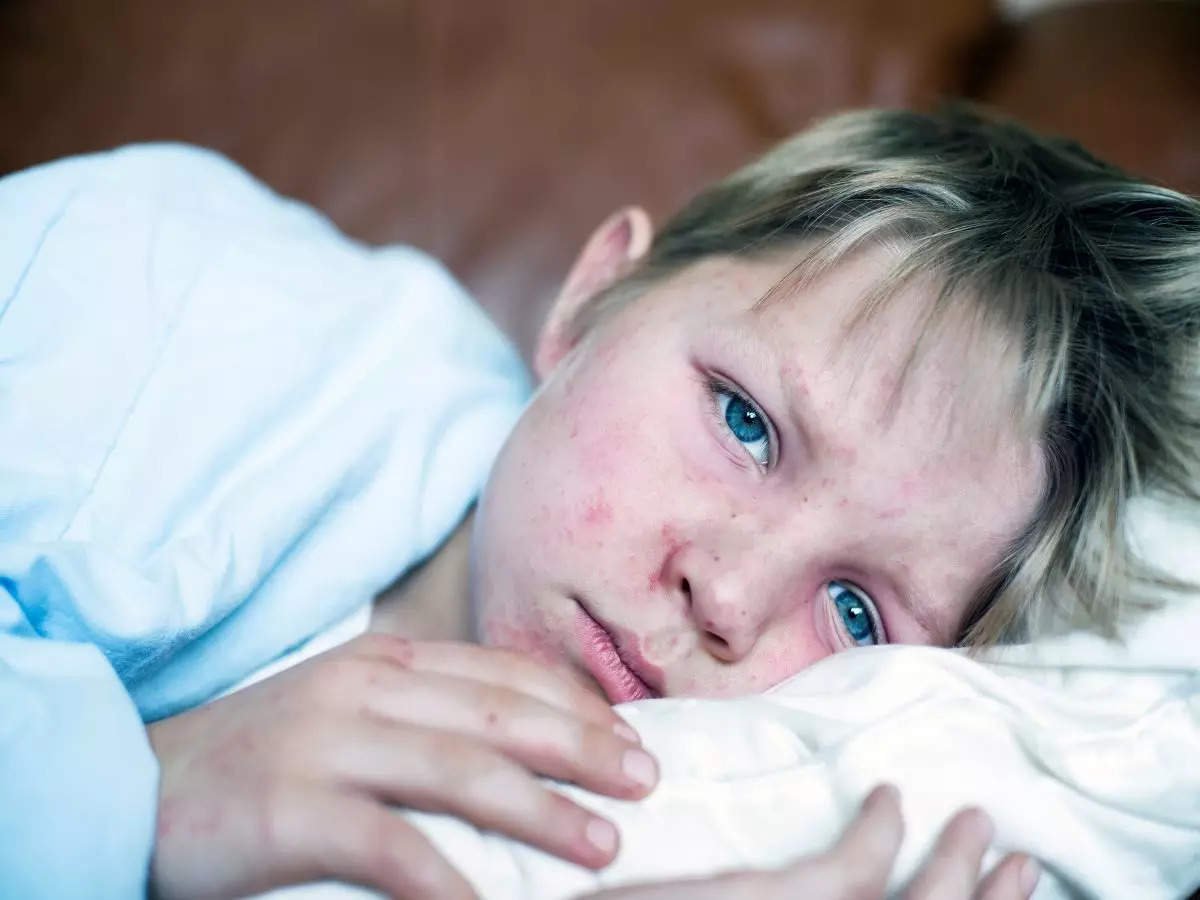
New Delhi, 14 May 2025: Measles, once a disease thought to be on the brink of elimination, is experiencing a significant resurgence in various parts of the world. Public health experts are sounding the alarm as the highly contagious viral infection is making a comeback, threatening to reverse years of progress in global immunization efforts. This resurgence is not only a public health crisis but also a stark reminder of the importance of vaccination in safeguarding populations.
The Return of Measles: A Global Concern
Measles was declared eliminated in several parts of the world, including the United States, after aggressive vaccination campaigns in the late 20th century. However, recent reports show that the virus is spreading once again, especially in areas where vaccination rates have declined or where misinformation about vaccines has spread. The World Health Organization (WHO) and the Centers for Disease Control and Prevention (CDC) are both concerned about the rising number of measles cases worldwide.
As of early 2025, global measles cases have surged by 30% compared to previous years. In countries like India, the Philippines, and certain parts of Europe, outbreaks are becoming more frequent and widespread. The situation is particularly dire in communities with lower vaccination rates, which are vulnerable to outbreaks of diseases that can be easily prevented through immunization.
Why Measles is Making a Comeback
Several factors contribute to the return of measles, and understanding them is crucial in preventing further spread. One of the most significant reasons is the decrease in vaccination rates. Over the past few years, misinformation about vaccines, often spread via social media, has led to a growing number of parents choosing not to vaccinate their children. This “vaccine hesitancy” has left communities vulnerable, allowing diseases like measles to regain a foothold.
Another factor is the disruption caused by the COVID-19 pandemic. During the pandemic, many routine vaccinations were delayed or canceled, both due to restrictions on healthcare services and fear of exposure to the virus in medical settings. These delays have had a cascading effect, with children missing out on essential vaccinations, leaving them susceptible to infections like measles.
Additionally, the ease with which measles spreads in crowded environments, such as schools and urban areas, makes it difficult to contain once it gains a foothold. Measles is one of the most contagious diseases known to man, with the virus being able to survive in the air for up to two hours after an infected person leaves the area. This means that anyone in close proximity to an infected individual is at risk of contracting the disease, even if they were not directly in contact with them.
The Dangers of Measles: More Than Just a Rash
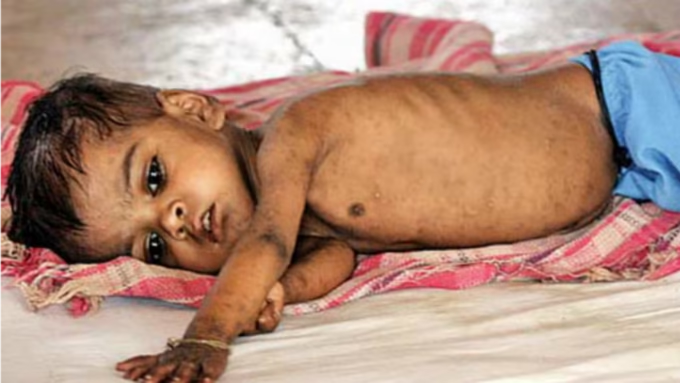
While many may perceive measles as a relatively mild illness, it can lead to serious complications, particularly in children, pregnant women, and individuals with weakened immune systems. Complications include pneumonia, encephalitis (swelling of the brain), and blindness. In some cases, measles can even be fatal. The risk of severe outcomes is significantly higher in unvaccinated populations.
Measles also puts a strain on healthcare systems, especially in areas already battling other infectious diseases. Hospitalization rates rise as more people require medical attention, which can overwhelm healthcare facilities, particularly in low-income and under-resourced areas.
Vaccination: The Key to Preventing Further Outbreaks
The good news is that measles is entirely preventable through vaccination. The measles, mumps, and rubella (MMR) vaccine is highly effective in preventing the disease and has been shown to provide long-lasting immunity. Health experts strongly encourage parents to vaccinate their children and for individuals who have missed vaccinations to catch up, especially in areas where outbreaks are occurring.
Public health organizations around the world are ramping up efforts to combat the resurgence of measles by launching targeted vaccination campaigns, improving access to vaccines, and addressing the misinformation surrounding vaccines. Health professionals are also calling for global cooperation to ensure that all children, especially in underprivileged regions, have access to essential vaccinations.
As measles cases rise, the world faces a crucial moment in the battle against infectious diseases. The return of measles is a stark reminder that diseases can resurface if we become complacent about prevention measures like vaccination. To prevent further outbreaks and protect vulnerable populations, it is imperative that we continue to prioritize immunization, correct vaccine misinformation, and ensure that no one is left behind in the fight against preventable diseases. The comeback of measles can be stopped, but it requires collective action, commitment, and a renewed focus on vaccination.










Leave a comment