

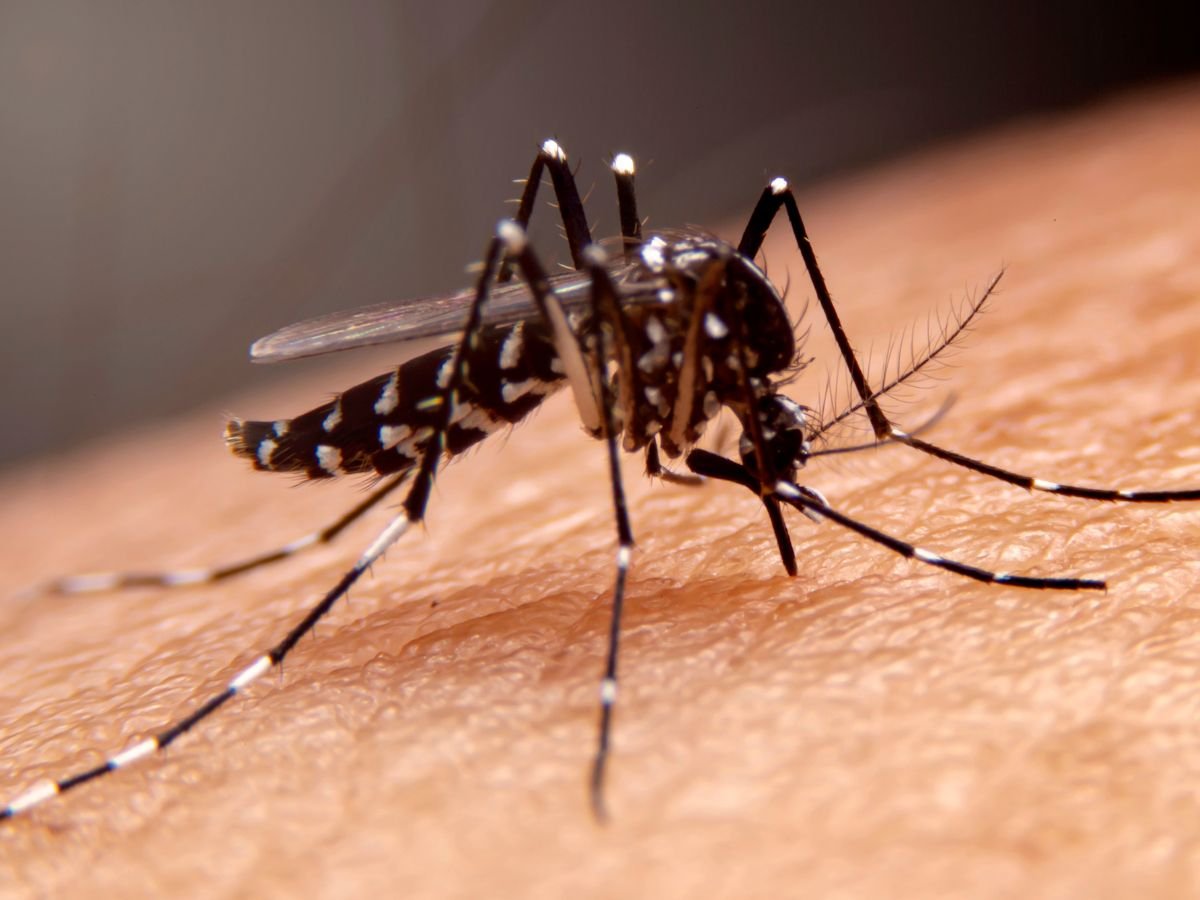
New Delhi, 26 December 2024: India has made significant progress in the battle against malaria disease, with a sharp decline of 80% in the number of cases and deaths over the past eight years. According to the latest data shared by the Union Ministry of Health and Family Welfare. This remarkable achievement highlights the country’s ongoing efforts to control malaria, a disease that has plagued millions for decades.
Significant Reduction in Malaria Disease Cases and Deaths
The Centre reported that from 2015 to 2023, the number of malaria Disease cases in India dropped by 80%, while deaths caused by the disease saw a similar reduction. This reduction attributed to an aggressive national strategy that focuses on early detection, treatment, and vector control, alongside public awareness campaigns and stronger surveillance systems.
India has made substantial strides in reducing malaria incidence through the implementation of preventive measures such as the distribution of insecticide-treated bed nets. indoor residual spraying, and widespread use of diagnostic testing and antimalarial medicines. These efforts, combined with a strong focus on rural healthcare infrastructure, have significantly reduced malaria-related morbidity and mortality across the country.
Strategies That Contributed to the Decline
One of the key components of India’s success in reducing malaria is the National Framework for Malaria Elimination (2016-2030). This framework has emphasized targeted interventions and the elimination of malaria transmission in low- transmission areas, including the use of newer diagnostic tools like rapid diagnostic tests (RDTs) and molecular tools for identifying the parasite.
You may also like –

The Ministry of Health has also worked closely with state governments to scale up malaria elimination programs, providing training to healthcare workers, improving access to diagnostic facilities, and ensuring the availability of effective treatment.
The increased use of Artemisinin-based Combination Therapy (ACT), the first-line treatment for malaria Disease, has played a crucial role in controlling the disease. In addition, the rollout of Long Lasting Insecticidal Nets (LLINs) and Indoor Residual Spray (IRS), especially in high-risk areas, has helped curb the spread of malaria-transmitting mosquitoes.
Focus on Early Diagnosis and Treatment
Early diagnosis and prompt treatment remain at the heart of India’s malaria control efforts. The government has introduced comprehensive training programs for healthcare professionals to ensure quick and accurate diagnosis. The National Vector Borne Disease Control Programme (NVBDCP) has worked to provide early treatment for suspected malaria cases, thus preventing the progression of the disease to severe stages.
Additionally, community health workers have been deployed to conduct regular door-to-door surveys, ensuring that people in remote and rural areas receive prompt treatment. These efforts have helped reduce the number of cases and the severity of the disease, resulting in fewer fatalities.
The Role of Surveillance Systems
A critical factor in the decline of malaria cases has been the strengthening of malaria surveillance systems across the country. The Ministry of Health has emphasized the need for real-time monitoring of malaria cases in high-risk areas, enabling swift action and the deployment of resources wherever needed.
The integration of geospatial mapping technologies and mobile health apps has enhanced surveillance and data collection, making it easier for health authorities to identify malaria hotspots and take appropriate measures. The use of mobile phones for reporting cases and tracking the movement of malaria vectors has improved the responsiveness of health interventions.
Challenges Remain in Malaria Elimination
Despite the impressive reduction in malaria cases and deaths, challenges remain, particularly in the northeastern states and tribal areas, where malaria transmission rates are still high. The presence of Plasmodium falciparum, the deadliest malaria parasite, continues to pose a significant challenge in certain parts of the country.
Additionally, the advent of drug resistance and vector resistance to insecticides are emerging concerns that could undermine the progress made so far. Experts have warned that continued surveillance, innovation, and the development of new tools and treatments are essential to maintaining the gains made and ensuring malaria elimination in the long term.
India has set an ambitious goal of eliminating malaria by 2030, in line with the World Health Organization’s global target for malaria eradication. The government is focusing on ensuring universal access to preventive measures, early diagnosis, and effective treatments.
As the country moves toward the goal of malaria-free India, it will need to continue addressing regional disparities, enhancing community involvement, and improving the quality of healthcare in vulnerable areas. The ongoing collaboration between the government, healthcare professionals, and international partners will be key to ensuring that malaria is eliminated within the next decade.
Read Also – ABC Juice Medicinal Health Benefits: How to Consume It for Maximum Results
India’s success in reducing malaria cases and deaths by 80% from 2015 to 2023 is a testament to the country’s concerted efforts to combat this deadly disease. With sustained focus on early diagnosis, treatment, vector control, and surveillance, the country is making steady progress toward its goal of malaria elimination by 2030. While challenges remain, India’s achievements in reducing malaria provide hope that the nation can ultimately eradicate the disease and improve the health and well-being of its population.













Leave a comment