

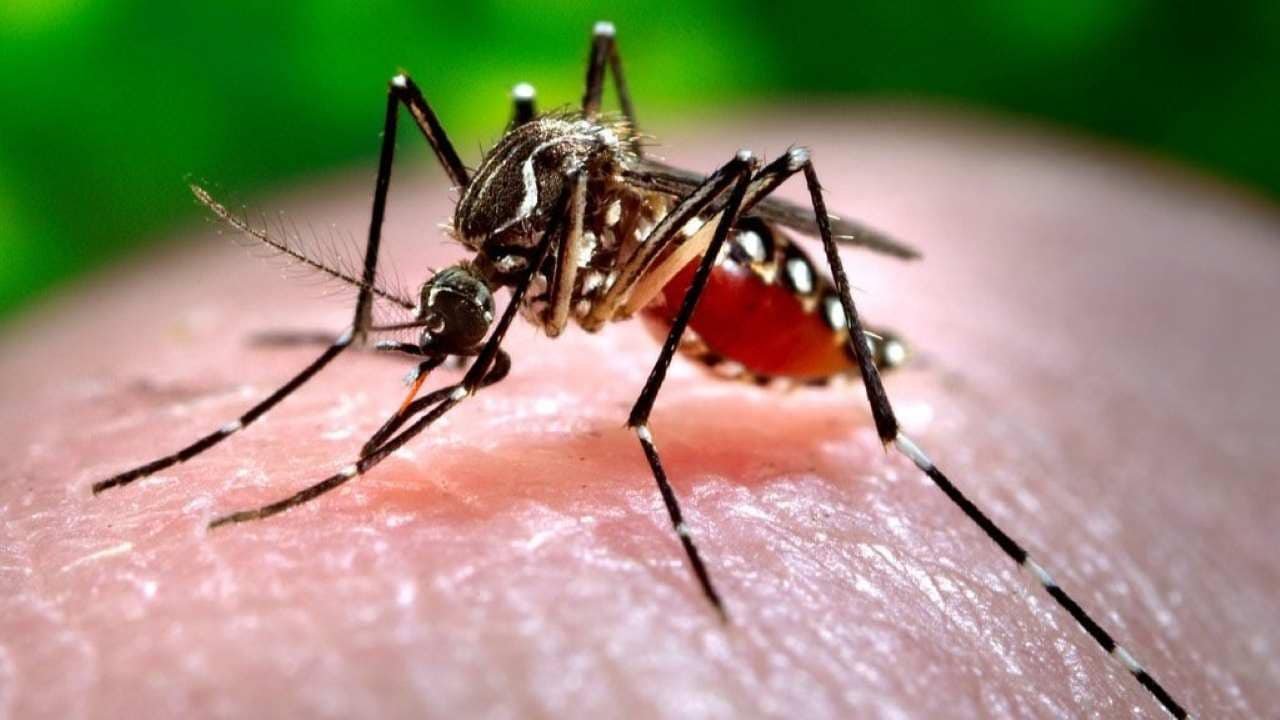
New Delhi, 05 December 2024: Maharashtra is currently facing its most severe chikungunya outbreak in six years, raising alarm across public health sectors. The sudden surge in cases has overwhelmed healthcare facilities and intensified the need for preventive measures. Chikungunya, a mosquito-borne viral disease caused by the Chikungunya virus (CHIKV), is primarily transmitted through the bite of infected Aedes aegypti and Aedes albopictus mosquitoes. Known for its debilitating joint pain and fever, the disease poses a significant health burden, particularly in areas with inadequate mosquito control measures.
Here’s a detailed overview of the symptoms, causes, and preventive strategies related to chikungunya to help you stay informed and prepared.
Understanding Chikungunya: What Is It?
Chikungunya is a viral disease first identified during an outbreak in Tanzania in 1952. The name “chikungunya” is derived from a Makonde word meaning “to become contorted,” referencing the stooped posture of patients suffering from severe joint pain.
In Maharashtra, the outbreak is attributed to various factors, including unseasonal rains, poor waste management, and urbanization, all of which create ideal breeding grounds for mosquitoes.
Symptoms of Chikungunya
Chikungunya’s symptoms typically appear 4–7 days after being bitten by an infected mosquito. The disease is characterized by the following:
High Fever: Fever is one of the earliest symptoms and can reach up to 104°F.
Severe Joint Pain (Arthralgia): The hallmark symptom, joint pain, can last for weeks or even months, significantly affecting mobility.
Rash: A maculopapular rash often appears on the trunk, limbs, or face.
Headache and Fatigue: Intense headaches and general fatigue are common.
Nausea and Vomiting: Digestive symptoms may accompany fever and joint pain.
Muscle Pain (Myalgia): Persistent muscle aches are another common symptom.
Although chikungunya is rarely fatal, it can lead to chronic joint pain and complications in vulnerable populations, such as the elderly, newborns, and individuals with underlying health conditions.
How Chikungunya Spreads
Chikungunya is transmitted through the bites of infected mosquitoes, primarily the Aedes aegypti and Aedes albopictus. These mosquitoes breed in stagnant water and are most active during the daytime.
Outbreaks are often associated with:
Rainy Seasons: Increased water accumulation creates more breeding sites.
Urban Areas: Poor drainage and improper waste disposal exacerbate mosquito proliferation.
Travel: People traveling to endemic areas can unknowingly bring the virus back, spreading it further.
Why Maharashtra Is Particularly Affected
Maharashtra’s current chikungunya outbreak has been the worst in six years, with cases skyrocketing in both urban and rural areas. Several factors have contributed to this alarming rise:
Unseasonal Rains: Prolonged rainy spells have led to water stagnation, increasing mosquito breeding sites.
Rapid Urbanization: Overcrowded cities with inadequate waste management have created ideal environments for mosquitoes.
Neglect of Preventive Measures: Delayed fogging operations and insufficient awareness campaigns have hindered prevention efforts.
Chikungunya is diagnosed through blood tests that detect the presence of the virus or antibodies. Accurate and early diagnosis is crucial for effective management.
Currently, there is no specific antiviral treatment for chikungunya. Management focuses on relieving symptoms:
Painkillers: Non-steroidal anti-inflammatory drugs (NSAIDs) like ibuprofen can alleviate joint pain.
Hydration: Drinking plenty of fluids helps combat dehydration caused by fever.
Rest: Sufficient rest is essential for recovery.
Patients with severe symptoms or underlying conditions should seek medical attention promptly to prevent complications.
The Road Ahead: Managing the Outbreak
This time the outbreak in Maharashtra underscores the urgent need for better public health strategies. Authorities must focus on:
Strengthening Surveillance: Monitoring mosquito populations and disease trends.
Enhancing Healthcare Access: Ensuring adequate resources for diagnosis and treatment.
Community Engagement: Empowering citizens to take proactive measures against mosquito breeding.
The worst outbreak in six years has highlighted Maharashtra’s vulnerability to mosquito-borne diseases. While the immediate priority is controlling the spread, long-term measures such as urban planning, waste management, and public education are vital to prevent future outbreaks.

















Leave a comment