

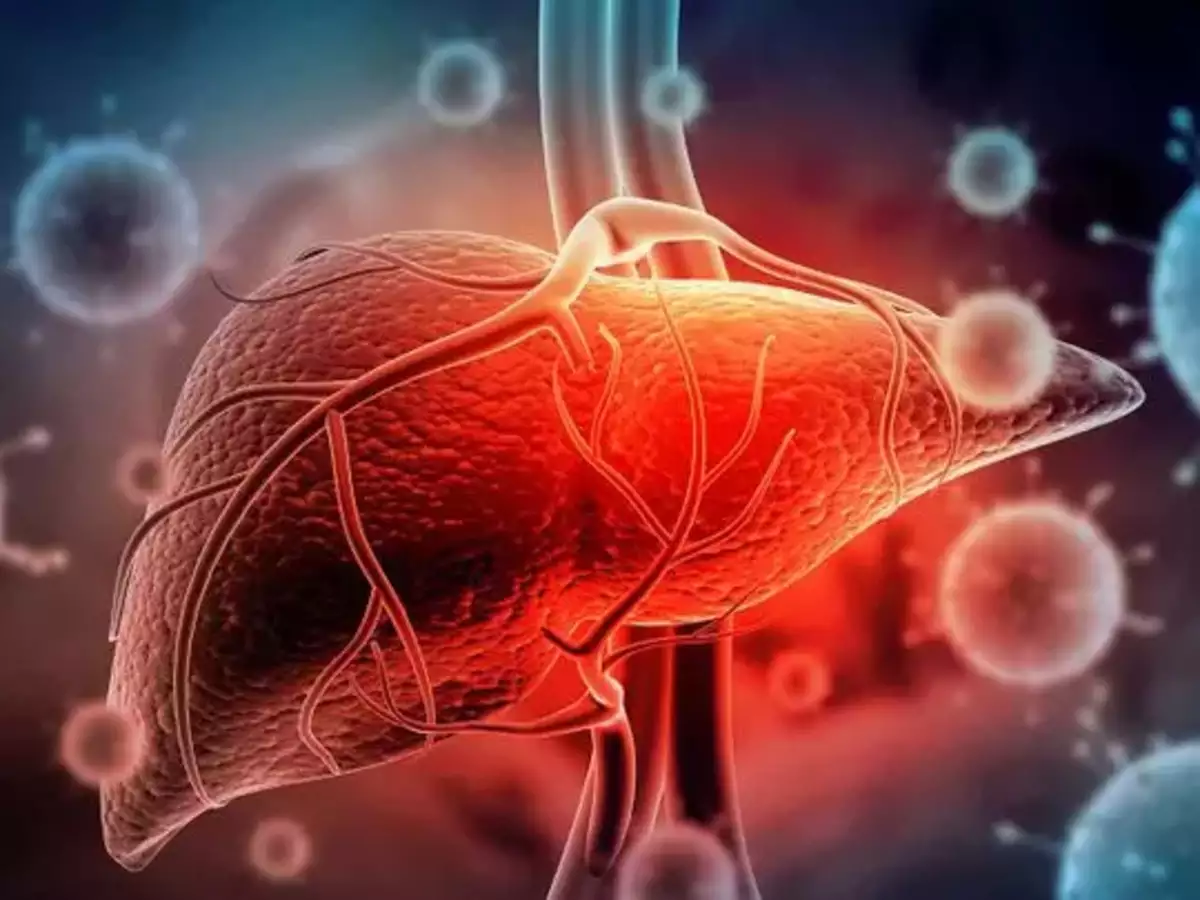
New Delhi, 05 November, 2025: Your liver is one of the most hardworking organs in your body — filtering toxins, producing bile to digest fats, and metabolizing nutrients and medications. Despite its resilience, the liver can become damaged due to factors like poor diet, viral infections, excessive alcohol consumption, or certain medications. The danger is that liver disease often develops silently, showing few outward symptoms in its early stages.
However, your urine can provide valuable clues about your liver health. Changes in color, smell, or frequency can sometimes signal early liver dysfunction — long before other signs appear. Paying attention to these subtle changes can help detect problems early and prevent irreversible damage.
Here are seven important liver damage signs that can show up in your urine — and why you should never ignore them.
1. Dark or Cola-Colored Urine
One of the most noticeable signs of liver problems is dark urine, often described as tea- or cola-colored. This occurs when bilirubin, a yellowish pigment produced by the breakdown of red blood cells, accumulates in the bloodstream.
Normally, the liver processes bilirubin and excretes it into bile, which leaves the body through stool. But when the liver is inflamed or obstructed, bilirubin leaks into the blood and is filtered out through urine, giving it a dark brown or amber hue.
Possible causes:
- Hepatitis (viral or autoimmune)
- Cirrhosis
- Bile duct obstruction
- Fatty liver disease
If your urine remains dark even when you’re well-hydrated, it’s a clear signal to get your liver function tested.
2. Foamy or Frothy Urine
Persistent foamy or frothy urine can be another red flag. While temporary foaminess may simply result from dehydration or fast urination, persistent bubbles could indicate proteinuria — an abnormal presence of protein in the urine.
Liver dysfunction can disrupt protein metabolism, leading to leakage of albumin (a key blood protein) into urine. This is especially common in conditions like cirrhosis or nonalcoholic steatohepatitis (NASH), where liver tissue is progressively scarred.
What to do: If foaminess is consistent or accompanied by swelling in your legs or around your eyes, consult a doctor for a urine protein test.
3. Pale or Clear Urine (with Other Liver Symptoms)
Pale urine isn’t always bad — it usually means you’re well hydrated. But if it occurs along with other symptoms like jaundice, fatigue, or loss of appetite, it could indicate reduced bile production due to liver dysfunction.
When the liver produces less bile, bilirubin levels in the blood may rise, and urine becomes lighter even as the skin and eyes turn yellow.
Pay attention to the combination of pale urine and yellowish skin — this contrast is often a telltale sign of obstructive jaundice or hepatic inflammation.
4. Strong or Unusual Urine Odor
Your urine normally has a mild scent, but liver issues can cause a sweet, musty, or ammonia-like odor due to the buildup of certain waste compounds.
When the liver struggles to detoxify substances like ammonia and sulfur, they may be excreted through urine, altering its smell. This is especially common in advanced liver disease or hepatic encephalopathy, a condition where toxins affect brain function.
If you notice a consistently strong or sweet odor, especially alongside fatigue, confusion, or yellowing of the eyes, it’s important to seek medical advice immediately.
5. Reduced Urine Output
A significant reduction in urine output (called oliguria) can occur when the liver is severely damaged. This often happens in acute liver failure or hepatorenal syndrome, a serious condition where liver dysfunction affects kidney function.
In these cases, toxins and excess fluid accumulate in the body, leading to swelling in the legs, abdomen, or around the eyes while urine production declines.
This is a medical emergency. If you experience reduced urination along with bloating or jaundice, seek immediate medical care.
6. Cloudy Urine With Discomfort
Cloudy or hazy urine accompanied by burning or discomfort is often linked to urinary tract infections (UTIs). However, in the context of liver disease, cloudy urine can also occur due to bilirubin and bile salts being excreted through the kidneys.
These substances can irritate urinary tissues, contributing to mild discomfort or inflammation. Chronic liver inflammation, especially in hepatitis B or C, can sometimes cause this symptom.
If cloudy urine persists and no infection is found, your doctor may recommend liver enzyme and bilirubin tests.
7. Yellow-Orange Urine Accompanied by Jaundice
When urine appears bright yellow or orange, it may indicate excess bilirubin in circulation. This is often the first visible sign of jaundice — a hallmark of liver distress.
As the liver becomes inflamed or its bile ducts are blocked, bilirubin levels rise in both blood and urine. Over time, this leads to yellowing of the skin, eyes, and nails, along with fatigue and nausea.
Note: Certain medications and dehydration can also darken urine temporarily, but persistent yellow-orange urine, especially when accompanied by jaundice, requires immediate medical evaluation.
How the Liver and Urine Are Connected
The liver and kidneys work closely to remove waste and maintain chemical balance. When the liver fails to filter toxins properly, these substances enter the bloodstream and put added strain on the kidneys.
This connection means that liver problems often show up in urine before more severe symptoms appear elsewhere in the body. Monitoring urine changes can therefore serve as an early warning system for potential liver damage.
Other Symptoms That May Accompany Urine Changes
Alongside changes in urine color or smell, watch for the following general signs of liver distress:
- Yellowing of skin or eyes (jaundice)
- Chronic fatigue or weakness
- Swelling in legs, ankles, or abdomen
- Loss of appetite or unexplained weight loss
- Persistent nausea or vomiting
- Easy bruising or bleeding
- Itchy skin
If several of these symptoms appear together, it’s important to consult a doctor and request a liver function test (LFT). Early diagnosis can make a major difference in treatment outcomes.
How to Protect Your Liver Health
Even if you don’t currently have liver problems, adopting preventive habits can keep your liver healthy and functioning optimally.
1. Limit Alcohol Consumption
Excessive alcohol is one of the leading causes of liver cirrhosis. Stick to recommended limits — one drink a day for women and two for men — or avoid alcohol entirely if you have existing liver conditions.
2. Eat a Balanced Diet
Focus on foods rich in antioxidants and fiber, such as fruits, vegetables, whole grains, and lean proteins. Avoid high-fat, processed, and sugary foods, which can contribute to fatty liver disease.
3. Stay Hydrated
Drinking enough water helps your liver and kidneys flush out toxins efficiently, keeping your urine clear and your metabolism steady.
4. Be Cautious With Medications
Overuse of painkillers (like acetaminophen), certain antibiotics, and herbal supplements can stress the liver. Always follow dosage guidelines and consult your doctor before taking new medications.
5. Get Vaccinated
Vaccines are available for Hepatitis A and B, two major causes of liver inflammation. Getting vaccinated is one of the most effective ways to protect your liver health.
6. Exercise Regularly
Physical activity reduces fat buildup in the liver and improves insulin sensitivity, lowering the risk of nonalcoholic fatty liver disease (NAFLD).
7. Avoid Toxins
Limit exposure to harsh chemicals, cleaning agents, and pesticides. When handling them, wear gloves and ensure good ventilation.
When to See a Doctor
You should seek immediate medical care if you notice:
- Persistent dark or orange urine
- Yellowing of the skin or eyes
- Swelling or bloating
- Severe fatigue or confusion
- Nausea lasting more than a few days
Early intervention can prevent minor liver inflammation from progressing to chronic liver disease or failure.
Your urine is a window into your liver’s health. While occasional color changes may be harmless, persistent darkening, foaming, or changes in smell can point to early liver dysfunction. Recognizing these signs early — and addressing them with medical guidance — can make all the difference between reversible damage and long-term illness.
By paying attention to your body’s signals, maintaining healthy habits, and getting regular checkups, you can protect your liver — and your overall health — for years to come.

















Leave a comment