

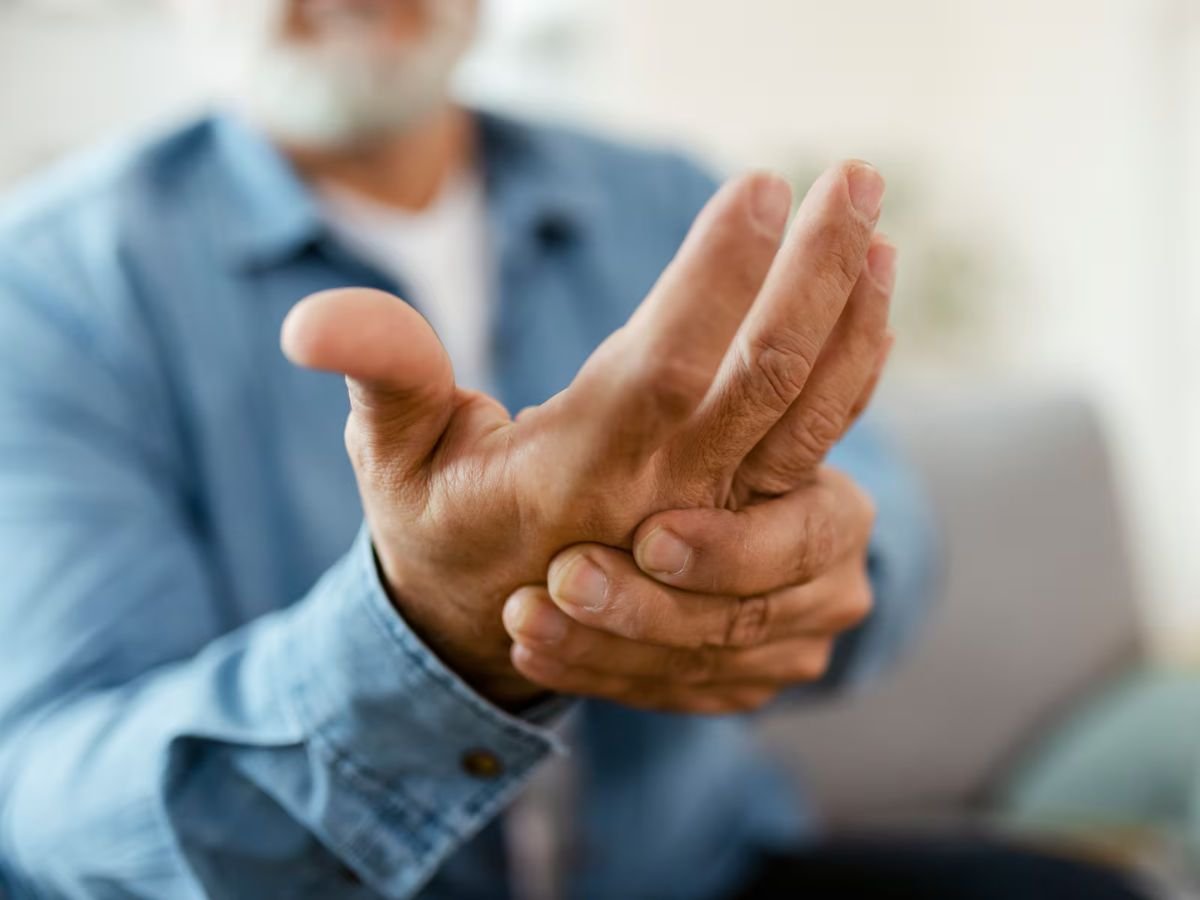
New Delhi, 27 September, 2025: When people experience pain, tingling, or numbness in their legs, the first thought that comes to mind is often arthritis, nerve compression, or simple fatigue. However, cardiologists warn that these symptoms could sometimes point to something far more serious—underlying heart disease. Ignoring these warning signs may increase the risk of heart attack, stroke, or even permanent disability.
With heart disease already the leading cause of death in India and worldwide, raising awareness about these less obvious symptoms is crucial. This article explores the link between leg pain, circulation, and cardiovascular health, why it’s often overlooked, and what preventive steps can save lives.
Why Leg Pain Can Signal Heart Trouble
Our legs depend on healthy blood circulation to receive oxygen and nutrients. When the arteries supplying blood to the legs narrow due to plaque buildup (atherosclerosis), blood flow reduces significantly. This condition, known as Peripheral Artery Disease (PAD), often presents with symptoms like:
- Pain or cramps in the calves, thighs, or hips during walking (claudication).
- Numbness or weakness in the legs.
- Coldness in the lower legs or feet compared to other parts of the body.
- Slow-healing wounds on the feet.
PAD is not just a “leg problem.” It is closely linked to coronary artery disease—meaning the same process that blocks arteries in the legs is often happening in the heart as well. Patients with PAD have a much higher risk of heart attack and stroke.
Why Symptoms Are Misdiagnosed as Arthritis
Pain and stiffness in the legs are commonly attributed to arthritis, especially in middle-aged and elderly individuals. However, unlike arthritis, PAD-related pain:
- Worsens during walking or climbing stairs and improves with rest.
- Is often accompanied by numbness, tingling, or coldness.
- May lead to skin discoloration or wounds that don’t heal.
Because arthritis is so common, many patients and even healthcare providers mistake PAD symptoms for joint-related issues. This misdiagnosis delays proper treatment and increases cardiovascular risk.
How Blocked Arteries Affect the Heart and Legs
When cholesterol, fat, and calcium build up inside artery walls, they form plaques that narrow the vessel. This reduces blood flow and oxygen supply. The process is systemic—it doesn’t affect just one artery but can impact multiple vessels across the body.
- In the legs, this causes pain, weakness, and ulcers.
- In the heart, the same blockage can trigger angina or heart attacks.
- In the brain, reduced blood supply can cause strokes.
Thus, pain in the legs may be the first external symptom of widespread cardiovascular disease.
Risk Factors That Worsen PAD and Heart Disease
Certain lifestyle and medical conditions increase the chances of developing PAD and related heart problems:
- Smoking – the biggest risk factor, damaging arteries and reducing blood flow.
- Diabetes – high blood sugar damages blood vessels and nerves.
- High blood pressure – puts extra strain on arterial walls.
- High cholesterol – accelerates plaque buildup.
- Obesity – increases strain on the heart and circulation.
- Sedentary lifestyle – weakens muscles and circulation.
- Family history – genetic predisposition to cardiovascular disease.
Symptoms You Should Never Ignore
If you have one or more of these risk factors, be alert to symptoms in your legs that may suggest cardiovascular trouble:
- Persistent leg pain or cramps while walking.
- Numbness or weakness in one or both legs.
- Cold feet or toes compared to the rest of the body.
- Shiny or discolored skin on the legs.
- Sores on the feet or toes that heal very slowly.
Ignoring these symptoms could allow silent progression of heart disease until it causes a sudden heart attack or stroke.
How Doctors Diagnose PAD and Related Heart Risks
A cardiologist or vascular specialist may use several diagnostic tools to detect circulation problems:
- Ankle-Brachial Index (ABI): Compares blood pressure in the ankle with that in the arm.
- Doppler Ultrasound: Shows blood flow in arteries.
- Angiography: Uses contrast dye and X-rays to detect blockages.
- Blood tests: Check cholesterol, blood sugar, and inflammation markers.
Since PAD and heart disease are interconnected, detecting one usually prompts further testing for the other.
Treatment Options: Protecting Both Legs and Heart
1. Lifestyle Changes
- Quit smoking immediately.
- Adopt a heart-healthy diet low in saturated fats, refined sugars, and processed foods.
- Exercise regularly, focusing on walking programs that improve circulation.
- Maintain a healthy weight.
2. Medications
Doctors may prescribe drugs to:
- Lower cholesterol (statins).
- Control blood pressure.
- Manage diabetes.
- Prevent blood clots (antiplatelet drugs like aspirin).
3. Medical Procedures
For severe blockages, procedures may be required:
- Angioplasty: A balloon or stent is used to open narrowed arteries.
- Bypass surgery: Reroutes blood flow around a blocked artery.
These treatments not only relieve leg symptoms but also reduce the risk of heart attack and stroke.
Preventive Measures Everyone Should Take
Eat for Heart and Circulation Health
- Include fruits, vegetables, whole grains, lean proteins, and omega-3 fatty acids.
- Reduce salt intake to manage blood pressure.
- Avoid processed foods and trans fats.
Stay Physically Active
Walking is especially beneficial for PAD patients, as it improves circulation and strengthens blood vessels.
Monitor Health Regularly
- Get annual check-ups for blood pressure, cholesterol, and blood sugar.
- If you notice recurring leg discomfort, insist on vascular screening.
Don’t Ignore Early Warning Signs
Many people dismiss leg pain as fatigue or aging, delaying diagnosis until complications arise. Awareness is the first step in prevention.
Expert Insight
Cardiologists emphasize that recognizing PAD symptoms early can be life-saving. Leg pain and numbness are not just orthopedic concerns—they may be red flags of systemic artery disease.
By listening to your body and consulting a doctor when unusual symptoms persist, you can prevent heart complications before they turn fatal.
The Bigger Picture: Why Awareness Matters in India
India is witnessing an alarming rise in cardiovascular diseases among younger populations. Sedentary lifestyles, fast food diets, and high stress levels are contributing to early onset heart problems.
Many individuals in their 30s and 40s are already reporting PAD symptoms but attributing them to minor issues. Raising awareness about the link between leg pain and heart disease is essential to prevent premature deaths.
Pain, numbness, or cramping in the legs is not always a simple case of arthritis or muscle strain. It could be your body’s way of warning you about blocked arteries and hidden heart disease.
Recognizing the difference, seeking timely diagnosis, and making lifestyle changes can protect not just your mobility but also your life.
The key takeaway: If your legs hurt while walking or feel numb and cold often, don’t just reach for painkillers. Consult a doctor—it could be your heart asking for help.
















Leave a comment