

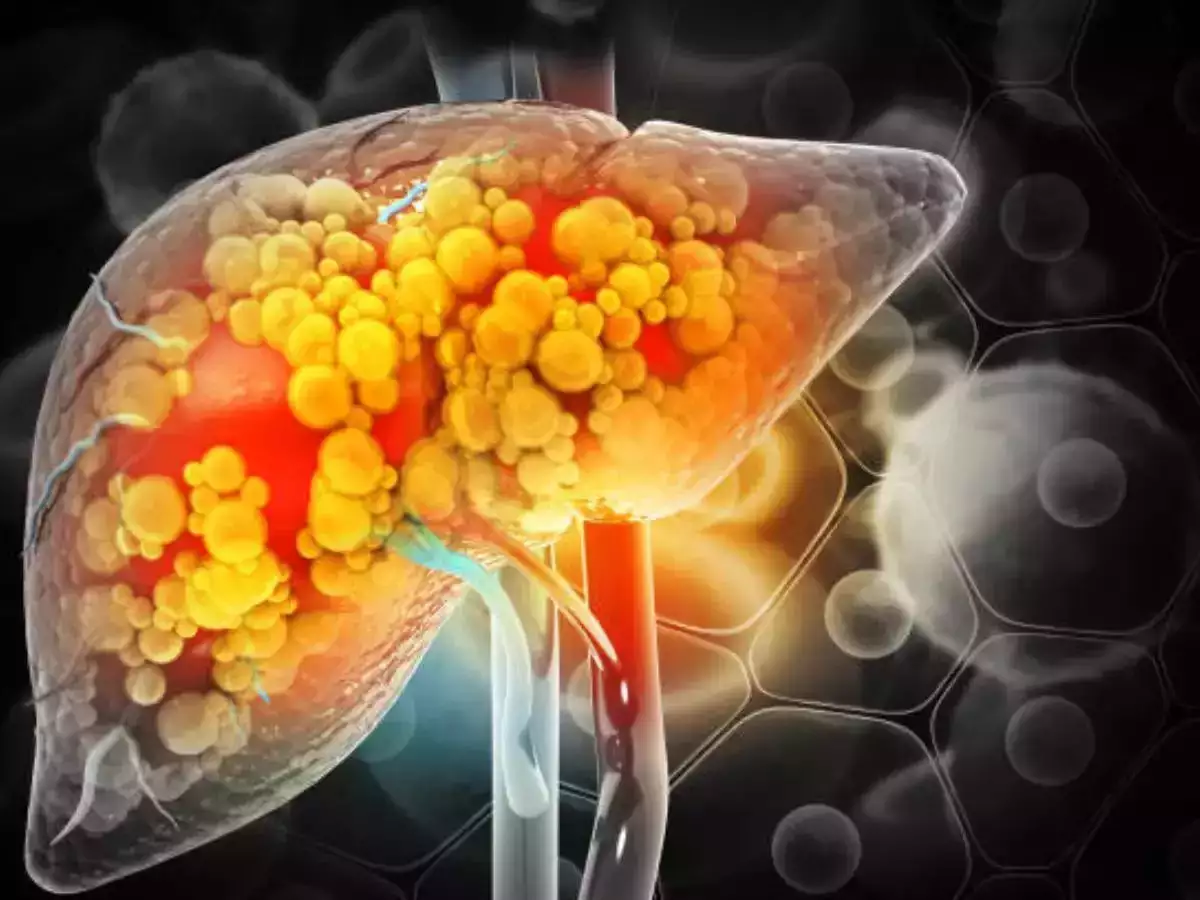
New Delhi, 09 June 2025: Fatty liver disease, also known as hepatic steatosis, is a growing global health concern marked by the accumulation of excess fat in the liver cells. It occurs when more than 5–10% of the liver’s weight is made up of fat. Once considered a rare condition, fatty liver has now become increasingly common due to rising obesity, sedentary lifestyles, and unhealthy dietary habits. It affects nearly 1 in 3 adults worldwide and is now one of the leading causes of liver dysfunction in both developed and developing nations. Fatty liver can be silent for years, often going unnoticed until it leads to serious complications like liver inflammation, fibrosis, cirrhosis, or even liver cancer. Early diagnosis and lifestyle modifications are key to reversing this condition before permanent liver damage sets in.
Types of Fatty Liver Disease: NAFLD vs. AFLD
There are two main types of fatty liver disease—non-alcoholic fatty liver disease (NAFLD) and alcoholic fatty liver disease (AFLD). NAFLD is the more prevalent form and occurs in individuals who consume little or no alcohol. It is closely linked to metabolic risk factors like obesity, insulin resistance, type 2 diabetes, high cholesterol, and high blood pressure. On the other hand, AFLD is caused by excessive alcohol consumption and results in the liver’s inability to process and break down fat efficiently. NAFLD can progress to a more serious form known as non-alcoholic steatohepatitis (NASH), which involves liver inflammation and cell damage. Understanding which type a person has is crucial for effective treatment and management.
Common Symptoms of Fatty Liver Disease: Often Silent but Sometimes Alarming
Fatty liver disease is often called a “silent disease” because many individuals do not experience any symptoms in its early stages. However, as the condition progresses, some common signs and symptoms may include fatigue, weakness, pain or discomfort in the upper right abdomen, unexplained weight loss, yellowing of the skin and eyes (jaundice), swelling in the legs and abdomen, and mental confusion or difficulty concentrating. Some people may also experience nausea or a feeling of fullness in the liver area. Because these symptoms overlap with other conditions, many people are unaware they have fatty liver until it is detected through routine tests or imaging for unrelated issues.
Causes and Risk Factors: What Leads to Fatty Liver
Several factors can contribute to the development of fatty liver disease. In the case of NAFLD, the primary causes include obesity, especially abdominal obesity, type 2 diabetes, insulin resistance, high triglyceride levels, poor diet rich in sugar and saturated fats, lack of physical activity, and metabolic syndrome. Genetics and ethnicity also play a role, with certain populations being more predisposed to developing fatty liver. Alcoholic fatty liver disease is primarily caused by chronic and excessive alcohol consumption that disrupts fat metabolism in liver cells. Other causes may include rapid weight loss, certain medications like corticosteroids or chemotherapy drugs, hepatitis C, malnutrition, and environmental toxins.
Diagnosis: How Fatty Liver Is Detected and Confirmed
Fatty liver disease is typically diagnosed through a combination of medical history, physical examination, blood tests, imaging studies, and in some cases, a liver biopsy. Blood tests may reveal elevated liver enzymes such as ALT and AST, which are markers of liver inflammation. Imaging techniques like ultrasound, CT scan, or MRI can help visualize fat accumulation in the liver. FibroScan, a specialized form of ultrasound, can assess the stiffness of the liver and the extent of fibrosis. If necessary, a liver biopsy may be performed to confirm the diagnosis and determine the severity of liver damage, particularly in cases suspected of progressing to NASH or cirrhosis.
Complications: How Fatty Liver Can Turn Life-Threatening
While fatty liver disease may remain stable in many individuals, it can progress to serious and irreversible liver damage if not managed properly. The most common complications include liver fibrosis (scarring), cirrhosis (permanent liver damage), liver failure, and hepatocellular carcinoma (liver cancer). Cirrhosis caused by fatty liver can lead to portal hypertension, internal bleeding, swelling of the abdomen (ascites), liver encephalopathy, and even death. Fatty liver disease is also linked to a higher risk of cardiovascular diseases, kidney problems, and metabolic disorders, making it a multisystem threat that requires comprehensive medical attention.
Treatment Options: Can Fatty Liver Be Reversed?
In most cases, fatty liver disease—especially NAFLD—can be reversed through lifestyle changes, particularly in its early stages. The cornerstone of treatment includes weight loss through a balanced diet and regular physical activity. Even a 5–10% reduction in body weight can significantly reduce liver fat and inflammation. A Mediterranean-style diet rich in fruits, vegetables, whole grains, healthy fats, and lean proteins is recommended. Alcohol cessation is critical for those with AFLD. Managing blood sugar, cholesterol, and blood pressure through medications or lifestyle changes also helps. Currently, there are no FDA-approved medications specifically for NAFLD or NASH, but some drugs like pioglitazone and vitamin E may be prescribed in select cases. Advanced cases may require liver transplantation.
Prevention: How to Protect Your Liver and Stay Healthy
Preventing fatty liver disease starts with adopting a healthy lifestyle. Maintaining a healthy weight through regular exercise—at least 150 minutes of moderate-intensity aerobic activity per week—is essential. Avoiding sugary beverages, ultra-processed foods, and trans fats while focusing on whole foods can significantly reduce the risk. Limit alcohol intake or avoid it altogether, especially if you are already at risk. Regular medical check-ups that include liver function tests, especially for people with diabetes or obesity, can aid in early detection. Managing underlying conditions like high blood pressure, diabetes, and high cholesterol through diet, medication, and exercise can also reduce your chances of developing fatty liver disease.
Fatty liver disease is a silent but serious health condition that is becoming increasingly common across age groups and demographics. Although it often remains symptomless in the early stages, its progression can lead to severe and irreversible liver damage. The good news is that in many cases, fatty liver disease is reversible with timely lifestyle modifications, including healthy eating, weight management, regular exercise, and medical supervision. Whether caused by alcohol or lifestyle factors, fatty liver should never be ignored. Early detection through regular health screenings, awareness of risk factors, and proactive health choices can go a long way in protecting liver health and overall well-being.
















Leave a comment