

New Delhi, 09 September, 2025: Kidneys play a vital role in maintaining overall health by filtering waste products, balancing fluids, and supporting important functions like blood pressure regulation. However, kidney-related problems are becoming increasingly common due to poor lifestyle habits, dehydration, and underlying health conditions. Two such conditions—kidney stones and kidney failure—are often confused with one another. While both affect the kidneys, they are entirely different in terms of causes, symptoms, severity, and treatment.
This article explains the basic differences between kidney stones and kidney failure, helping you understand how they impact health, and why timely diagnosis and treatment are crucial.
What Are Kidney Stones?
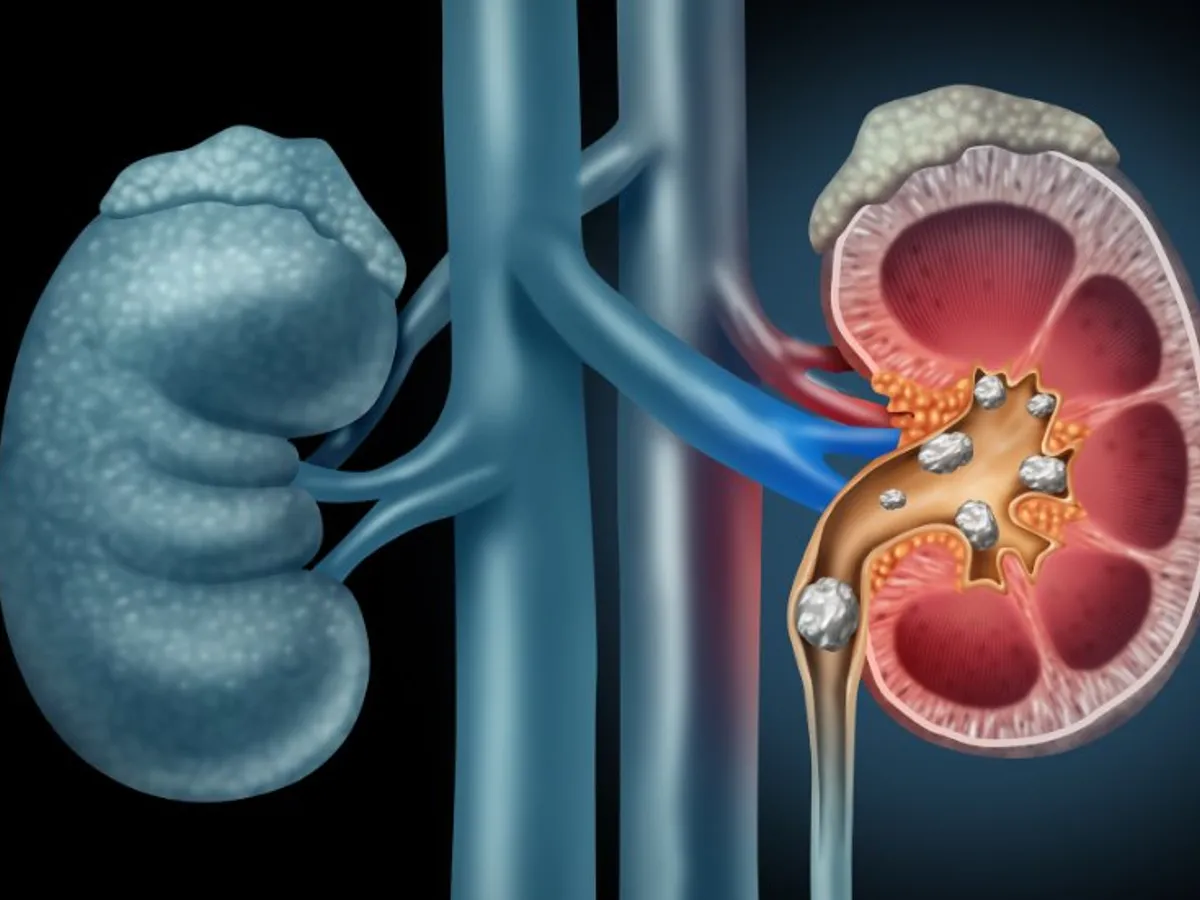
Kidney stones are hard deposits of minerals and salts that form inside the kidneys. They develop when urine becomes concentrated, allowing substances like calcium, oxalate, and uric acid to crystallize and stick together.
- Size & Form: Stones can be as small as a grain of sand or as large as a golf ball.
- Occurrence: They can stay in the kidney or travel down the urinary tract, causing pain when they obstruct urine flow.
- Common Types: Calcium stones, uric acid stones, struvite stones, and cystine stones.
Kidney stones are not life-threatening in most cases but can cause intense pain and complications if untreated.
What Is Kidney Failure?
Kidney failure, also known as renal failure, is a severe condition where the kidneys lose their ability to filter waste and excess fluids from the blood. This leads to a dangerous buildup of toxins in the body.
- Types:
- Acute Kidney Failure (AKF) – develops suddenly, often reversible with timely treatment.
- Chronic Kidney Disease (CKD) – progressive and long-term damage that may lead to end-stage renal disease.
- Impact: Kidney failure is a life-threatening condition that often requires dialysis or kidney transplant.
- Causes: Diabetes, hypertension, infections, autoimmune diseases, and prolonged use of certain medications.
Unlike kidney stones, kidney failure has far-reaching health consequences and affects multiple body systems.
Kidney Stones Vs Kidney Failure: Key Differences
To understand clearly, let’s look at a side-by-side comparison:
| Aspect | Kidney Stones | Kidney Failure |
|---|---|---|
| Definition | Hard mineral deposits forming in the kidneys | Loss of kidney function, leading to toxin buildup |
| Severity | Painful but usually not life-threatening | Life-threatening if untreated |
| Cause | Dehydration, excess salt, high protein diet, family history | Diabetes, hypertension, chronic infections, autoimmune diseases |
| Symptoms | Severe pain (flank pain), blood in urine, nausea, frequent urination | Fatigue, swelling, decreased urine output, shortness of breath, confusion |
| Treatment | Increased water intake, pain management, medications, surgery (in severe cases) | Dialysis, medication, lifestyle changes, kidney transplant (in advanced cases) |
| Reversibility | Usually treatable and curable | Often irreversible in chronic cases |
| Prognosis | Good with timely treatment | Requires lifelong management in chronic stages |
Symptoms: How They Differ
Kidney Stones
- Sudden, sharp pain in the lower back or side
- Pain radiating to the groin and abdomen
- Burning sensation during urination
- Blood in urine (hematuria)
- Nausea and vomiting
- Frequent urge to urinate
Kidney Failure
- Persistent fatigue and weakness
- Swelling in feet, ankles, and hands (edema)
- Reduced urine output or foamy urine
- Shortness of breath due to fluid retention
- Persistent itching and skin dryness
- Difficulty concentrating, confusion, or sleep problems
- High blood pressure that is difficult to control
Causes: Why Do They Happen?
Kidney Stones
- Low water intake leading to concentrated urine
- High salt and protein diets
- Family history of kidney stones
- Certain medical conditions, like gout and urinary tract infections
- Lifestyle factors such as obesity and sedentary habits
Kidney Failure
- Diabetes – leading cause of chronic kidney disease
- Hypertension (high blood pressure) – damages blood vessels in the kidneys
- Long-term infections and autoimmune disorders
- Obstructed urine flow (from stones, tumors, or enlarged prostate)
- Long-term use of certain medications, including NSAIDs and antibiotics
Diagnosis: How They Are Detected
- Kidney Stones: Detected through ultrasound, CT scan, or X-rays; urine tests may show high mineral content.
- Kidney Failure: Diagnosed with blood tests (creatinine, urea levels), urine tests, ultrasound, or kidney biopsy.
Treatment Approaches
Treating Kidney Stones
- Small Stones: Drinking more water, pain relievers, and medications that relax the ureter.
- Large Stones:
- Shock Wave Lithotripsy (SWL) – breaks stones into smaller pieces.
- Ureteroscopy – removal with a scope.
- Surgery (Percutaneous Nephrolithotomy) – for very large stones.
Treating Kidney Failure
- Acute Kidney Failure: Addressing the underlying cause (e.g., infection, dehydration, obstruction).
- Chronic Kidney Failure:
- Controlling diabetes and hypertension
- Dialysis (hemodialysis or peritoneal dialysis)
- Kidney transplant in end-stage cases
Prevention: Staying Kidney Healthy
Preventing Kidney Stones
- Drink at least 8–10 glasses of water daily
- Reduce excess salt, animal protein, and sugar
- Eat a diet rich in fruits, vegetables, and whole grains
- Maintain a healthy body weight
- Avoid excessive intake of sodas and processed foods
Preventing Kidney Failure
- Manage blood sugar and blood pressure levels
- Avoid unnecessary use of painkillers and over-the-counter drugs
- Quit smoking and limit alcohol
- Maintain a healthy diet low in processed foods and rich in fiber
- Regularly monitor kidney function if you have risk factors (diabetes, hypertension, family history)
Although kidney stones and kidney failure both affect the kidneys, they are very different conditions. Kidney stones are typically a temporary and treatable problem, though painful and disruptive. In contrast, kidney failure is a serious, often irreversible disease that can be life-threatening if not managed properly.
Understanding the differences between the two helps in early detection, better management, and prevention. By staying hydrated, eating a balanced diet, and managing chronic conditions like diabetes and high blood pressure, you can significantly lower your risk of both kidney stones and kidney failure.

















Leave a comment