

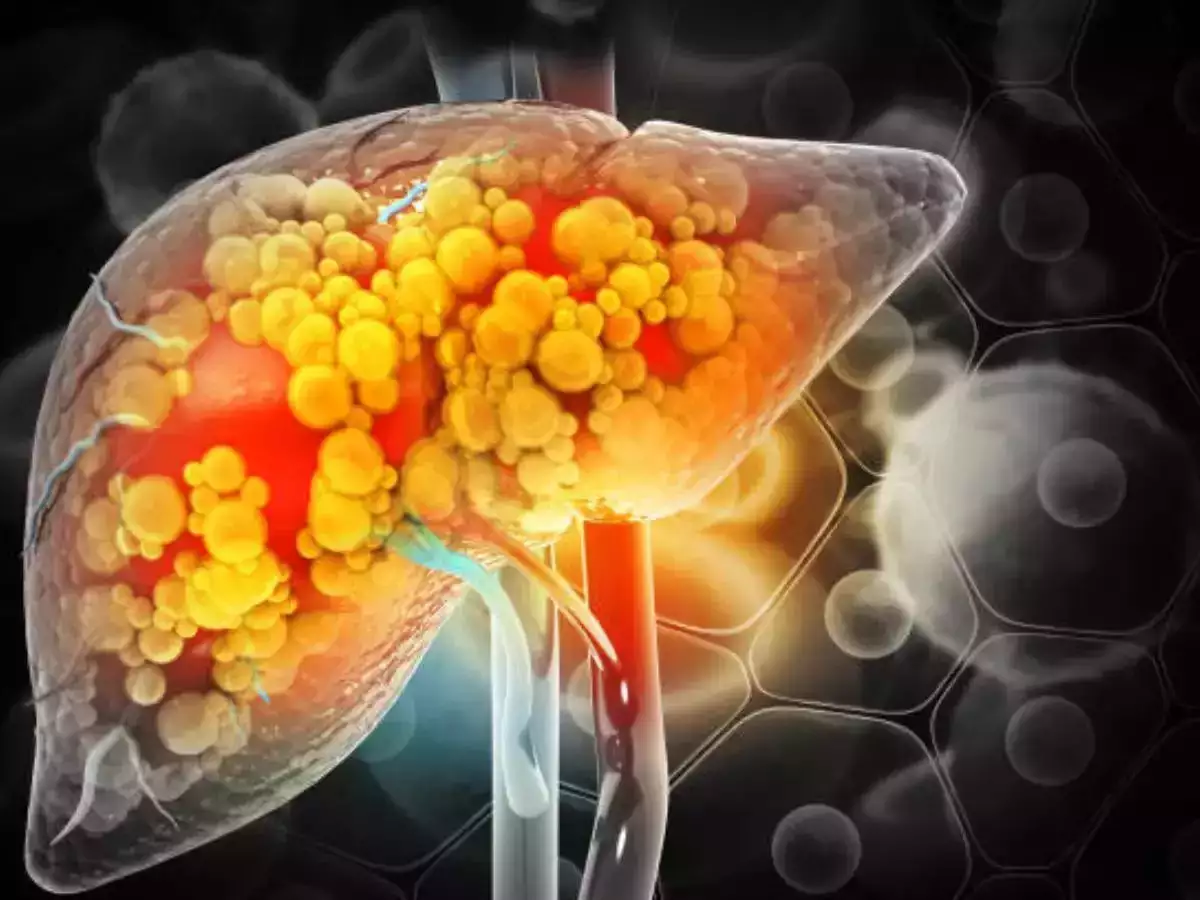
New Delhi, 04 August 2025: A shocking health revelation has emerged from India’s tech corridors. A recent government-backed health screening initiative revealed that over 80% of Indian IT professionals are suffering from fatty liver disease, also known as Non-Alcoholic Fatty Liver Disease (NAFLD). The situation has triggered nationwide concern, prompting the central government to launch mandatory liver screenings across the IT sector.
This silent epidemic is being largely attributed to sedentary lifestyles, irregular eating habits, and lack of physical activity, which are becoming increasingly common in high-stress corporate jobs.
What Is Fatty Liver Disease?
Fatty liver disease occurs when excess fat builds up in the liver. When this fat accumulation exceeds 5% of the liver’s weight, it can lead to inflammation, scarring, and even liver failure if left untreated. In India, the most common form is NAFLD (Non-Alcoholic Fatty Liver Disease), often seen in people who do not consume alcohol but follow unhealthy lifestyles.
Why the IT Sector Is at High Risk
IT professionals often spend 10–12 hours a day sitting in front of screens, rarely engaging in physical activity during or after work hours. Add to this a diet rich in processed foods, high sugar intake, frequent ordering of fast food, and insufficient sleep, and you have the perfect storm for metabolic disorders like obesity, insulin resistance, and fatty liver disease.
According to the Ministry of Health’s preliminary data:
- 8 out of 10 IT employees tested positive for fatty liver markers
- Most of these professionals are aged 25 to 40 years, indicating an early onset
- A significant number also showed elevated cholesterol and triglyceride levels
Government Response: Health Screenings Ordered
Alarmed by these findings, the Indian government has ordered compulsory liver health screenings across major IT hubs, including Bengaluru, Hyderabad, Pune, Gurugram, and Chennai. The screenings will be conducted under the National Program for Prevention and Control of Cancer, Diabetes, Cardiovascular Diseases and Stroke (NPCDCS).
Key measures include:
- Annual fatty liver screening as part of routine checkups
- Lifestyle counselling for tech employees
- Workplace wellness programs in partnership with IT companies
- Incentives for firms promoting preventive healthcare
Symptoms of Fatty Liver You Should Not Ignore
One of the biggest dangers of fatty liver disease is that it often has no symptoms in its early stages. However, some signs to look out for include:
- Persistent fatigue and low energy levels
- Discomfort or pain in the upper right abdomen
- Unexplained weight gain, especially around the belly
- Elevated liver enzymes in blood reports
- Difficulty concentrating or “brain fog”
If left undiagnosed, fatty liver can progress to Non-Alcoholic Steatohepatitis (NASH), fibrosis, cirrhosis, and eventually liver cancer.
How to Prevent Fatty Liver: Expert-Backed Tips
Health experts suggest that fatty liver disease is completely reversible in its early stages with the right lifestyle interventions. Here’s what can help:
1. Incorporate Daily Physical Activity
Even 30–45 minutes of walking, yoga, or light exercise can dramatically improve liver health. Try to take short walks during work breaks.
2. Switch to a Liver-Friendly Diet
Eat more fiber-rich foods, vegetables, fruits, whole grains, and lean proteins. Reduce sugar, fried foods, and refined carbs. Include flaxseeds, avocados, garlic, and green tea for liver support.
3. Limit Screen Time After Work
Avoid binge-watching or working late into the night. Instead, take time to unwind, stretch, or go for a walk.
4. Avoid Alcohol and Smoking
Even though this is non-alcoholic fatty liver, drinking and smoking worsen liver damage significantly.
5. Get Regular Health Checkups
Annual liver function tests (LFTs) and ultrasound can help in early detection. Don’t wait for symptoms to show.
Rising Trend of Lifestyle Diseases in Corporate India
Fatty liver isn’t the only health challenge. Indian IT professionals are also at increased risk for:
- Hypertension
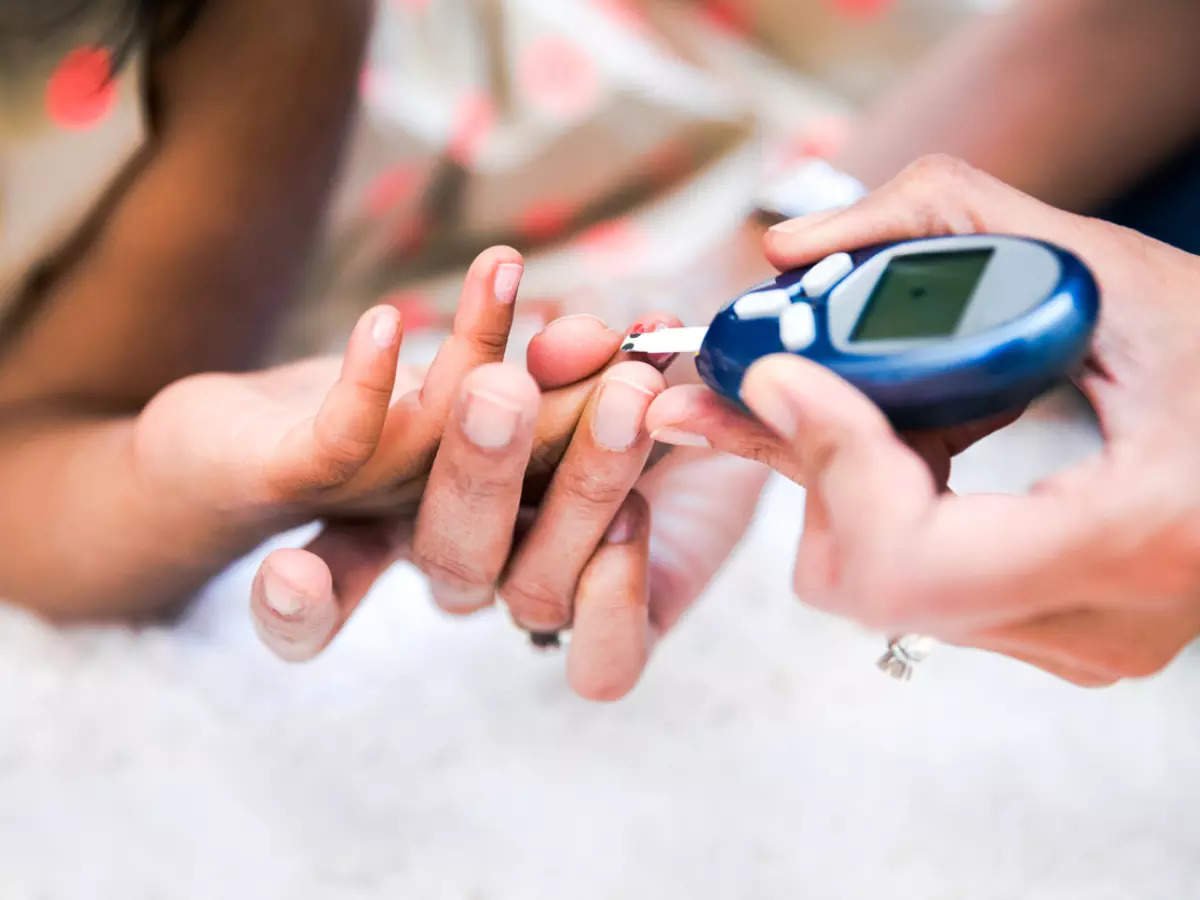
- Type 2 diabetes
- High cholesterol
- Obesity
- Mental health issues like anxiety and depression
These are all interconnected lifestyle diseases and require an integrated preventive approach — including physical activity, mindful eating, and stress management.
What Experts Are Saying
Dr. Pradeep Sharma, hepatologist at AIIMS, states:
“The IT sector is showing a pattern of metabolic dysfunction — fatty liver is just the tip of the iceberg. If this is not controlled now, we may see a sharp rise in liver transplants in the next decade.”
Similarly, NASSCOM, India’s premier IT industry body, is reportedly working with health authorities to draft a corporate wellness mandate that includes liver health screenings and fitness accountability.
Fatty Liver Epidemic In India: What’s Next?
The discovery that over 80% of Indian IT professionals have fatty liver disease is not just a medical wake-up call — it’s a national health emergency in the making. With millions employed in the tech sector, the consequences of ignoring this trend could be severe and far-reaching.
By embracing preventive healthcare, early screening, and lifestyle changes, individuals and employers can help reverse this silent epidemic and ensure a healthier, more productive workforce.
















Leave a comment