

New Delhi, 21 December 2024: India has made remarkable strides in its fight against malaria, according to the latest World Health Organization (WHO) report. The country’s concerted efforts to combat this mosquito-borne disease have led to a significant reduction in malaria cases, showcasing the success of targeted interventions and community involvement.
WHO Applauds India’s Achievements
The WHO report highlights that India has seen a drastic decline in malaria cases over the past few years, positioning the country as a leader in the global fight against the disease. The reduction is attributed to a combination of government initiatives, advanced diagnostic tools, and community-driven awareness campaigns.
Dr. Tedros Adhanom Ghebreyesus, Director-General of WHO, commended India for its achievements, stating, “India’s commitment to eliminating malaria is evident in the significant progress made. The country serves as a model for other nations striving to combat this disease.”
Key Statistics from the Report
India has reported a substantial drop in malaria cases, with a reduction of over 85% in cases and 83% in deaths compared to 2015.
In 2022, India registered around 45,000 cases, a sharp decline from over 1.5 million cases reported in 2000.
States like Odisha, Chhattisgarh, Jharkhand, and Madhya Pradesh, previously malaria hotspots, have shown remarkable improvement.
This success has brought India closer to achieving its goal of becoming malaria-free by 2030, in line with the WHO Global Technical Strategy for Malaria 2016–2030.
Government Initiatives Driving Success
The Indian government has implemented a series of robust measures under the National Framework for Malaria Elimination (NFME) 2016–2030. Key initiatives include:
Access to Diagnosis and Treatment: Free diagnostic services and access to antimalarial drugs in rural and tribal areas have been instrumental in reducing the disease burden.
Enhanced Surveillance: Improved monitoring and reporting mechanisms have enabled the early detection and treatment of cases.
Distribution of Long-Lasting Insecticidal Nets (LLINs): Millions of LLINs have been distributed in high-risk areas to prevent mosquito bites.
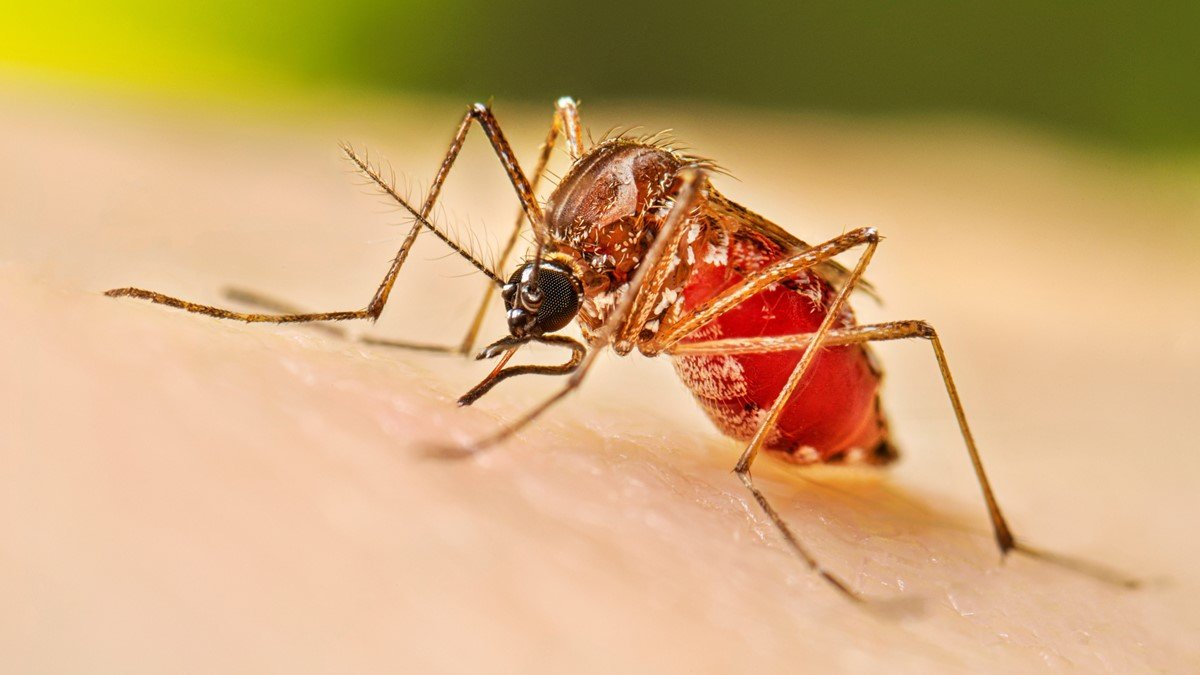
Vector Control Programs: Intensive mosquito control efforts, such as indoor residual spraying and larval source management, have helped curb mosquito populations.
Community Participation and Awareness Campaigns
One of the cornerstones of India’s success has been the active involvement of communities in malaria prevention and control. Public awareness campaigns, supported by local health workers and NGOs, have educated people about the importance of using mosquito nets, keeping surroundings clean, and seeking timely treatment.
The use of technology, such as mobile apps for disease tracking and telemedicine services, has further empowered communities to take charge of their health.
Challenges Ahead
Despite the significant progress, challenges remain in eradicating malaria completely. Factors such as:
Drug Resistance: Emerging resistance to antimalarial drugs poses a threat to treatment efficacy.
Climate Change: Changing weather patterns can expand mosquito habitats, increasing the risk of outbreaks.
Hard-to-Reach Populations: Remote and tribal areas still face barriers to healthcare access, making them vulnerable to malaria transmission.
To address these challenges, sustained efforts, increased funding, and innovative solutions will be critical.
Global Implications of India’s Progress
India’s success story has broader implications for global malaria control efforts. As one of the highest malaria-burden countries in the past, India’s reduction in cases significantly contributes to the worldwide decline in malaria incidence.
Countries in the Global South, particularly those in Africa and Southeast Asia, can learn from India’s multi-pronged approach to tackling malaria. The sharing of best practices and technologies can accelerate global efforts to eliminate the disease.
India’s progress in reducing malaria cases is a testament to the power of collective action, strategic planning, and community engagement. With continued determination and investment, the goal of eliminating malaria by 2030 is within reach.
As India leads the charge in the fight against this ancient disease, it serves as a beacon of hope for a malaria-free world, where millions of lives can be saved, and communities can thrive without the burden of this preventable disease.














Leave a comment