

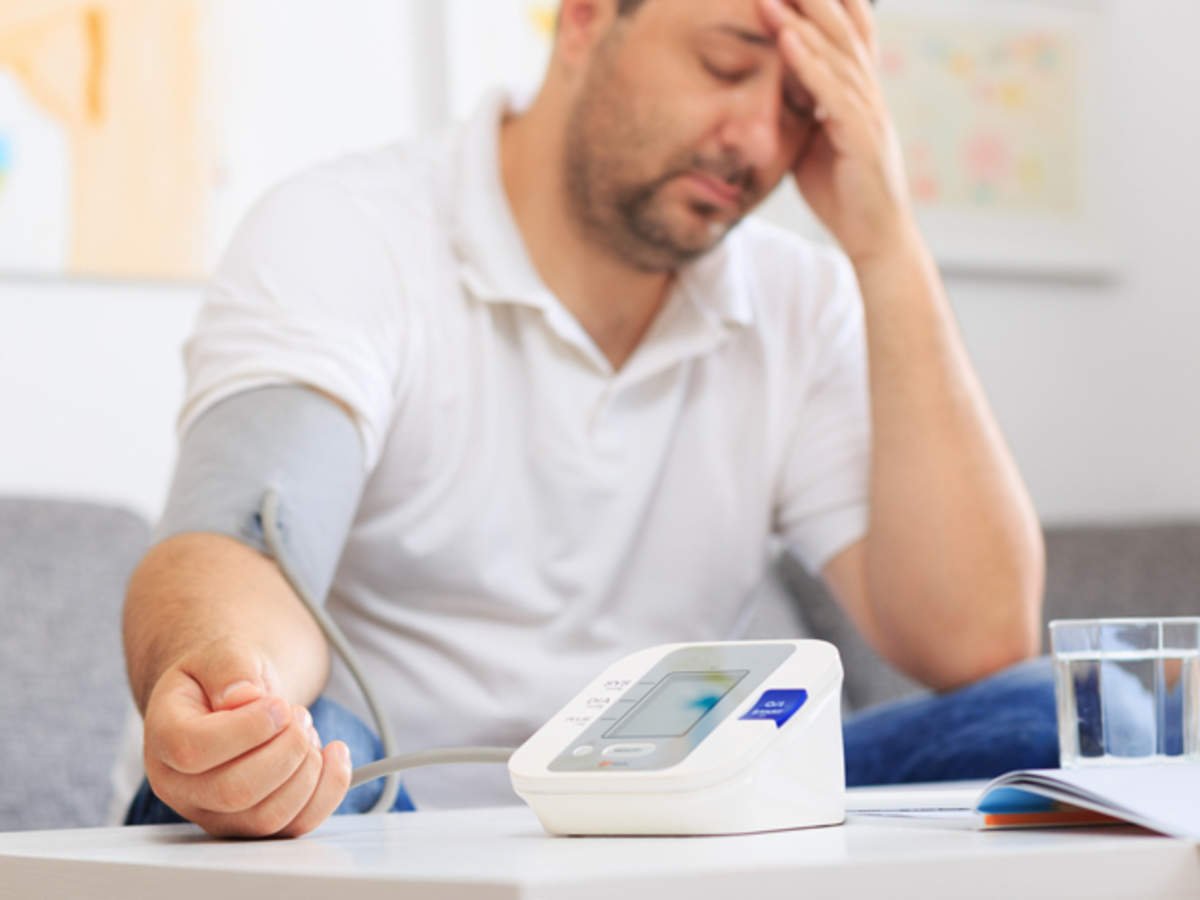
Think about a health crisis quietly affecting over 200 million Indians. The Indian Council of Medical Research (ICMR) estimates that 200 million adults in India suffer from hypertension. Shockingly, only about 20 million of them have their condition under control. This has turned hypertension into a “serious, and growing, health issue in India today,” the medical body stated in a report.
Hypertension, or high blood pressure, occurs when the force of blood against the artery walls is too high. Over time, this can cause health problems, such as heart disease. Blood pressure is measured in mm of mercury (mm Hg) and has two numbers. The first number (systolic) measures the pressure in your arteries when your heart beats. The second number (diastolic) measures the pressure in your arteries when your heart rests between beats. A normal blood pressure reading is less than 120/80 mm Hg.
Symptoms of Hypertension
One of the reasons hypertension is so dangerous is that it often has no noticeable symptoms. Many people don’t realize they have high blood pressure until it causes severe health issues. However, some people might experience:
- Headaches
- Shortness of breath
- Nosebleeds
- Flushing
- Dizziness
- Chest pain
- Visual changes
- Blood in the urine
These symptoms aren’t specific to hypertension and usually don’t occur until high blood pressure has reached a severe or life-threatening stage.
Causes of Hypertension
There are several factors that can cause or contribute to high blood pressure:
1. Unhealthy Diet: A diet high in salt, fat, and cholesterol can lead to hypertension. Eating too much sodium (salt) increases blood pressure.
2. Lack of Physical Activity: Physical inactivity increases the risk of hypertension. Regular physical activity helps keep your heart and blood vessels strong and healthy.
3. Obesity: Being overweight or obese increases the strain on your heart, raising blood pressure.
4. Smoking and Alcohol Consumption: Smoking and excessive alcohol intake can damage your heart and arteries, leading to high blood pressure.
5. Stress: High levels of stress can temporarily increase blood pressure. If the stress becomes constant, it can lead to long-term hypertension.
6. Genetics: Hypertension can run in families. If your parents or other close relatives have high blood pressure, you are more likely to develop it.
7. Age: The risk of high blood pressure increases as you age.
8. Chronic Conditions: Conditions like diabetes, kidney disease, and sleep apnea can increase the risk of developing hypertension.
Prevention
Preventing and managing hypertension involves lifestyle changes and, in some cases, medication. Here are some effective ways to prevent and control high blood pressure:
Healthy Diet: Eat a balanced diet that is low in salt, fat, and cholesterol. The DASH (Dietary Approaches to Stop Hypertension) diet is often recommended. It includes plenty of fruits, vegetables, whole grains, and lean proteins.
Regular Exercise: Aim for at least 30 minutes of moderate-intensity exercise, such as brisk walking, most days of the week. Exercise helps maintain a healthy weight and lowers blood pressure.
Weight Management: Losing even a small amount of weight if you are overweight or obese can help reduce blood pressure.
Limit Alcohol: Drink alcohol in moderation. For women, this means up to one drink a day, and for men, up to two drinks a day.
Avoid Smoking: If you smoke, quitting can significantly reduce your risk of heart disease and high blood pressure.
Stress Reduction: Find healthy ways to manage stress, such as through exercise, meditation, or deep-breathing exercises.
Regular Check-Ups: Regular visits to your healthcare provider can help monitor your blood pressure and catch any changes early.
Medication: In some cases, lifestyle changes alone aren’t enough to control high blood pressure. Your doctor may prescribe medication to help lower your blood pressure.
Hypertension is a major health issue affecting a large number of people in India. Despite its seriousness, many people are unaware that they have it because it often has no symptoms. However, by understanding the causes, recognizing the symptoms, and taking steps to prevent and manage hypertension, we can reduce its impact on our lives. Regular check-ups, a healthy lifestyle, and following your doctor’s advice are crucial in keeping your blood pressure under control.















Leave a comment