Home Latest News Hypertension: The Silent Killer and How to Control It Naturally
Latest News

Hypertension: The Silent Killer and How to Control It Naturally

Share
Hyportension
Hyportension
Share

New Delhi, 16 May 2025: High blood pressure, medically known as hypertension, is often referred to as the “silent killer” because it typically shows no symptoms while quietly damaging the body. Many individuals are unaware they even have hypertension until it leads to severe health complications such as heart attacks or strokes. This makes regular monitoring and healthy lifestyle choices absolutely essential.

Why Is Hypertension Called the “Silent Killer”?

Hypertension often develops gradually and presents no noticeable signs or symptoms. Over time, uncontrolled high blood pressure can damage vital organs including the heart, brain, kidneys, and eyes — all without warning. If left untreated, it significantly raises the risk of serious health problems like:

Heart attacks

Strokes

Kidney disease

Vision loss

This silent progression is what earns it the dangerous nickname. Regular blood pressure screenings, particularly for adults over 40 or those with a family history of hypertension, are crucial for early detection and management.

Natural Ways to Control High Blood Pressure

The American Heart Association (AHA) and American Diabetes Association (ADA) recommend several evidence-based lifestyle changes that can help lower and control high blood pressure naturally:

  1. Follow the DASH Diet: The Dietary Approaches to Stop Hypertension (DASH) diet specifically designed to reduce blood pressure. This diet is low in saturated fat, cholesterol, and sodium, all of which contribute to healthier blood pressure levels.
  2. Cut Down on Sodium: Reducing sodium intake can have a major impact. It recommended to consume:
  3. Be Physically Active: Regular aerobic exercise helps strengthen the heart and improve blood flow, which in turn lowers blood pressure. Aim for:
  4. Maintain a Healthy Weight: Carrying excess weight increases strain on the heart. Losing even a small amount of weight can lead to noticeable improvements in blood pressure levels. Maintaining a healthy BMI should be a priority for those at risk.
  5. Limit Alcohol and Avoid Tobacco: Alcohol and tobacco both raise blood pressure and damage blood vessels. To reduce hypertension risk:
  6. Manage Stress Effectively: Chronic stress can contribute to long-term blood pressure problems. Consider incorporating stress-relief practices into your daily routine, such as:

Meditation

Yoga

Deep breathing exercises

Spending time in nature

Regular Monitoring Is Key

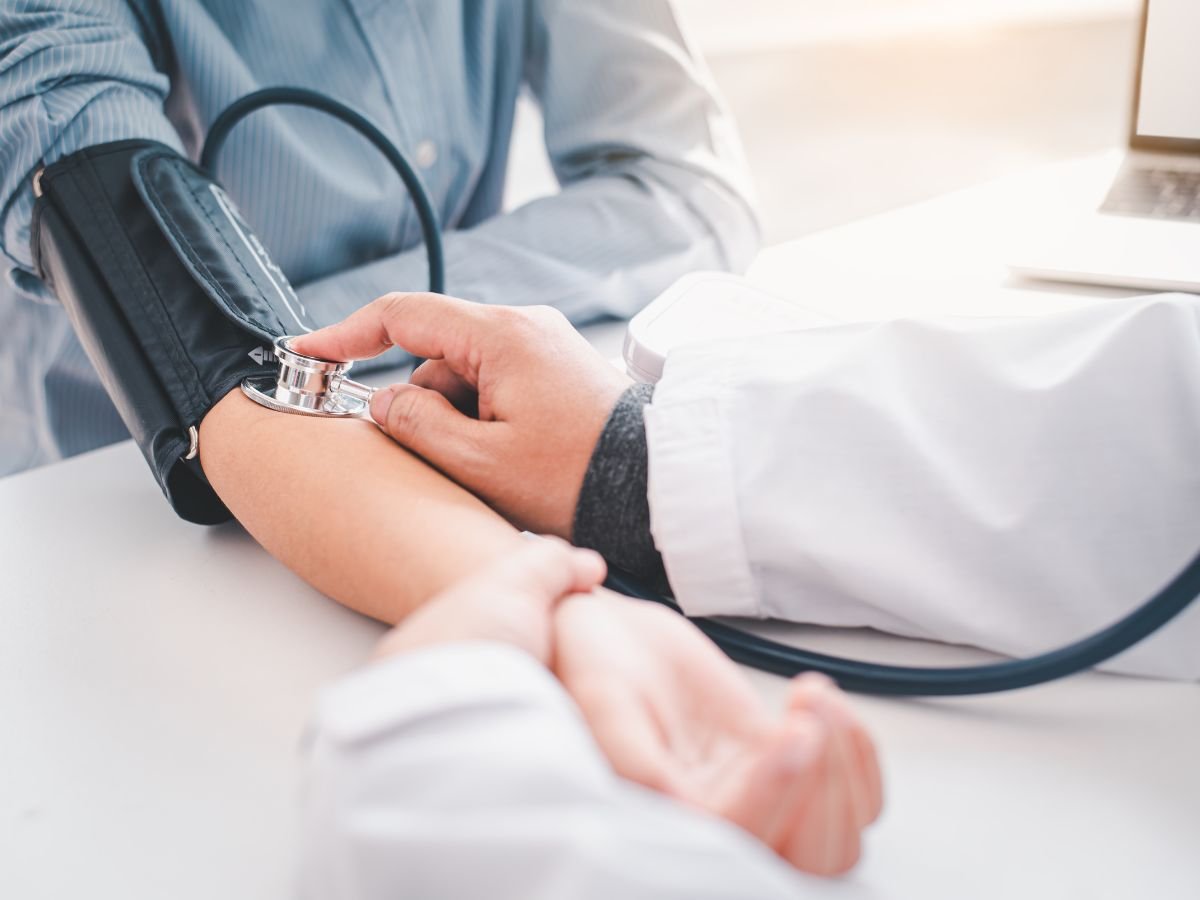
Since hypertension often goes unnoticed, routine monitoring is essential. Adults should check their blood pressure:

At least once every two years

More frequently if they have risk factors or family history

Using a validated home blood pressure monitor can help track readings over time, but it’s important to consult a healthcare provider for accurate interpretation.

Share
Written by
kirti Shah

Kirti is a Health Editor at Healthwire Media, specializing in health journalism and digital health communication. With over four years of experience in the healthcare media landscape, she is dedicated to transforming complex clinical data into accessible, patient-friendly information. Kirti oversees the editorial lifecycle of every article, ensuring they meet rigorous fact-checking standards and align with the latest guidelines from primary sources like the WHO and Ministry of Health. In her role, Kirti works closely with a panel of board-certified physicians and medical reviewers to ensure that every piece of content published is not only easy to understand but also medically accurate and safe for the public. She is passionate about health literacy and helping readers navigate their wellness journeys with confidence.

Leave a comment

Leave a Reply

Your email address will not be published. Required fields are marked *

Don't Miss

Latest News

World Preeclampsia Day 2026: Why pregnant women with hypertension need consistent antenatal care

Maintaining a healthy blood pressure during pregnancy is extremely important because this is a crucial phase in a woman’s life. Preeclampsia is a...

Latest News

Excess Weight Gain During Pregnancy May Increase Allergy Risk In Children, Studies Warn

Numerous studies have indicated that prenatal weight gain could be affected on the chances of allergic diseases in later childhood. Researchers are now...

Latest News

Ebola Scare In India? Delhi IGI Airport Issues Health Alert For International Travellers

As concerns over the rapidly spreading Ebola outbreak continue to grow globally, authorities in India have stepped up surveillance measures at airports, particularly...

Heart Failure
Latest News

Heart failure warning signs: 5 early symptoms you should never ignore

Heart-related diseases are no longer limited to older adults. Along with the unhealthy lifestyle, stress levels, diabetes, hypertension, smoking and disturbances in the...

Latest News

Ebola Outbreak 2026: WHO Warns of Dangerous New Strain as Cases Rise Across Congo and Uganda

Just when the world believed the worst years of global viral outbreaks were finally over, one of the deadliest viruses in the world...

Section title

Related Articles
Latest News

Nipah Alert In Kerala: Fresh Suspected Case Puts Health Authorities On High Alert In Kozhikode

A fresh Nipah virus scare has emerged in Kerala after a middle-aged...

Vitamin B12 Deficiency Symptoms In Men: 5 Warning Signs of Vitamin B12 Deficiency That Shouldn't Be Ignored
Latest News

Vitamin B12 and folate deficiency linked to chronic fatigue and low motivation, study finds

Constant fatigue and lack of energy are a common complaint from many...

Cancer
Latest News

Can a Routine CBC Test Detect Blood Cancer? Oncologist Explains the Early Warning Signs

Every routine health check-up usually begins with a Complete Blood Count (CBC)...

Stroke
Latest News

Stroke risk in summer: Why extreme heat can increase your chances of a brain attack

When temperatures soar during the summer months, most people worry about dehydration,...