


New Delhi, 24 December 2024: The World Health Organization (WHO) has reassured the public that the risk of human infection from the H5N1 bird flu virus remains low at present. This statement comes amidst growing concerns over the global spread of the virus among wild birds and poultry populations. The WHO emphasized the importance of vigilance and preparedness while maintaining that the current risk to humans is minimal.
What is the H5N1 Bird Flu Virus?
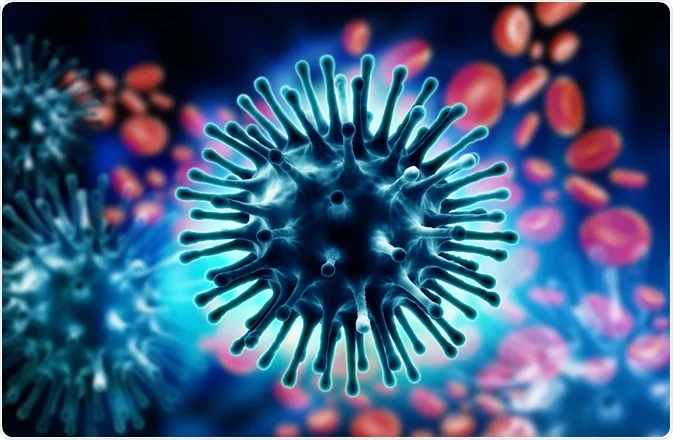
H5N1, also known as avian influenza, is a highly pathogenic strain of influenza virus that primarily affects birds. Since its identification in 1996, the virus has caused significant outbreaks in wild and domestic bird populations worldwide. While rare, the virus can infect humans, typically through direct contact with infected birds or contaminated environments.
Human cases of H5N1 infection are uncommon but can be severe. Symptoms often include fever, cough, and respiratory distress, which can progress rapidly to pneumonia and other complications. The fatality rate for confirmed human cases has historically been high, making H5N1 a virus of global concern.
Current Status of H5N1 Spread
In recent months, outbreaks of H5N1 have been reported across various regions, affecting wild birds and poultry farms. According to WHO, the virus has spread to new areas, raising concerns about its potential impact on agriculture and biodiversity. However, there have been no significant changes in the virus’s ability to infect humans.
The organization’s latest assessment indicates that the virus is not easily transmissible from birds to humans or between humans. “At this time, the risk of H5N1 spreading to humans remains low,” the WHO stated, urging countries to monitor the situation closely and report any unusual patterns of infection.
WHO’s Recommendations for Public Health On Bird Flu
While the risk of human infection remains low, the WHO has outlined several precautionary measures to minimize potential risks:
Surveillance and Reporting: Countries are advised to enhance surveillance systems for detecting cases of H5N1 in both birds and humans. Prompt reporting can help identify outbreaks early and contain their spread.
Protective Measures for Poultry Workers: Individuals who handle poultry are encouraged to use personal protective equipment (PPE) and follow hygiene protocols to reduce exposure to the virus.
Public Awareness: Educating the public about the risks of direct contact with infected birds and emphasizing the importance of proper food handling can significantly lower infection rates.
Vaccination Research: WHO continues to work with global partners to develop vaccines and antiviral treatments for avian influenza, ensuring preparedness in case of a potential outbreak.
What This Means for Humans
Although the H5N1 virus poses a serious threat to bird populations, its impact on humans remains limited. The primary mode of transmission continues to be direct exposure to infected birds or their secretions. Experts have reassured that there is no evidence of sustained human-to-human transmission, which would be a critical factor for a pandemic.
However, vigilance is essential. “The virus is unpredictable and can evolve,” said a WHO spokesperson. Mutations in the virus could potentially increase its transmissibility among humans, underscoring the need for continued research and monitoring.
How to Stay Safe
For individuals concerned about avian influenza, adhering to the following safety practices can minimize risks:
Avoid contact with wild birds and poultry, especially in outbreak areas.
Cook poultry and eggs thoroughly to eliminate potential pathogens.
Practice good hygiene, including frequent handwashing and sanitizing surfaces.
Report sick or dead birds to local authorities rather than handling them directly.
The H5N1 bird flu virus remains a critical area of focus for global health organizations, but current data suggests that the risk of human infection is low. The WHO’s ongoing efforts to monitor the virus, coupled with public adherence to safety measures, are vital for preventing potential outbreaks. While the situation requires vigilance, there is no cause for immediate alarm. Staying informed and following health guidelines will help ensure safety for both individuals and communities.













Leave a comment