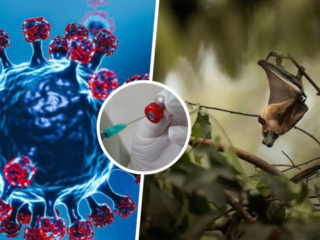
The Nipah virus presents a unique and severe challenge to the human immune system, often overwhelming the body’s natural defences before they can mount an effective response. Known for its aggressive behaviour and rapid spread within the body, the virus has been linked to high fatality rates during outbreaks, particularly in South and Southeast Asia.
Experts say the way Nipah interacts with the immune system is a key reason why the infection so often turns fatal.
Rapid Viral Replication Weakens Early Defences
Nipah is an RNA virus, a class of viruses known for fast replication and high mutation rates. In the early stages of infection, symptoms are often mild and non-specific—such as fever, headache, cough, or muscle pain. During this phase, the immune system responds as it would to a routine respiratory infection.
However, this initial response is frequently insufficient. The virus multiplies quickly, gaining a strong foothold before the immune system can fully activate targeted defences. This early advantage allows Nipah to spread beyond its initial entry point in the body.
Crossing Into the Brain Changes the Disease Course
A critical turning point in Nipah infection occurs when the virus crosses into the central nervous system. Unlike many respiratory viruses that remain confined to the lungs, Nipah can invade the brain, leading to encephalitis.
Once neurological involvement begins, disease severity escalates sharply. The immune response itself can become a double-edged sword—triggering inflammation that contributes to brain swelling, tissue damage, seizures, confusion, and loss of consciousness. At this stage, the body’s attempts to fight the virus may inadvertently worsen clinical outcomes.
No Targeted Therapy Leaves the Immune System Alone
One of the most serious challenges in Nipah virus infection is the absence of a specific antiviral treatment or approved vaccine. With no targeted therapy to assist the immune system, medical care is largely supportive, focusing on symptom management and prevention of complications.
As Dr. Dip Narayan Mukherjee, Consultant – Microbiology and Infectious Diseases at CK Birla Hospitals, CMRI, explains, the immune system is often left to control viral spread on its own—a task that becomes increasingly difficult once neurological symptoms such as seizures, confusion, and coma develop.
In many cases, the immune response is simply not strong or fast enough to eliminate the virus before irreversible damage occurs.
Delayed Symptoms Allow Viral Load to Surge
Another major factor is the time lag between infection and severe disease. By the time advanced neurological symptoms appear, the viral load may already be high, overwhelming the body’s defences.
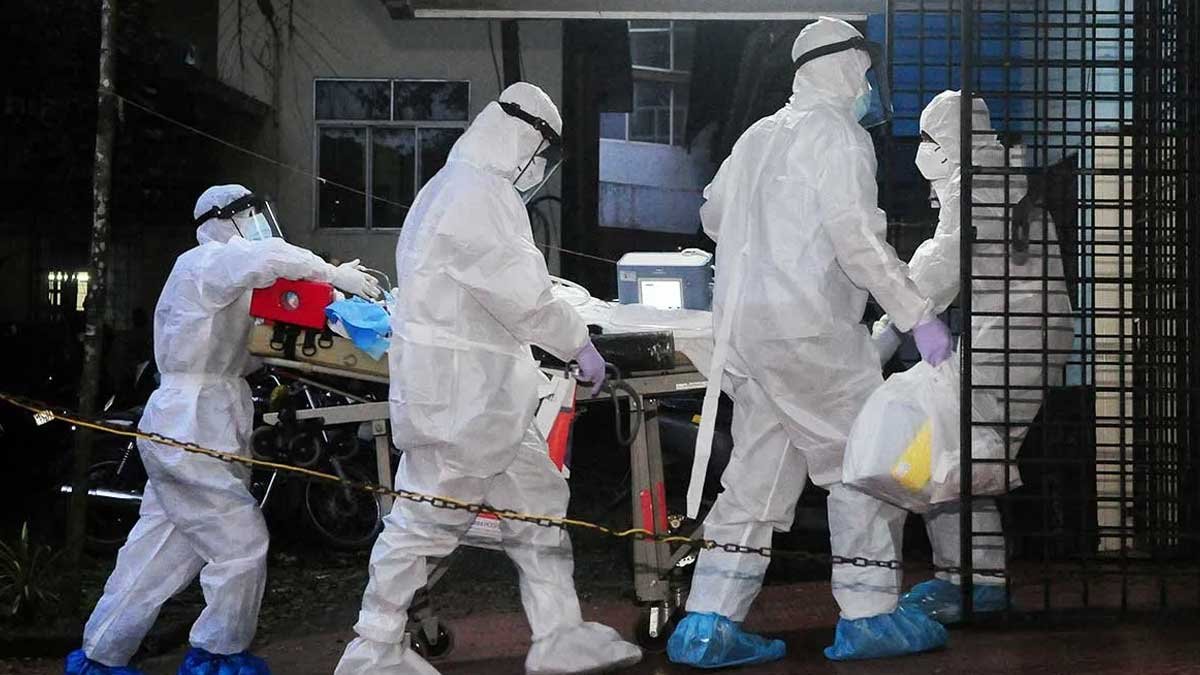
Delayed recognition not only worsens outcomes for patients but also increases the risk of exposure in hospital settings. Without early suspicion and isolation, healthcare workers and caregivers may be unknowingly exposed to the virus.
Why Early Isolation Matters for Immune Survival
Experts emphasise that strict infection control, early isolation, and prompt supportive care are essential—not only to prevent transmission, but to give the patient’s immune system the best possible chance to cope.
Until effective antivirals or vaccines become available, controlling exposure, recognising early warning signs, and escalating suspected cases quickly remain the strongest defences against Nipah virus.
Nipah virus overwhelms the immune system through rapid replication, delayed symptom recognition, and early invasion of the brain. With no targeted treatment available, the body oftenly left fighting an uphill battle. Early detection, isolation, and supportive care remain critical in improving survival and limiting the devastating impact of this deadly virus.