

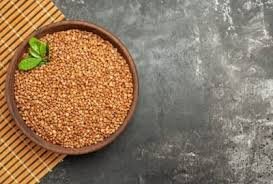
Kodo millet is a kind of annual grass that belongs to the Poaceae family (flowering grass) and has tiny seeds. It is used to make porridge, flour, and whole grains, among other things. It’s a good source of minerals like iron, calcium, and magnesium, as well as vitamins like B vitamins, proteins, and carbs. This particular variety of millet has long been consumed in certain regions of Southeast Asia, Africa, and India.
Kodo millet and other millets have drawn interest due to their possible health advantages, especially in helping diabetes people control their blood sugar levels. Diabetes is a complicated illness that is impacted by many different things. The following are the main reasons and risk factors that lead to the development of diabetes:
- Genetics and family history are important factors in the development of diabetes. Your chances of getting diabetes are higher if you have a close relative who already has the disease.
- When a person has type 1 diabetes, their immune system accidentally targets and kills the pancreatic beta cells that produce insulin. There could be a connection between genetic predisposition and environmental factors such viral infections.
- In type 2 diabetes, the pancreas either fails to generate enough insulin to meet the body’s needs, or the body develops resistance to the effects of insulin.
- Type 2 diabetes may be brought on by a diet heavy in processed foods, refined carbs, sweets, and saturated fats. Increased blood sugar, insulin resistance, and weight gain can all result from these dietary causes.
- Pregnancy-related hormonal changes and increased insulin resistance raise blood sugar levels.
It’s important to remember that while these characteristics raise the likelihood of developing diabetes, not everyone who possesses them will end up with the disease. However, incorporating kodo millet into a regular diet can help lower the risk of diabetes and effectively manage the illness. This is how kodo millet lowers the chance of developing diabetes:
- Minimal Glycemic Index (GI): Kodo millet doesn’t quickly raise blood sugar levels when eaten because of its low GI. For those who have diabetes, foods with a low GI are advantageous because they facilitate better blood sugar control.
- High Fiber Content: Kodo millet has a high dietary fiber content. Fiber is essential for reducing the rate at which sugar enters the system and averting sharp increases in blood sugar levels following meals.
- Nutrient Density: Kodo millet is a good source of essential nutrients such as vitamins, minerals, and antioxidants. These nutrients contribute to overall health and can support the body’s ability to manage blood sugar levels.
- Gluten-Free: Due to its natural lack of gluten, kodo millet is a good option for those who have celiac disease or gluten intolerance. A gluten-free diet has been linked to a lower incidence of type 1 diabetes and may help those with type 2 diabetes manage their blood sugar levels and gastrointestinal symptoms.
- Anti-Inflammatory components: Millets, such as kodo millet, have anti-inflammatory components that may aid in lowering inflammation and the dangers that go along with it.
- Controls Blood Lipids: Research indicates that a regular diet of millets, such as kodo millet, may assist in lowering cholesterol and enhancing lipid profiles, both of which are critical elements in lowering the risk of diabetes-related cardiovascular problems.
All things considered, Kodo millet, when added in moderation and paired with other foods high in nutrients, can be a useful part of a diet suitable for people with diabetes. Working with a doctor or nutritionist, however, is crucial to modify food suggestions to each person’s unique needs and interests.
















Leave a comment