

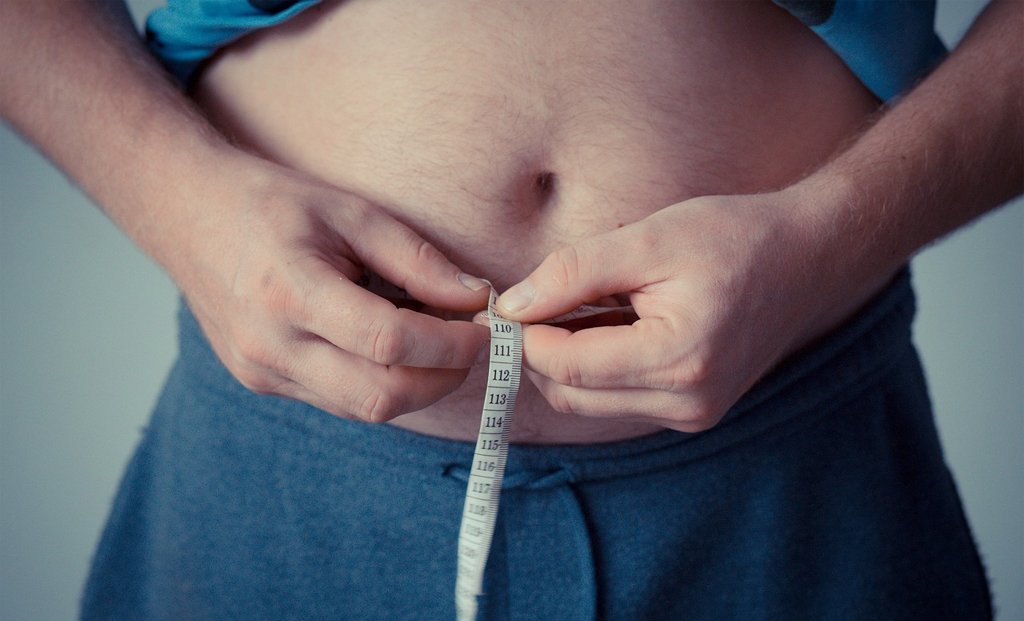
Belly fat isn’t just about diet or lack of exercise; hormones play a significant role in how your body stores fat, especially around the midsection. Two key hormones that influence belly fat are cortisol and insulin.
Cortisol, often referred to as the “stress hormone,” is released when you’re under physical or emotional stress. While it’s essential for managing stress, high levels of cortisol can lead to increased fat storage, particularly in the abdominal area. This is because cortisol triggers the body to store energy (in the form of fat) for future use, a survival mechanism from our ancestors’ time.
Insulin, the hormone responsible for regulating blood sugar levels, can also contribute to belly fat. When you consume a lot of refined carbs and sugars, your body produces more insulin to manage the blood sugar spike. Over time, this can lead to insulin resistance, where your cells stop responding effectively to insulin. The result? Excess sugar in the bloodstream gets converted into fat, often settling around your belly.
How Exercise Can Help?
Fortunately, regular exercise can help combat the effects of these hormones and reduce belly fat. Here’s how:
1. Reducing Cortisol Levels: Engaging in regular physical activity, particularly aerobic exercises like walking, running, or cycling, can lower cortisol levels in your body. Exercise helps to manage stress, which in turn reduces the amount of cortisol released. By keeping cortisol in check, you can prevent excessive fat accumulation around your abdomen.
2. Improving Insulin Sensitivity: Exercise, especially strength training and high-intensity interval training (HIIT), has been shown to improve insulin sensitivity. This means your body becomes more efficient at using insulin, which helps to lower blood sugar levels and reduce the likelihood of fat being stored around your belly. When your muscles become more insulin-sensitive, they’re better at absorbing glucose, leaving less sugar available to be stored as fat.
3. Boosting Metabolism: Regular exercise helps increase your metabolic rate, meaning you burn more calories even at rest. This is particularly true for strength training, which builds muscle mass. Since muscle burns more calories than fat, having more muscle can help you shed excess fat, including from your belly.
4. Encouraging Fat Loss Over Muscle Loss: When you lose weight through diet alone, you risk losing muscle mass along with fat. However, combining a balanced diet with regular exercise ensures that most of the weight lost comes from fat rather than muscle. Maintaining muscle mass is crucial because it keeps your metabolism high, making it easier to keep the belly fat off.
A Balanced Approach
While hormones like cortisol and insulin can make it more challenging to manage belly fat, incorporating regular exercise into your routine can make a significant difference. The key is consistency. Aim for a mix of aerobic exercise, strength training, and activities that reduce stress, such as yoga or meditation. Coupled with a balanced diet, these habits can help you achieve a flatter, healthier midsection over time.
Understanding the hormonal factors behind belly fat is the first step. The next is taking action through regular exercise, which not only helps reduce belly fat but also improves your overall health and well-being.
















Leave a comment