

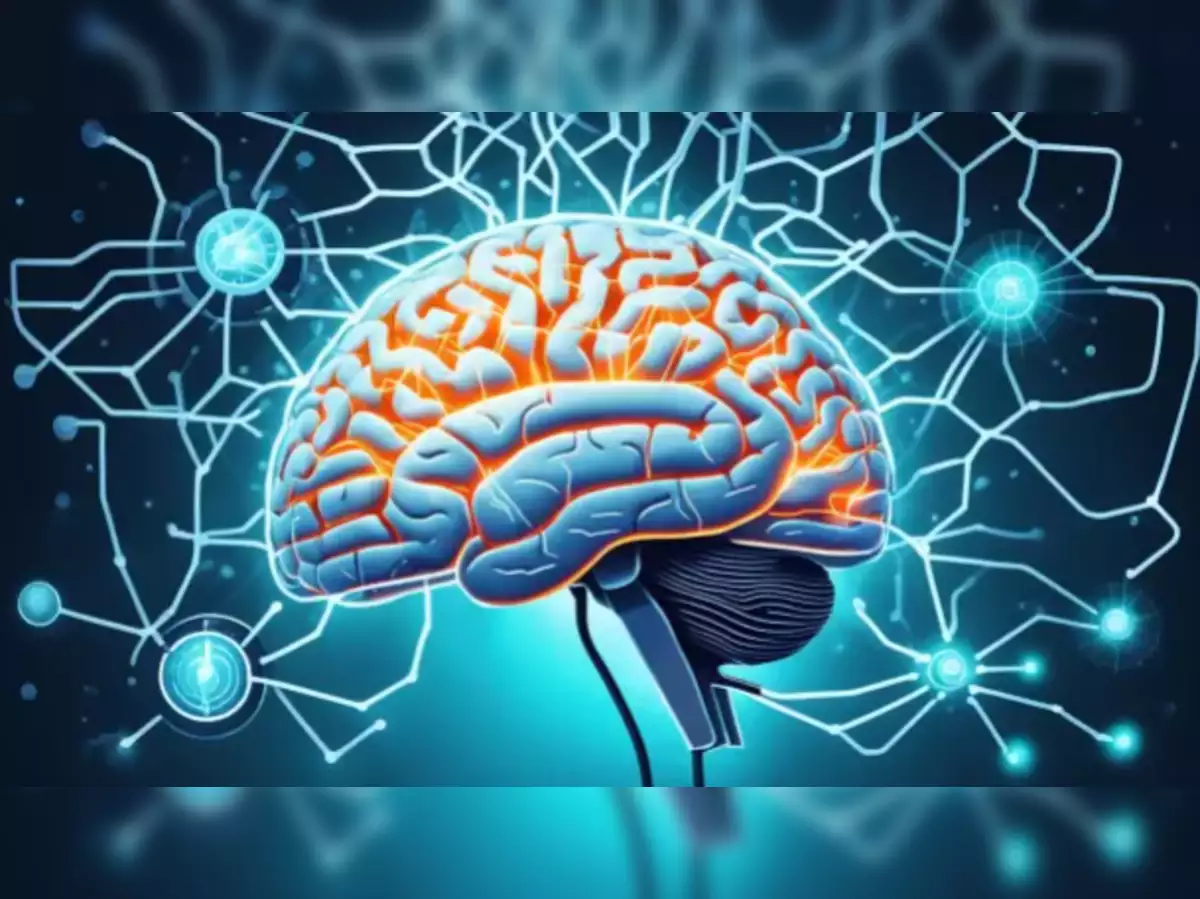
New Delhi, 31 July 2025: Stress is a part of everyday life. But when it becomes chronic—persisting for weeks, months, or even years—it doesn’t just affect your mood or energy levels. It rewires your brain. Modern neuroscience shows that prolonged exposure to stress can lead to significant changes in brain structure and function, particularly in areas that govern memory, emotional regulation, and decision-making.
In this article, we’ll explore the neuroscience behind chronic stress, how it alters your brain chemistry, the long-term consequences, and most importantly, what you can do to protect your mental health.
What Happens to the Brain During Stress?
When you’re stressed, your body releases a hormone called cortisol. In the short term, cortisol is beneficial—it helps you stay alert, improves focus, and enhances your body’s fight-or-flight response. But when cortisol levels remain elevated over time due to chronic stress, it disrupts the balance of chemicals in your brain.
Three key areas of the brain are most affected:
- Amygdala: This region processes fear and emotions. Chronic stress causes the amygdala to become hyperactive, making you more sensitive to perceived threats—even when they’re not real.
- Hippocampus: Critical for memory and learning, the hippocampus can shrink under prolonged stress due to high cortisol levels, impairing memory formation.
- Prefrontal Cortex: Responsible for decision-making, planning, and emotional regulation. Chronic stress reduces the activity and volume of this area, leading to poor judgment, impulsivity, and difficulty concentrating.
The Role of Neurotransmitters in Stress
Chronic stress also alters the levels of important neurotransmitters—chemical messengers in the brain—including:
- Dopamine: Linked to pleasure and motivation. Prolonged stress decreases dopamine levels, contributing to depression, lack of motivation, and fatigue.
- Serotonin: Often called the “happiness hormone,” it regulates mood and sleep. Chronic stress depletes serotonin, increasing the risk of anxiety and depression.
- Norepinephrine: This is part of the body’s immediate stress response. Elevated levels for extended periods can lead to heightened anxiety, insomnia, and blood pressure issues.
These chemical changes create a feedback loop—more stress causes more imbalance, and the imbalance increases susceptibility to further stress.
Structural Changes in the Brain
Research using MRI and other imaging technologies has shown that chronic stress can physically alter the brain’s structure:
- Grey matter reduction: Grey matter is responsible for processing information and controlling movement, memory, and emotions. Chronic stress can shrink grey matter, especially in the prefrontal cortex and hippocampus.
- Increased white matter: While white matter helps in communication between different brain regions, an excess may be linked to increased risk of mood disorders and impaired cognitive flexibility.
- Neuroinflammation: Prolonged stress triggers inflammation in the brain, which is now linked to a higher risk of neurodegenerative diseases such as Alzheimer’s and Parkinson’s.
Chronic Stress and Mental Health Disorders
Numerous studies have connected chronic stress with the onset and worsening of mental health conditions. These include:
- Depression: Due to reduced serotonin and dopamine, along with structural brain changes.
- Anxiety disorders: A hyperactive amygdala and disrupted prefrontal cortex increase anxiety responses.
- PTSD: Chronic stress, especially following trauma, affects the brain in ways that make it difficult to recover naturally.
- Substance abuse: Altered dopamine pathways can increase the risk of using substances for emotional relief.
Physical Health Implications of Brain Changes
Chronic stress doesn’t only affect your mind—it influences your entire body. As the brain’s command center becomes compromised, the following issues may arise:
- Heart disease and high blood pressure
- Weakened immune system
- Gastrointestinal issues like IBS
- Chronic fatigue and sleep disorders
- Weight gain or loss due to disrupted eating patterns
The brain and body are intricately connected, and stress-driven chemical changes can manifest in physical symptoms that further degrade quality of life.
How to Reverse or Prevent Brain Damage from Stress
The good news is that the brain has a remarkable ability to heal itself—called neuroplasticity. With the right interventions, you can reverse or reduce the impact of chronic stress on brain function.
1. Regular Physical Activity
Exercise boosts dopamine, serotonin, and endorphins, which help restore emotional balance. It also improves brain plasticity and can reduce hippocampal shrinkage.
2. Mindfulness and Meditation
Daily meditation can lower cortisol levels, shrink the amygdala, and strengthen the prefrontal cortex. Even 10–15 minutes a day can have profound effects.
3. Adequate Sleep
Sleep is critical for brain repair. Chronic sleep deprivation exacerbates stress-related brain damage. Aim for 7–9 hours per night.
4. Healthy Diet
Foods rich in omega-3 fatty acids, antioxidants, magnesium, and B vitamins support neurotransmitter function and brain health.
5. Social Support
Interacting with friends and loved ones boosts oxytocin—a hormone that reduces stress and fosters emotional regulation.
6. Therapy or Counseling
Cognitive Behavioral Therapy (CBT) can help identify stress triggers and retrain the brain’s responses. In some cases, medication might be necessary to correct imbalances.
The Neuroscience Is Clear: Chronic Stress Is Not Just a Feeling—It’s a Brain Changer
The next time you feel overwhelmed, remember: stress isn’t just “in your head”—it is actively altering your brain chemistry, potentially rewiring your behavior, memory, and even personality.
But it’s not all doom and gloom. With early awareness, lifestyle changes, and professional support when needed, your brain can adapt, recover, and grow stronger. Prioritize stress management not just for your mental peace, but to preserve your cognitive function, decision-making ability, and emotional health.
What To Know For Future Safety?
Understanding how chronic stress affects your brain empowers you to take control before long-term damage occurs. In a world that never slows down, managing stress must become a daily habit—not a last resort.
Whether it’s setting boundaries, taking time to breathe, or seeking help when things feel too much, each small act of self-care is a step toward protecting your brain and reclaiming your well-being.

















Leave a comment