

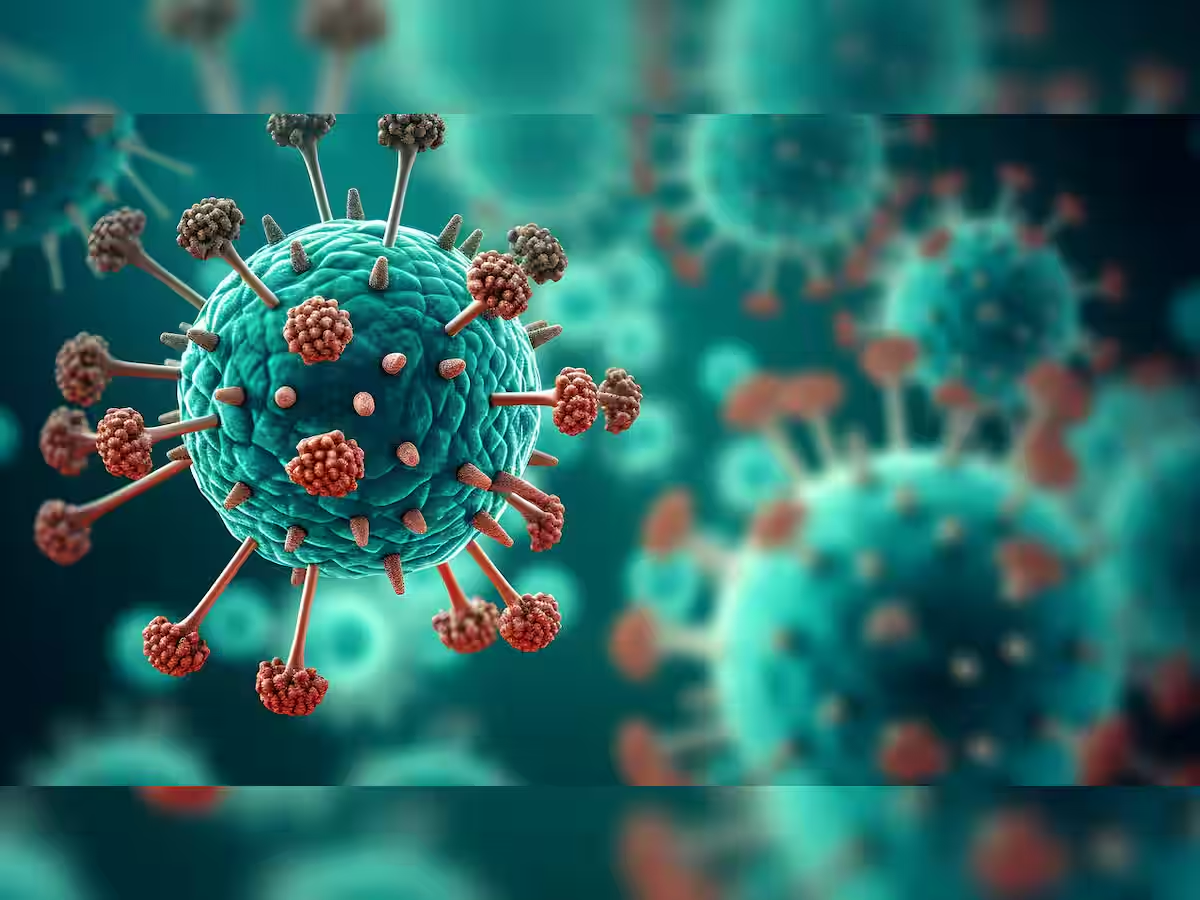
New Delhi, 08 January 2025: In recent years, respiratory viruses have taken center stage in public health discussions, with COVID-19 dominating headlines since its emergence in late 2019. However, another respiratory virus, human metapneumovirus (HMPV), has recently garnered attention for its impact on vulnerable populations. While both viruses can cause significant respiratory illness, their characteristics, transmission, and dangers differ in critical ways. Here’s a closer look at the key differences and risks posed by HMPV and COVID-19.
What Is HMPV?
Human metapneumovirus (HMPV) is a respiratory virus first identified in 2001. It primarily affects the respiratory tract, leading to symptoms that range from mild cold-like illnesses to severe respiratory complications. HMPV is closely related to respiratory syncytial virus (RSV) and often presents in similar ways, particularly in young children, older adults, and immunocompromised individuals.
HMPV is seasonal, typically peaking during late winter and early spring. Unlike COVID-19, HMPV has been around for decades, though its detection is less frequent due to limited routine testing.
What Is COVID-19?
COVID-19, caused by the SARS-CoV-2 virus, is a novel coronavirus that emerged in 2019. It rapidly spread across the globe, causing a pandemic with far-reaching health, economic, and societal impacts. COVID-19 affects the respiratory system but has been shown to have broader effects on other organs, leading to a variety of symptoms and complications.
Unlike HMPV, COVID-19 continues to mutate, resulting in new variants that may alter its transmissibility, severity, or vaccine effectiveness.
You May also like –

Key Differences in Transmission
Spread:
COVID-19 is primarily spread through respiratory droplets, aerosols, and surface contact. It is highly contagious, especially in its earlier variants. HMPV, while also spread through respiratory droplets, is generally less transmissible than COVID-19.
Incubation Period:
COVID-19 has an incubation period of 2–14 days, making it harder to detect early and increasing the risk of asymptomatic spread. In contrast, HMPV has a shorter incubation period, typically 4–6 days.
Asymptomatic Spread:
COVID-19 is notorious for its ability to spread from asymptomatic carriers. HMPV is less likely to be transmitted by individuals without symptoms, though mild cases can still contribute to its spread.
Symptoms and Severity
The symptoms of HMPV and COVID-19 overlap significantly, making diagnosis challenging without testing. Common symptoms include fever, cough, shortness of breath, and fatigue. However, there are notable differences:
HMPV:
Symptoms tend to be milder in healthy individuals and may resemble a common cold. Severe cases, however, can result in bronchiolitis, pneumonia, or acute respiratory distress, particularly in vulnerable groups such as infants, the elderly, and those with weakened immune systems.
COVID-19:
COVID-19 symptoms range from mild to severe and include unique features such as loss of taste or smell. Severe cases can lead to respiratory failure, blood clots, organ damage, and a heightened risk of long-term complications known as “long COVID.”
Dangers and Risk Groups
Both viruses pose significant risks to specific populations:
HMPV primarily affects young children, older adults, and immunocompromised individuals, with severe outcomes more common in these groups. Hospitalizations due to HMPV are not uncommon during its peak seasons.
COVID-19 presents a broader spectrum of risks, affecting people of all ages, though older adults, those with underlying health conditions, and unvaccinated individuals remain at the highest risk of severe outcomes.
COVID-19’s global spread, high mortality rate, and potential for overwhelming healthcare systems have made it a more pressing public health crisis than HMPV.
Diagnosis and Treatment
Testing:
COVID-19 diagnosis relies on PCR or rapid antigen tests. HMPV is less commonly tested for, typically diagnosed through PCR tests in hospital settings when respiratory illness of unknown origin is investigated.
Treatment:
There is no specific antiviral treatment for HMPV. Supportive care, including oxygen therapy and hydration, is the primary approach. For COVID-19, antiviral medications, monoclonal antibodies, and vaccines are available to reduce severity and prevent infection.
Preventive Measures
Preventing the spread of both viruses involves similar strategies: maintaining good hand hygiene, avoiding close contact with sick individuals, and staying home when unwell. Vaccines have been a game-changer for COVID-19, but no vaccine currently exists for HMPV.
Read Also – HMPV vs. COVID-19: Understanding the Key Differences and Potential Risks
While HMPV and COVID-19 share similarities as respiratory viruses, their public health impact and dangers differ significantly. COVID-19 remains a global threat due to its high transmissibility and severe complications. In contrast, HMPV, though serious in certain populations, poses a more localized and seasonal risk. Understanding these differences can help individuals and healthcare providers better prepare for and respond to respiratory illnesses, especially during peak seasons.














Leave a comment