

New Delhi, 10 November 2024: The World Health Organization (WHO) has put together an important list of 17 pathogens that need immediate attention for vaccine development. This action reflects the rising threats that infectious diseases pose to global health, including illnesses like HIV and malaria. The aim of the WHO’s initiative is to focus research and development efforts on these pathogens, which have the potential to trigger widespread outbreaks. It’s vital for the public to understand why this list matters, the pathogens it includes, and what it means for global health.
Infectious diseases are a leading cause of illness and death around the globe. They can easily cross borders, leading to serious public health crises. The WHO recognizes the necessity of being proactive in tackling these diseases, which is why they’ve compiled a list of the most dangerous pathogens affecting global health.
Why Focus on Vaccines?
Vaccines stand out as one of the most powerful means of preventing infectious diseases. They not only shield individuals but also foster herd immunity, lessening the overall disease burden within communities. The WHO stresses the importance of developing vaccines for these priority pathogens to save lives and lower healthcare costs.
The COVID-19 pandemic exposed gaps in global health systems and the urgent need to be better prepared for infectious diseases. As new pathogens arise and current ones change, the WHO’s list serves as an urgent reminder of the critical role vaccine development plays in protecting public health.
The 17 Priority Pathogens: Overview of the List
The WHO’s list comprises a variety of pathogens, including viruses and bacteria, recognized for their potential to cause outbreaks and their significance for global health. Prominent names on this list include HIV, malaria, and other diseases that significantly impact low-income countries.
Pathogens identified for vaccine research
Group A Streptococcus: Causes strep throat, scarlet fever, rheumatic fever
Hepatitis C virus: Causes hepatitis C, leading to liver disease and cancer
HIV-1: Causes HIV/AIDS
Klebsiella pneumoniae: Causes pneumonia, urinary tract infections, sepsis
Pathogens needing further vaccine development:
Cytomegalovirus: Causes congenital CMV infection, mononucleosis
Influenza virus (broadly protective vaccine): Causes influenza (flu)
Leishmania species: Causes leishmaniasis
Non-typhoidal Salmonella: Causes gastroenteritis, food poisoning
Norovirus: Causes acute gastroenteritis
Plasmodium falciparum: Causes malaria
Shigella species: Causes shigellosis, a type of bacterial dysentery
Staphylococcus aureus: Causes skin infections, pneumonia, sepsis, toxic shock syndrome
Pathogens with vaccines nearing regulatory approval or policy recommendations:
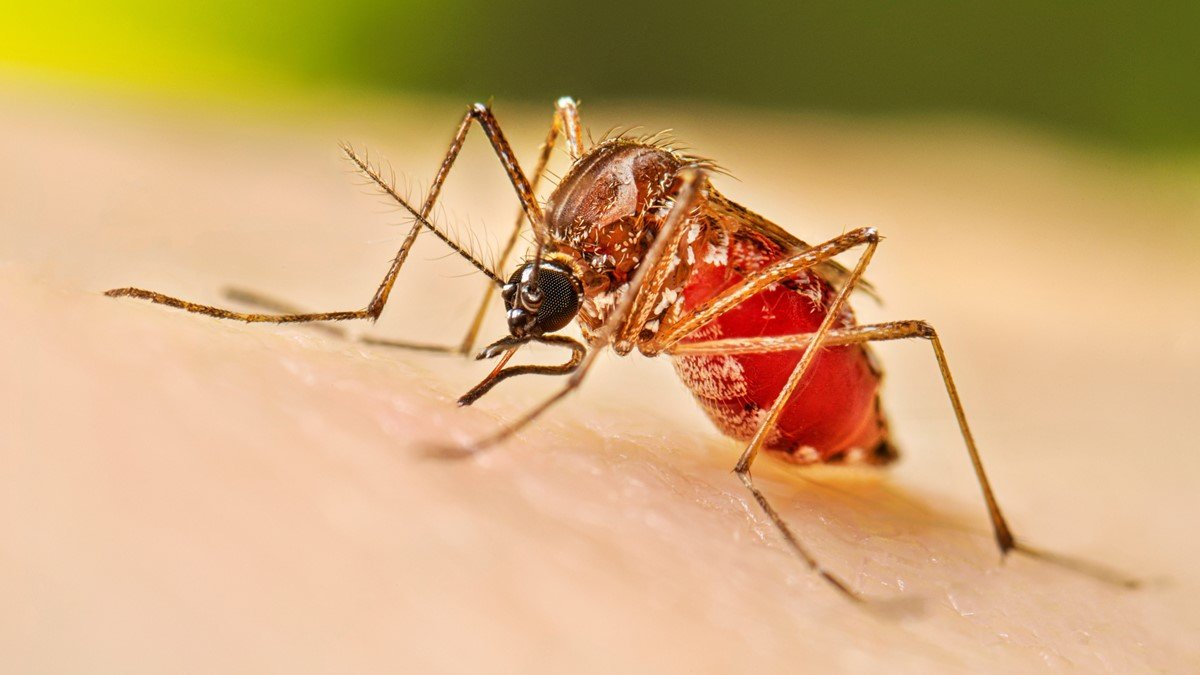
Dengue virus: Causes dengue fever
Group B Streptococcus: Causes neonatal sepsis, pneumonia, meningitis
Extraintestinal pathogenic E coli (ExPEC): Causes urinary tract infections, sepsis
Mycobacterium tuberculosis: Causes tuberculosis (TB)
Respiratory syncytial virus (RSV): Causes bronchiolitis, and pneumonia in infants and older adults
Key Pathogens Explained
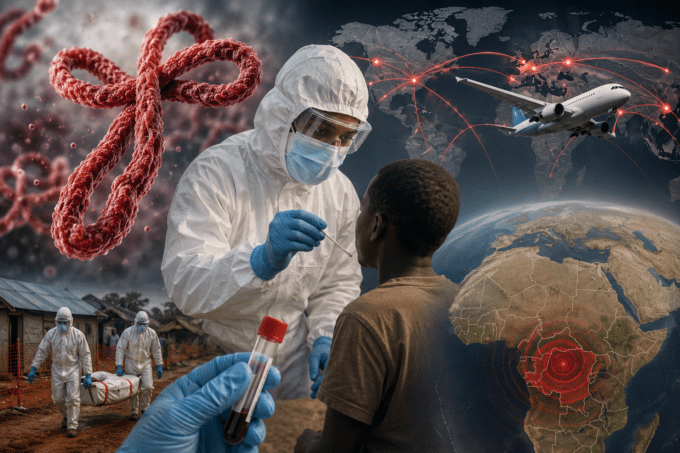
Among the pathogens listed, HIV remains a major concern due to its widespread prevalence and the ongoing need for effective vaccines. Malaria continues to pose a serious health challenge in many tropical areas, primarily caused by the Plasmodium parasite. Other notable threats include the Ebola virus, Zika virus, and several antibiotic-resistant bacteria, all of which carry significant health risks.
The WHO’s priority list is anticipated to spur funding and resources toward vaccine research and development. By drawing attention to these pathogens, the WHO aims to engage governments, the private sector, and research institutions in the quest for innovative solutions.
Tackling these pathogens calls for a united global effort. The WHO stresses the necessity for equitable access to vaccines, particularly for low-income countries that bear the brunt of these diseases. Collaborative efforts can help ensure all populations benefit from vaccine development and distribution.
Read Also – Gut Microbiome Health: Is Your Gut Health Hiding Early Signs of Rheumatoid Arthritis?
Government support is crucial for advancing vaccine research. By increasing funding for research initiatives and public health programs, successful vaccine development against these pathogens can be achieved. Additionally, international organizations like the WHO can foster partnerships that bolster global health security.














Leave a comment