

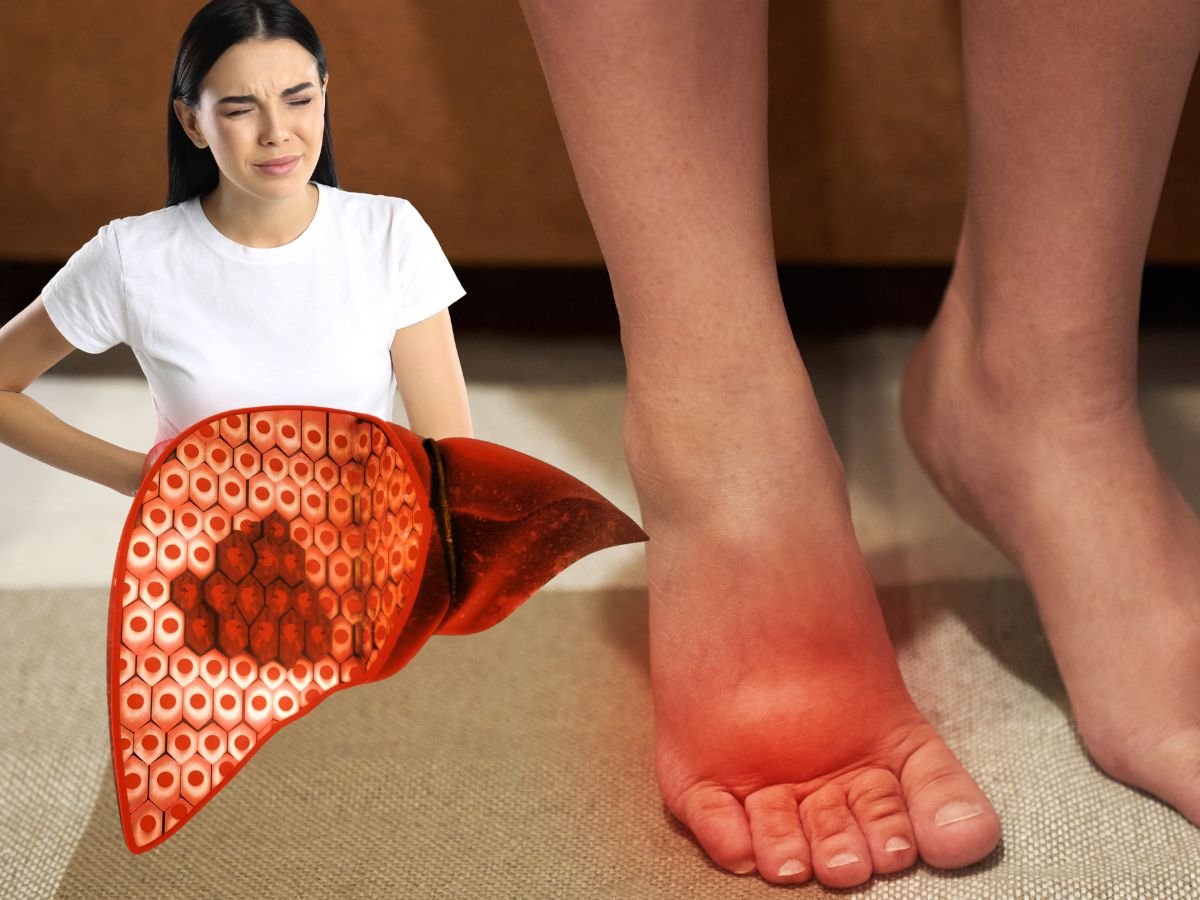
New Delhi, 30 April 2025: The liver is one of the largest organs in the body. It plays one of the most vital roles in keeping the system clean by flushing out waste and unncessary nutrients via urine. From detoxifying harmful substances to producing essential proteins and aiding in digestion – The liver does it all. Which is why it is important to keep the organ safe and healthy.
Liver Damage Symptoms You Should Never Ignore
When the liver is damaged, it can lead to a range of health issues that, if left untreated, could have serious consequences. Since the liver has an incredible ability to regenerate, many liver conditions often go unnoticed in the early stages. However, there are key warning signs that should never be ignored. In this article, let”s take a quick look at the 7 warning signs of liver damage that you should never ignore:
- Jaundice (Yellowing of the Skin and Eyes): One of the most common and obvious signs of liver damage is jaundice, a serious health condition which causes the skin and the whites of the eyes to turn yellow. Jaundice occurs when the liver is no longer able to process bilirubin, a byproduct of red blood cell breakdown. When bilirubin builds up in the bloodstream, it causes this yellowish tint to the skin and eyes. Jaundice is often a sign of more severe liver issues, including cirrhosis or hepatitis. If you notice these symptoms, it is important to consult with a healthcare professional immediately, as jaundice often signals significant liver dysfunction.
- Abdominal Pain and Swelling: Pain or discomfort in the upper right side of the abdomen is a common warning sign of liver damage. This could indicate inflammation or swelling in the liver, which is often associated with conditions such as hepatitis, fatty liver disease, or liver cirrhosis. The pain might be dull or sharp and can worsen with eating or physical activity. Additionally, liver damage can lead to fluid retention in the abdomen, a condition known as ascites. Ascites causes the abdomen to swell, and the skin over the abdomen may become tight and shiny. If you experience persistent pain or swelling in your abdomen, it’s crucial to get checked by a doctor.
- Chronic Fatigue and Weakness: Fatigue is a common symptom of liver disease that often goes unrecognized. A damaged liver can interfere with the body’s ability to produce energy, leading to a constant feeling of tiredness and weakness. This fatigue may persist even after adequate rest and can worsen over time. The liver plays a crucial role in metabolizing nutrients, and when it’s compromised, the body may not receive the energy it needs to function optimally. If you find yourself feeling unusually fatigued or weak, especially in combination with other symptoms, it’s important to seek medical attention.
- Nausea and Vomiting: Frequent nausea and vomiting without an obvious cause may be indicative of liver damage. As the liver becomes damaged, its ability to process toxins and waste products decreases, leading to a buildup of these substances in the body. This can trigger nausea and the urge to vomit. Additionally, liver diseases such as cirrhosis can cause the body to develop gastrointestinal symptoms like nausea, bloating, and loss of appetite. If you experience persistent nausea, vomiting, or an unexplained loss of appetite, it may be a sign that your liver is not functioning properly.
- Changes in Urine and Stool Color: Liver damage can affect the color and consistency of both urine and stool. Dark-colored urine, resembling the color of tea or cola, can indicate liver problems. This may happen when the liver is unable to process and eliminate bilirubin properly, causing it to be excreted through the urine instead of the stool. On the other hand, pale or clay-colored stools may suggest that bile production is impaired due to liver dysfunction. Bile is responsible for giving stools their normal brown color, and when the liver is damaged, bile secretion is reduced. If you notice significant changes in the color of your urine or stool, it’s important to seek medical advice as this could be a warning sign of liver disease.
- Itchy Skin: Skin irritation or itchy skin, also known as pruritus, can occur when bile salts accumulate in the skin due to liver dysfunction. The liver is responsible for producing bile, which helps with digestion and the removal of waste products. When the liver is damaged, bile may not flow properly, leading to an excess buildup of bile salts in the bloodstream. This can cause intense itching, which is often most noticeable on the palms of the hands and the soles of the feet. The itching may come and go or be persistent. If you are experiencing unexplained itching along with other signs of liver damage, it’s essential to consult a doctor as soon as possible.
- Bleeding and Bruising Easily: The liver produces several clotting factors that help the blood to clot and stop bleeding. When the liver is damaged, its ability to produce these clotting factors diminishes, leading to an increased risk of bleeding and bruising. You may notice that you bruise easily, or you may experience frequent nosebleeds or bleeding gums. Even minor cuts or injuries may take longer to stop bleeding. If you notice excessive bruising, frequent bleeding, or prolonged healing, it could be a sign that your liver is no longer functioning properly.
The liver is a vital organ, and its health is essential to maintaining overall well-being. If you experience any of these seven warning signs, it’s crucial to seek medical attention immediately.
Remember – Early detection of liver damage can help prevent further complications and improve treatment outcomes.
Speaking to TheHealthWire, Dr Pratibha Patel, Genesis, Mumbai, said – “By being mindful of the signs and taking proactive steps toward maintaining liver health, you can reduce the risk of serious liver conditions and live a healthier life. Lifestyle choices such as maintaining a balanced diet, limiting alcohol consumption, exercising regularly, and avoiding the use of harmful substances are key to supporting liver health. Always consult with your healthcare provider if you suspect any issues with your liver, and never ignore persistent symptoms that could indicate a problem.”















Leave a comment