Home Latest News Gastrointestinal Issues May Increase Parkinson’s Disease Risk by 76%, New Study Reveals
Latest News

Gastrointestinal Issues May Increase Parkinson’s Disease Risk by 76%, New Study Reveals

Share
Share

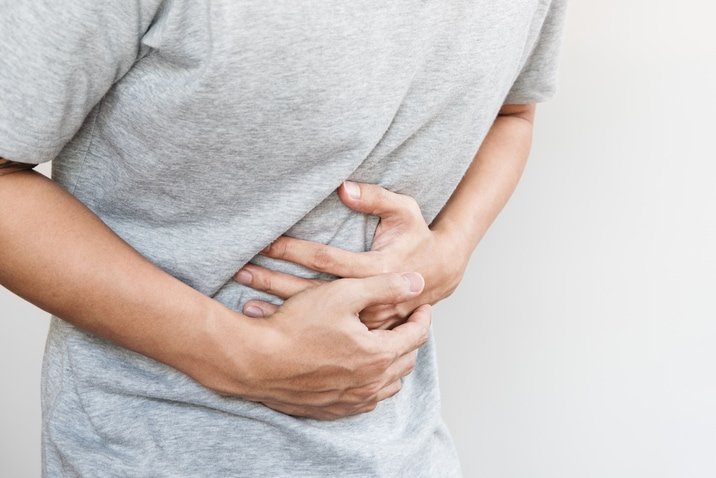
According to a recent study, having digestive problems like ulcers in the food pipe or stomach may increase the risk of developing Parkinson’s disease by 76%. The researchers analyzed the medical records of 9,350 patients, focusing on those with upper gastrointestinal issues. These include ulcers or damage to the lining of the oesophagus, stomach, or upper part of the small intestine. They discovered that people with these conditions were significantly more likely to develop Parkinson’s later in life.

How Digestive Issues and Parkinson’s Connect?

Published in the *Journal of the American Medical Association Network Open*, the study adds to growing evidence suggesting that some diseases related to aging or neurodegeneration, like Parkinson’s, might start in the gut, not the brain. Researchers from Beth Israel Deaconess Medical Center in the U.S. pointed out that digestive issues, such as constipation or trouble swallowing, often show up decades before the typical symptoms of Parkinson’s like tremors and stiffness. These early signs could offer important clues for diagnosis.

The Role of Dopamine and Alpha-Synuclein

The study also highlighted possible biological links between gut health and Parkinson’s disease. One key factor may be the brain chemical dopamine, which helps control digestion. The researchers suggested that problems with dopamine regulation might increase the risk of Parkinson’s. Additionally, they believe that gastrointestinal problems could lead to the buildup of a protein called alpha-synuclein, which is commonly found in the brains of people with Parkinson’s.

Future research may further explore how gut health and Parkinson’s disease are connected, potentially leading to earlier detection and better treatment strategies.


Share

Leave a comment

Leave a Reply

Your email address will not be published. Required fields are marked *

Don't Miss

Heart Failure After Childbirth: 7 Warning Signs Of Postpartum Cardiomyopathy
Obstetrics & Gynecology

Heart Failure After Childbirth: 7 Warning Signs Of Postpartum Cardiomyopathy New Mothers Should Never Ignore

The weeks after childbirth are often associated with exhaustion, disturbed sleep, physical discomfort and the demands of caring for a newborn. However, certain...

Signs of Stroke You Should Never Ignore
Health NewsNeurology

Stroke Treatment Window Extended? How Clot Removal May Help Patients Up To 72 Hours After A Stroke

Could a patient who reaches the hospital two or even three days after a stroke still benefit from a procedure to remove the...

What Happens To Your Heart Health When You Stop Taking GLP-1 Drugs?
Health NewsLifestyle

What Happens To Your Heart Health When You Stop Taking GLP-1 Weight-Loss Drugs? New Study Explains

GLP-1 medications have gained considerable attention for their ability to help people lose weight, manage type 2 diabetes and improve cardiovascular health. Drugs...

ENT

Can Myopia Lead To Permanent Vision Loss? Doctors Explain The Risks Of High Myopia

Myopia, commonly known as nearsightedness or short-sightedness, is often considered a routine vision problem that can be corrected with spectacles or contact lenses....

The Hidden Issue: Magnesium Deficiency.
Lifestyle & Wellness

Magnesium Deficiency In Women: All You Need To Know About The Warning Signs

Magnesium Deficiency in Women: What You Must Know About the Warning Signs.

Section title

Related Articles
Latest NewsWHO

WHO Releases First-Ever Guidelines For Type 1 Diabetes In Adults: 5 Key Recommendations Explained

The World Health Organization (WHO) has issued its first-ever guidelines for the...

Health NewsLatest NewsLifestyle

7 Simple Ways to Protect Yourself from Air Pollution

Air pollution has become a major health concern today. Dust from construction...