

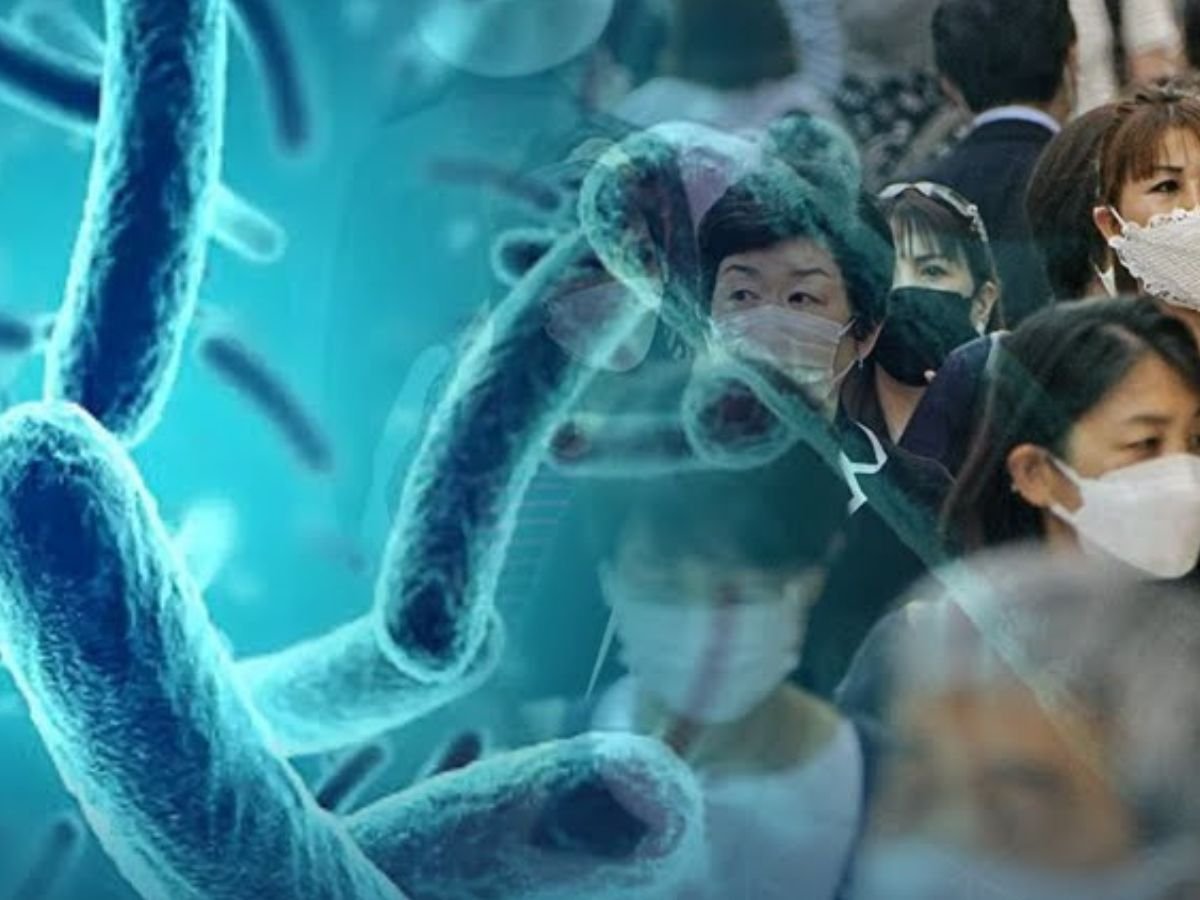
New Delhi, 30 August 2025: A recent outbreak of a rare but deadly bacterial infection linked to raw oysters has claimed two lives, prompting health officials to issue warnings across coastal regions. The bacteria, known as Vibrio vulnificus, is a naturally occurring microorganism in warm, brackish coastal waters—and it’s known for causing rapidly spreading infections, sometimes with fatal consequences.
As climate change increases ocean temperatures, cases of this flesh-eating bacteria have become more frequent, putting both seafood lovers and beachgoers at higher risk.
What Is Vibrio Vulnificus?
Vibrio vulnificus is a type of bacteria found in warm seawater, particularly during the summer months. It can infect humans in two primary ways:
- Ingestion – Eating contaminated raw or undercooked seafood, especially oysters.
- Open wounds – Exposing cuts or abrasions to salt or brackish water where the bacteria live.
Though Vibrio vulnificus infections are relatively rare, they can be extremely aggressive. In severe cases, the bacteria can cause necrotizing fasciitis, a condition that rapidly destroys tissue and can lead to amputation or death.
How Did the Outbreak Happen?
According to health authorities, the recent outbreak is tied to the consumption of raw oysters harvested from warm coastal waters. Two individuals reportedly died after eating contaminated oysters, and others have fallen seriously ill.
The bacteria are not limited to oysters alone. Any raw or undercooked shellfish exposed to these waters may be at risk. Infections can also occur when people swim or wade in infected water with open cuts or wounds.
Who Is Most at Risk?
While anyone can be affected, certain groups are more vulnerable to severe illness:
- People with weakened immune systems
- Individuals with chronic liver disease
- Those with diabetes
- Elderly individuals
- People undergoing immunosuppressive therapy
In these populations, the infection can spread quickly, often requiring hospitalization and, in some cases, emergency surgery.
Recognizing Symptoms Early
Prompt recognition of Vibrio infection is crucial. Symptoms typically appear within 24 to 48 hours of exposure and may include:
- Nausea, vomiting, and diarrhea
- Abdominal pain
- Chills and fever
- Skin blisters or discoloration (in wound infections)
- Sudden swelling or redness at the site of infection
- Low blood pressure and septic shock in advanced stages
Because the infection can progress so quickly, any unusual symptoms following seafood consumption or water exposure should prompt immediate medical attention.
Treatment Options
If diagnosed early, Vibrio infections can often be treated with antibiotics. In severe cases, surgery may be necessary to remove infected tissue. The CDC notes that about 1 in 5 people with this infection die, sometimes within a day or two after symptoms begin.
How to Protect Yourself
Public health experts recommend several precautions:
1. Avoid Raw Shellfish
Cook oysters and other shellfish thoroughly. High heat kills Vibrio bacteria, making the seafood safe to eat.
2. Protect Open Wounds
If you have cuts, scrapes, or fresh tattoos, avoid entering warm salt or brackish waters. Use waterproof bandages or stay out of the water entirely.
3. Practice Safe Food Handling
Prevent cross-contamination in your kitchen. Use separate utensils and cutting boards for raw seafood, and wash hands thoroughly after handling.
4. Refrigerate Promptly
Store seafood at proper temperatures. Vibrio can multiply rapidly if seafood is left unrefrigerated.
5. Know Your Risk
If you’re immunocompromised or have liver disease, avoid eating raw shellfish altogether.
Broader Implications
This outbreak highlights a concerning trend. Due to rising sea temperatures, Vibrio bacteria are spreading to regions previously unaffected, including the U.S. East Coast and parts of Europe. Health experts warn that climate change could make such outbreaks more frequent and more dangerous.
Seafood safety, particularly during summer, has become a growing concern. Restaurants and retailers are being advised to source seafood from certified, tested waters and follow strict storage protocols.
While raw oysters may be a delicacy for many, they carry serious risks that shouldn’t be overlooked—especially for vulnerable individuals. With the tragic deaths in this recent outbreak, experts urge the public to take food safety seriously and be aware of early symptoms that could signal a life-threatening infection.

















Leave a comment